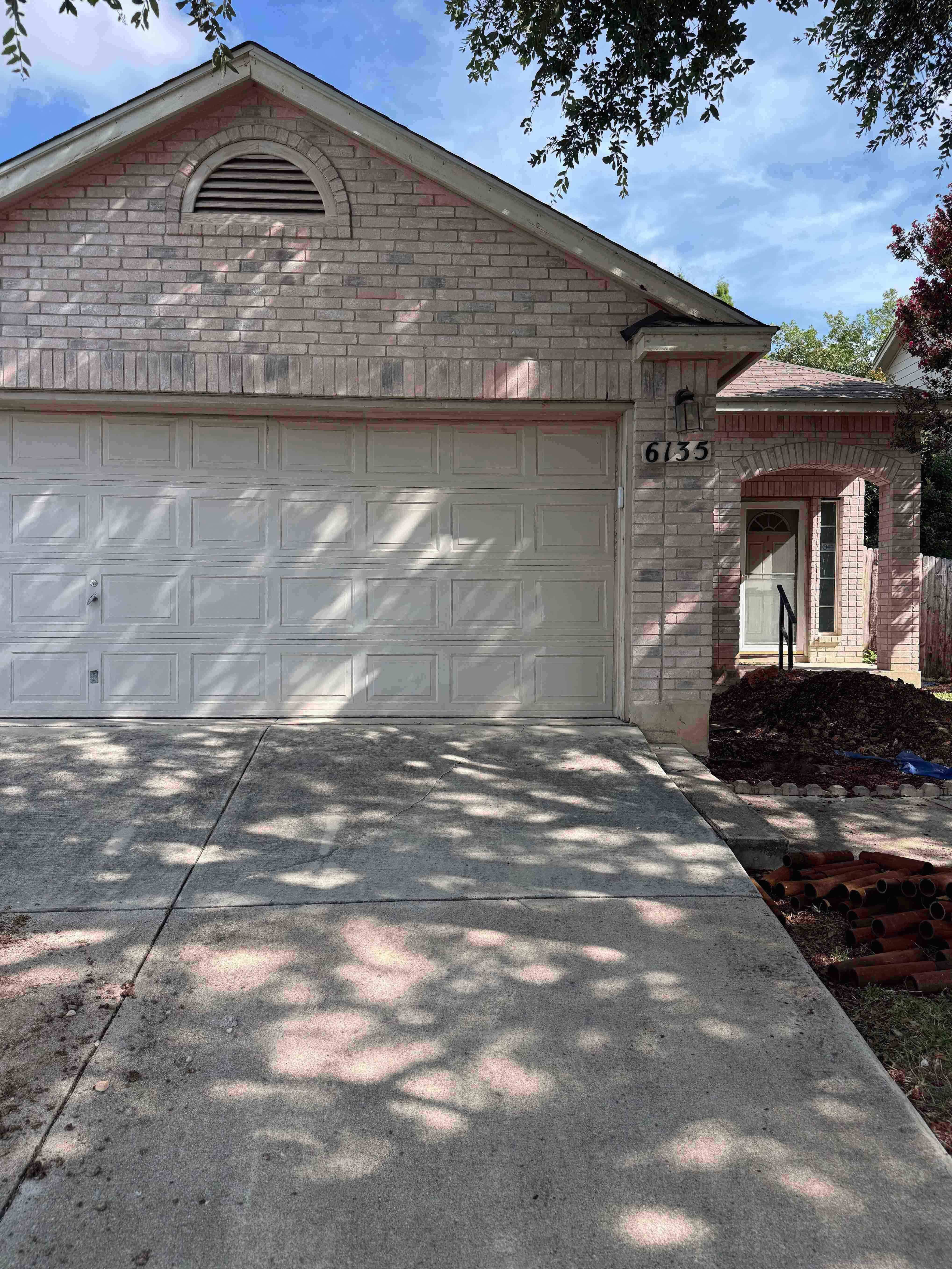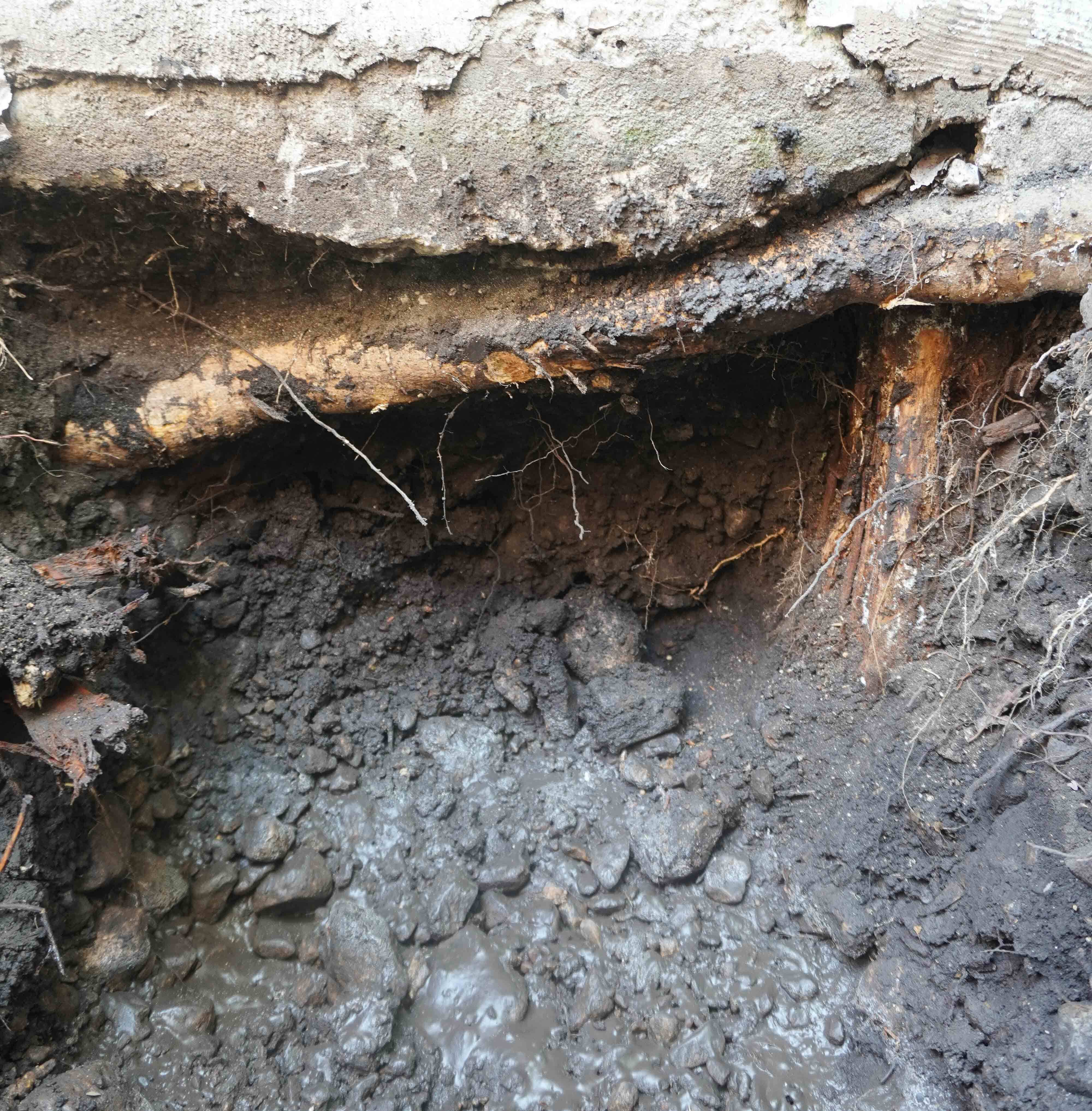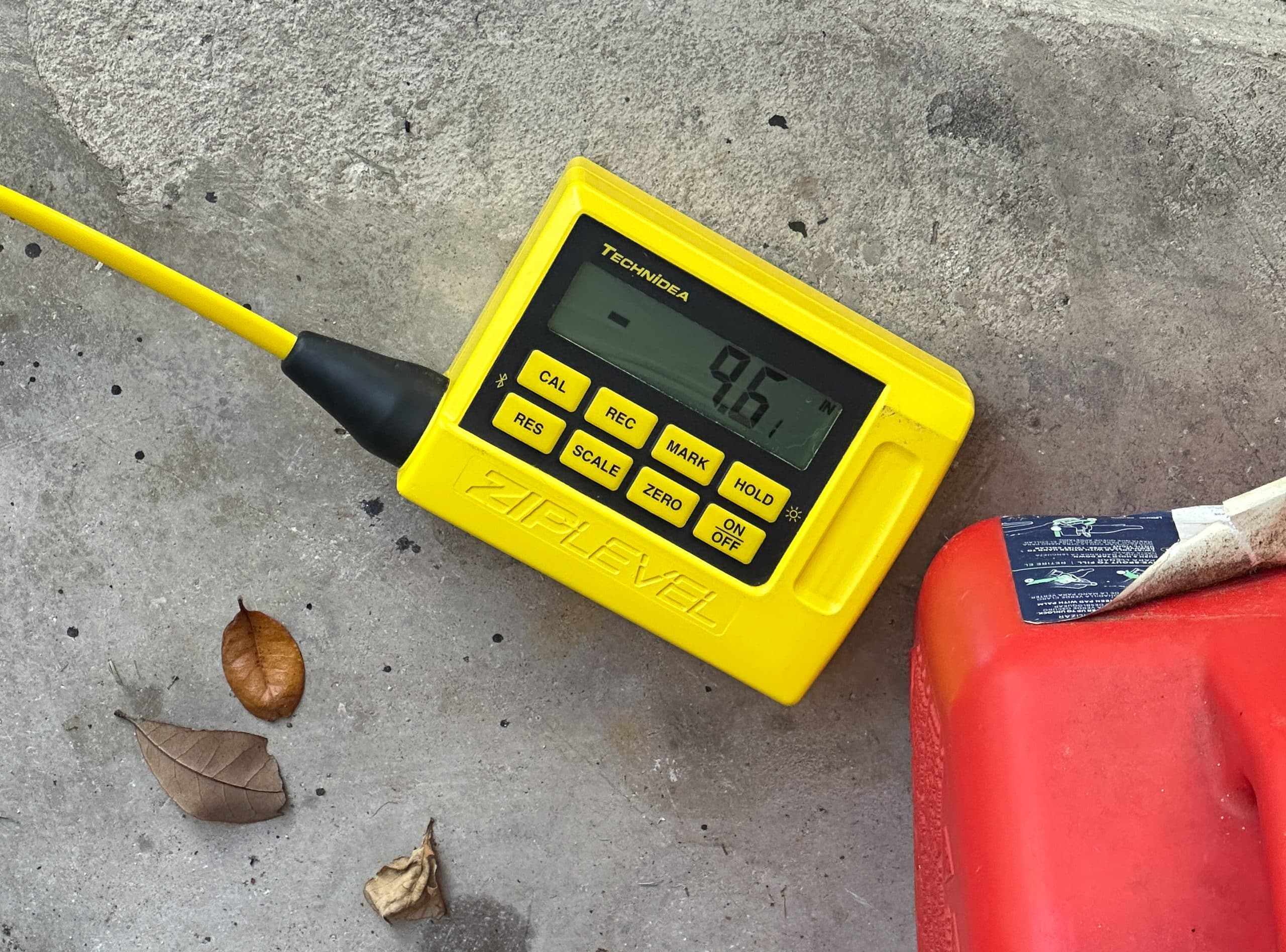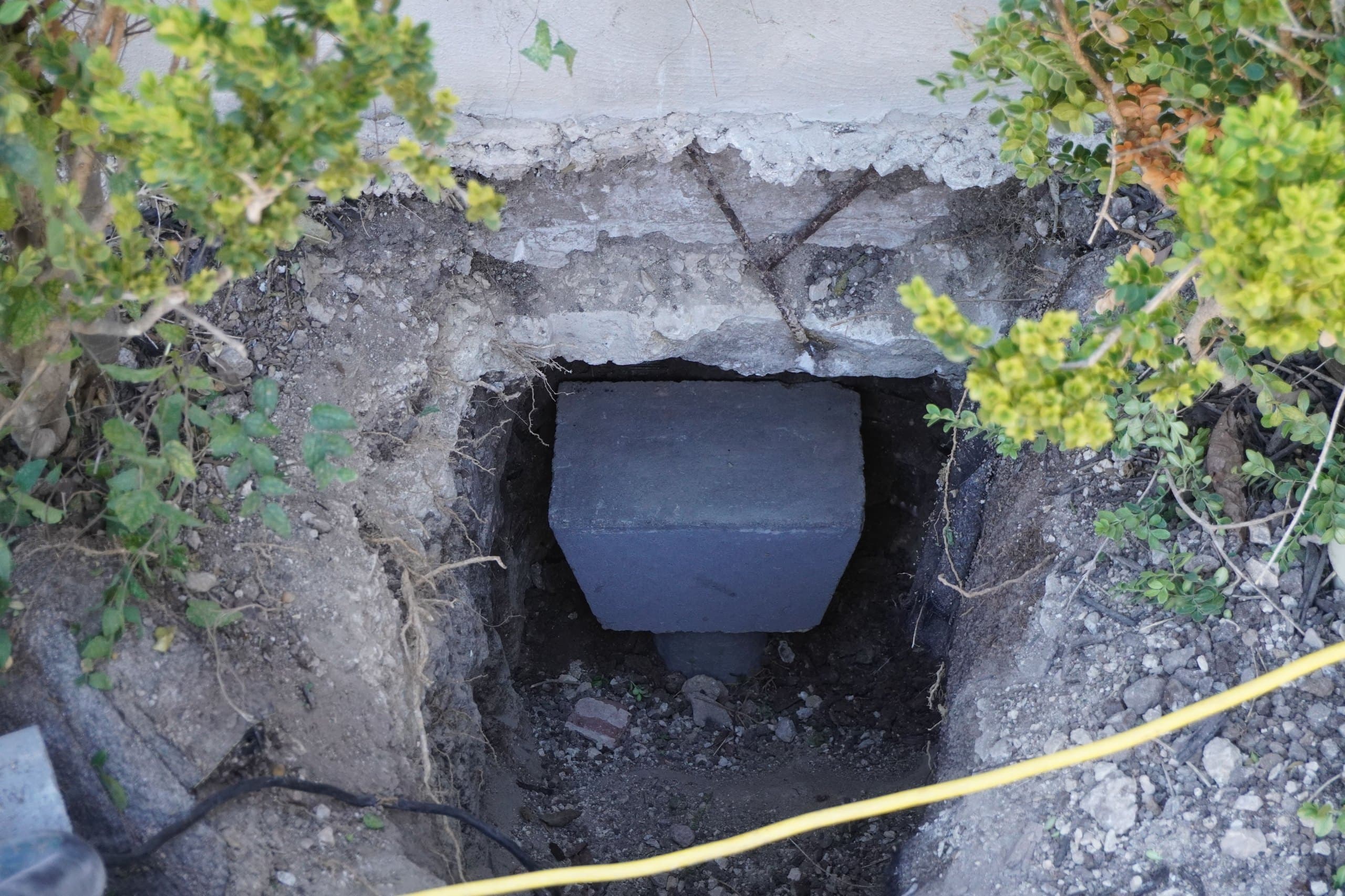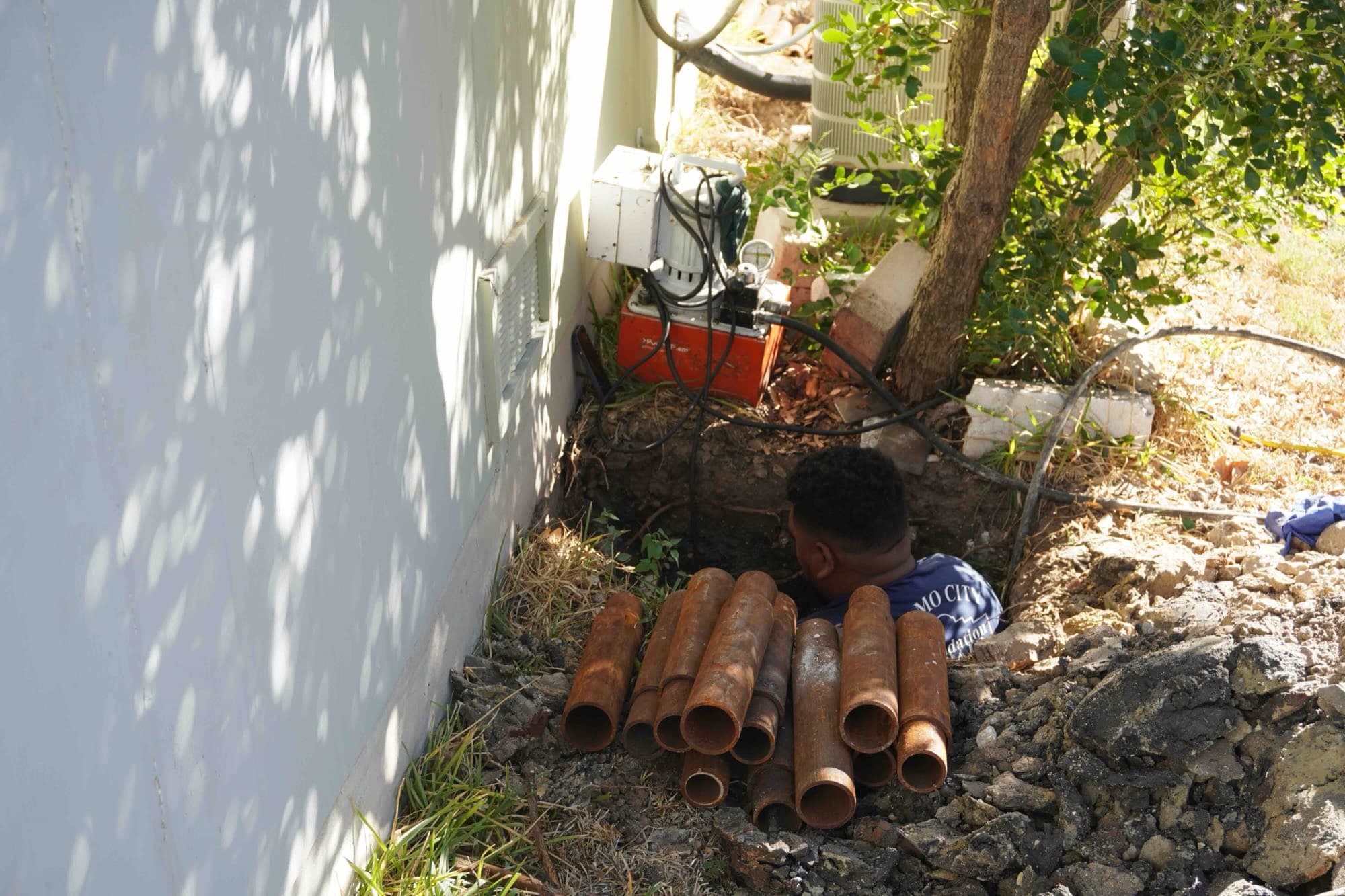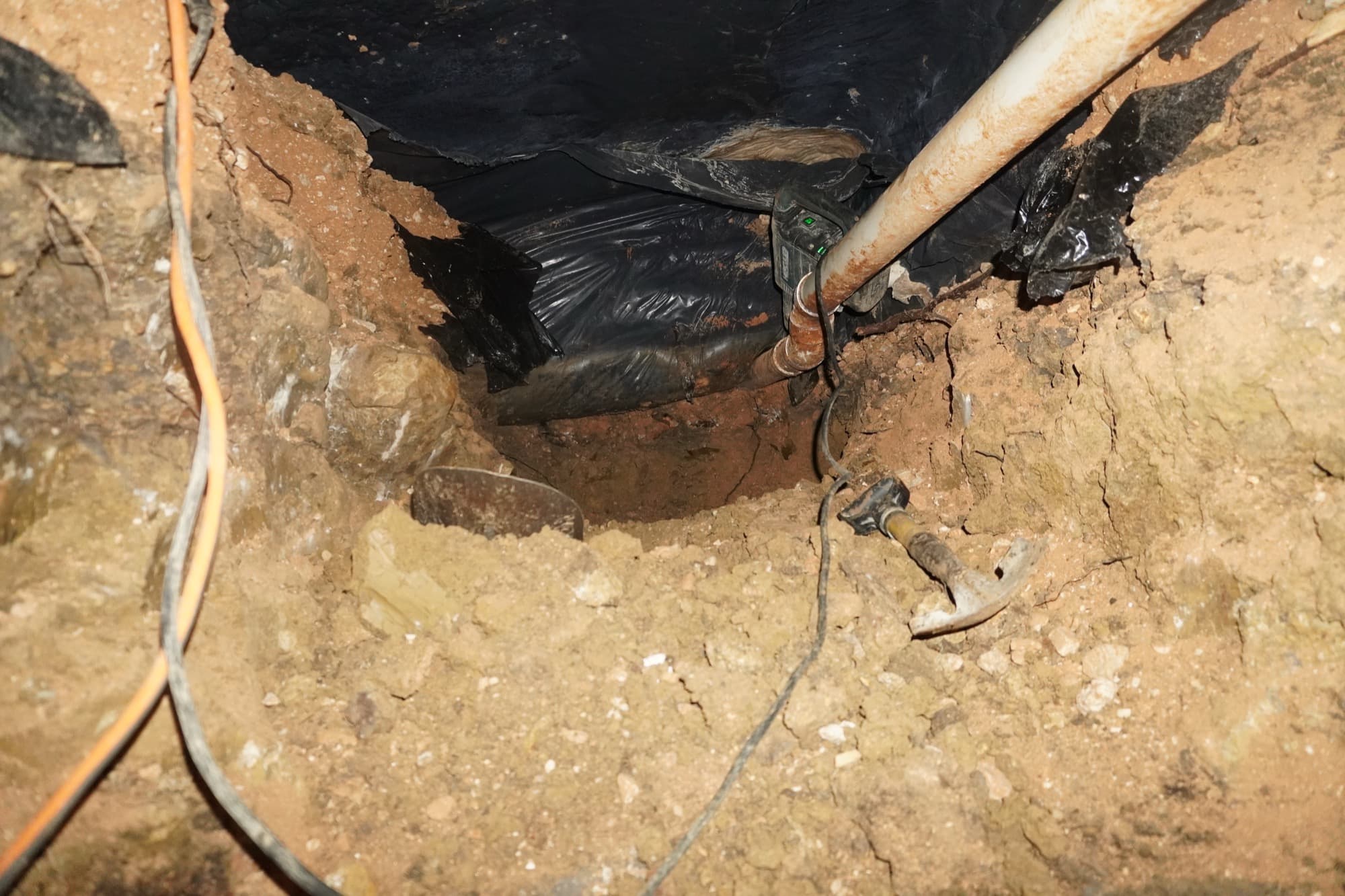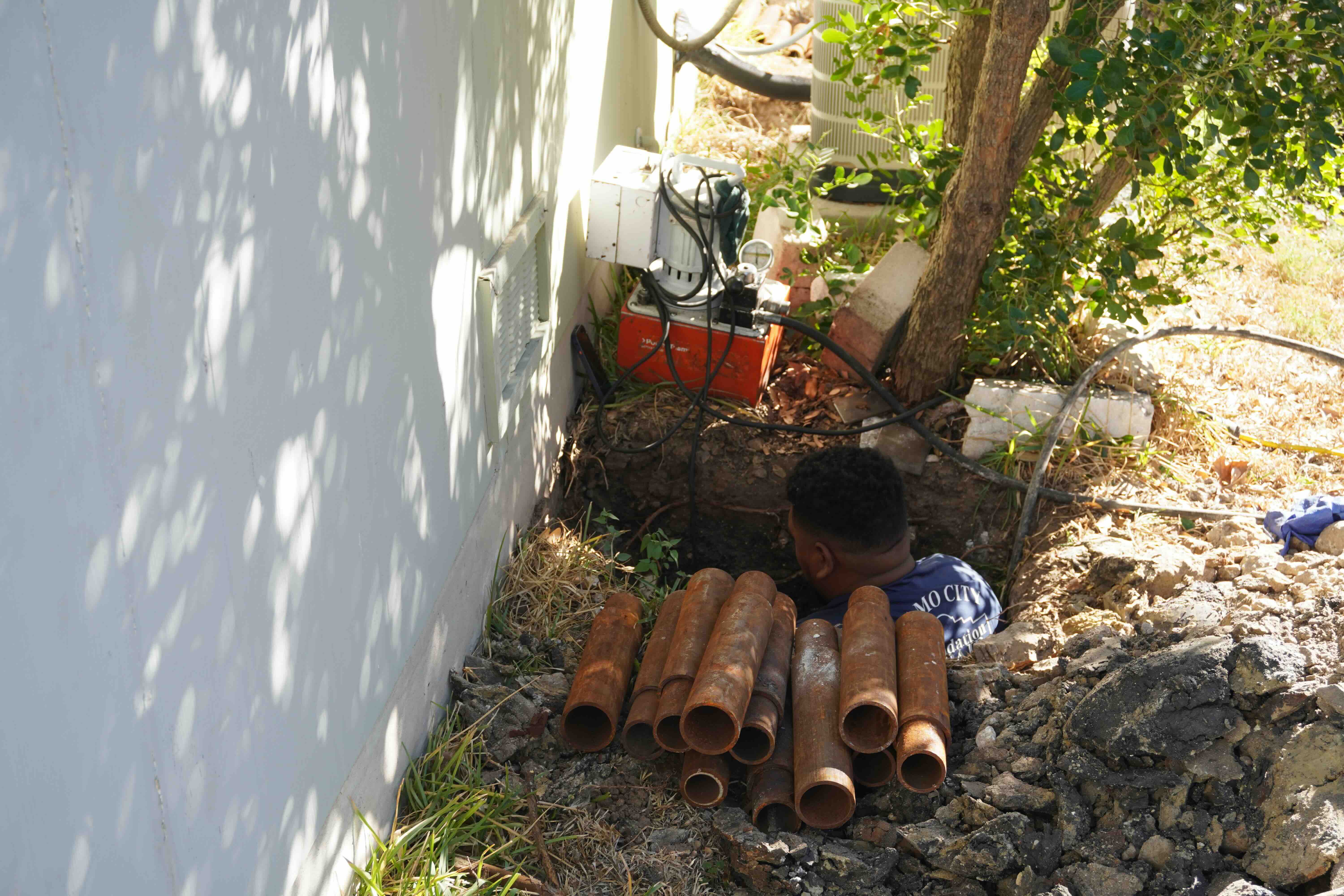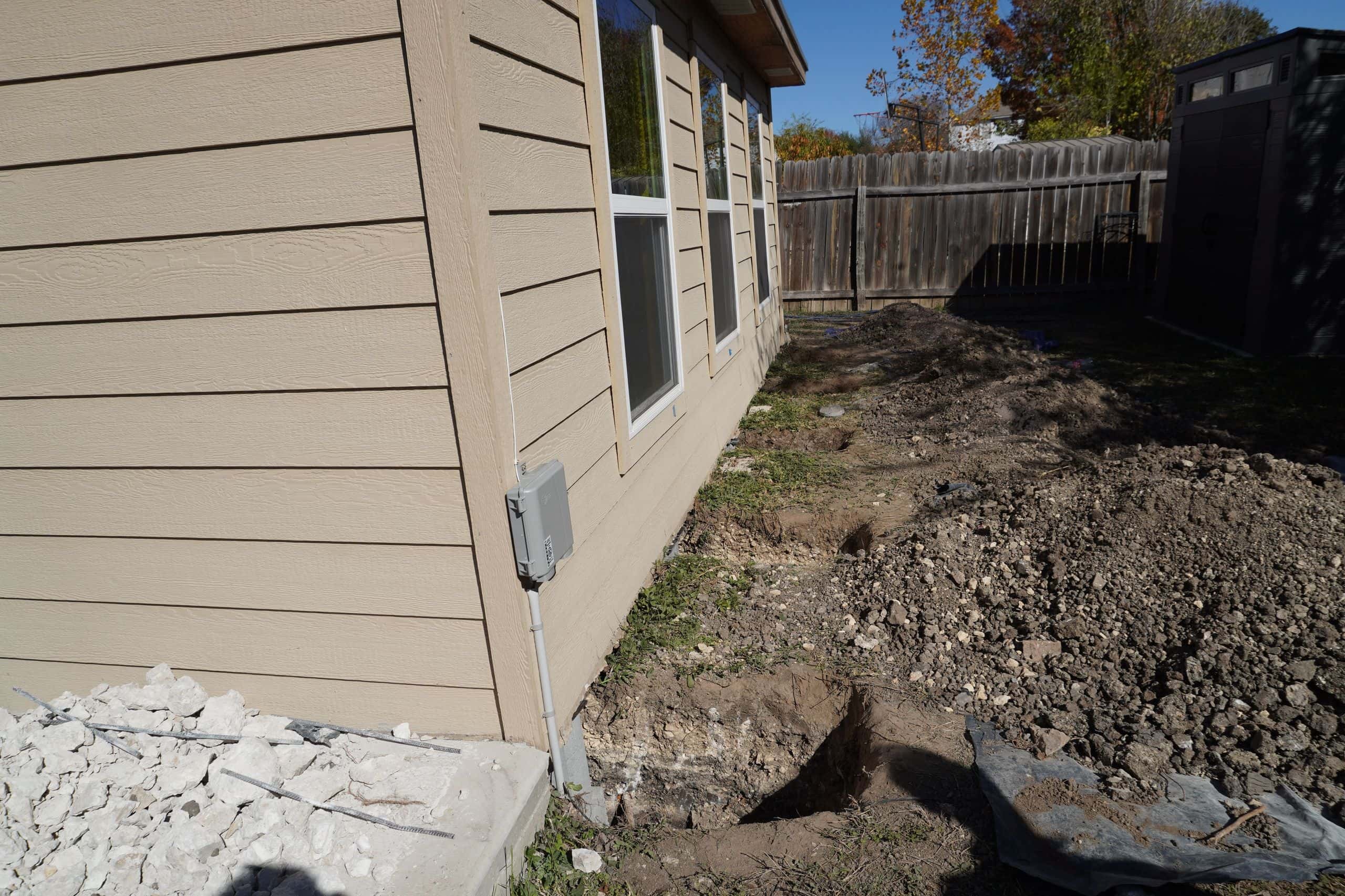

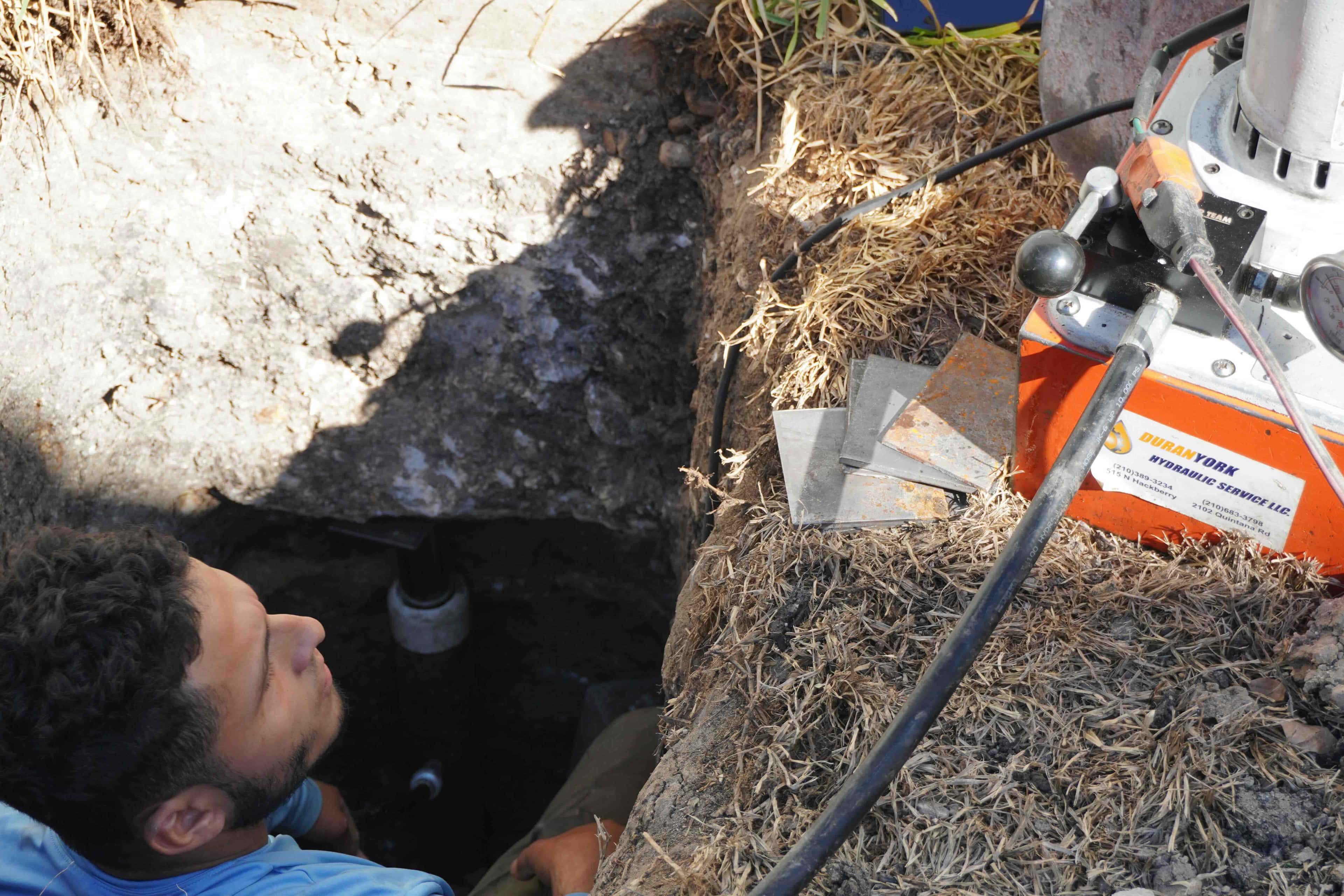
A concrete slab foundation is a solid solution for most homes, especially in San Antonio. 

When done right. Because, if not built appropriately, even the slightest exposed edge can lead to foundation issues later on. And that includes water damage to the slab edge. 

Slab-edge water damage happens when water repeatedly soaks the narrow band of concrete around the outside of your foundation. That’s the strip where your slab meets soil, patios, or driveways. In Texas clay-soil neighbourhoods, that band is a busy zone: rain, sprinklers, and runoff all tend to collect there. 

Over time, that extra moisture can move into brick, framing, and finishes and, in some cases, contribute to localised foundation movement. Read on to learn more about how catching the problem early usually means simple drainage fixes instead of structural work and interior repairs later. 

What The Slab Edge Actually Is

On a typical Texas slab-on-grade home, the slab edge is:

  • The vertical face of the foundation around the perimeter of your home
  • The few inches of concrete just above and just below the soil or paving.
  • The zone where the slab, exterior wall, and surrounding soil, patio, or driveway all meet.

That edge is often partly hidden by soil, mulch, or landscaping. Because it sits right at ground level, it gets hit by:

  • Rain splashing off the roof.
  • Water running off driveways, patios, and walks.
  • Irrigation overspray and hose water.
  • Air conditioner condensate lines.

Any time water sits against that edge instead of draining away, it has a chance to soak in, wick along the concrete, and spread into nearby materials.

How Slab-Edge Moisture Differs From A Basement Leak

Basement problems are usually about water pressure pushing through walls and floors from below grade. Slab-edge issues are shallower and more local:

  • Water sits or runs along the top few inches of the slab.
  • It seeps into pores, hairline cracks, and joints in that band.
  • It can wick upward into masonry, framing, and interior finishes.

That’s why products designed only for interior basement sealing rarely solve a perimeter slab issue. Around a slab edge, your best defence is simple: keep water away from that concrete band in the first place and have a qualified local contractor take a closer look at any stubborn wet or stained areas.

Why Slab-Edge Water Damage Isn’t Just Cosmetic

Concrete, mortar, and brick are porous. They behave a bit like very hard sponges. Through capillary action, water can:

  • Travel sideways and upward from a damp edge.
  • Feed mould at the base of walls.
  • Raise humidity in carpets and baseboards.
  • Soften or rot wood plates and trim.

That’s why you can have “just a damp strip outside” and still end up with musty odours, peeling paint, or warped flooring inside. The slab edge is a critical moisture zone. Once you see it that way, it becomes easier to take practical steps to protect it and to know when it is time to let a foundation or drainage specialist confirm what you are seeing.

Slab-Edge Water Damage: Causes, Signs & Prevention

How Does Slab-Edge Water Damage Develop Over Time?

Slab-edge moisture usually doesn’t start as a dramatic failure. It creeps in through stages: occasional damp concrete, repeated wetting that begins to wick into walls and floors, visible damage to finishes, and finally longer-term structural or air-quality issues. 

If you catch the problem in the first two stages and change how water behaves at the perimeter, you can often avoid the costlier structural and indoor repairs that show up later.

Thinking in stages helps you decide when simple maintenance is enough and when it is time to schedule a professional foundation and drainage assessment.

Stage 1: Occasional Dampness and Staining

Stage 1 is when the concrete gets wet and stained but hasn’t yet started to damage interior finishes.

You might notice:

  • The concrete along one side of the house stays dark longer after rain.
  • A faint “tide line” or dirty band appears at the bottom of the brick or siding.
  • Soil right up against the foundation feels wetter than the rest of the yard.

If conditions dry out completely between storms and the soil slopes away from the home, this may not be serious yet. When that area never really dries, it is an early sign that water is lingering where it shouldn’t, and a good time to correct obvious drainage and irrigation issues.

Stage 2: Repeated Wetting and Hidden Wicking

Stage 2 is when moisture starts moving into materials, not just wetting the surface.

With repeated storms, irrigation, or overflows:

  • Water finds tiny pores and cracks along the slab edge.
  • It begins to wick into the slab and up into masonry or wall materials.
  • Salts in the water move with it and later show up as white, chalky residue (efflorescence).

From the outside, you may see:

  • A persistent damp band that never fully lightens.
  • White crusts or streaks on concrete or brick.
  • Slight darkening of mortar joints.

Inside, you may notice:

  • Baseboards along that wall feel cool or slightly damp.
  • Carpet edges near exterior walls occasionally feel clammy.
  • A musty smell after heavy rain that seems to live along one side of the house.

This is the point where adjusting drainage and irrigation becomes urgent. It is also a smart time to ask a local foundation or drainage specialist to confirm what the patterns mean for your home and soil.

Stage 3: Damage To Finishes And Materials

Stage 3 is when moisture cycles are long and strong enough to damage finishes.

As moisture keeps cycling through that edge band, it starts to affect interior materials:

  • Wood or laminate flooring near exterior walls bends or buckles.
  • Vinyl tiles or planks lift, bubble, or lose adhesion.
  • Paint at the base of walls blisters or peels.
  • MDF or softwood baseboards swell, crumble, or discolour.

Simply replacing flooring or repainting may hide the symptom but not the source. Unless the perimeter moisture pattern is corrected, new finishes tend to fail in the same spots again. 

At this stage, a professional evaluation that looks at water, soil, and structure together is often the most cost-effective next step.

Stage 4: Structural and Air-Quality Impacts

Stage 4 is when long-term moisture around the perimeter starts to affect the structure and air quality.

Over longer periods, chronic perimeter moisture can contribute to:

  • Corrosion of reinforcing steel near the slab edge.
  • Deterioration of some types of concrete or mortar.
  • Localised rot in wall plates or framing.
  • Persistent mould growth behind baseboards and in wall cavities.

You may also start to see hints of movement: small cracks opening near corners, doors on that side sticking more often, or tile cracks that line up with wet areas outside. 

A qualified foundation contractor can use elevation readings, interior observations, and exterior clues to help you decide whether you are still in “monitor and maintain” territory or whether repairs should move higher on your list.

Why Are Texas Clay Soils and Slab-On-Grade Homes so Vulnerable?

In much of Texas, slab-on-grade homes sit on expansive clay that swells when wet and shrinks when dry. When water lingers at the slab edge while the centre stays relatively stable, the concrete can lift or settle along the perimeter. The same moisture that might only stain concrete in other regions can, on Texas clays, add stress to your slab and walls.

If you live on these soils, understanding how clay, water, and concrete work together is one of the smartest ways to protect your home and budget.

How Expansive Clay Behaves Under Your Foundation

Many Texas soils are “expansive clays”, meaning soils that change volume significantly as moisture levels change.

Season after season, they:

  • Swell when they take on water.
  • Shrink and crack when they dry out.
  • Repeat this cycle with every major weather swing.

If the soil along the outside of the foundation gets much wetter or drier than the soil under the centre of the slab, you can get:

  • Edge lift: the perimeter rises when clay swells.
  • Edge drop: the perimeter settles when the clay shrinks back.

Even small movements, repeated over time, can transfer stress into your slab, walls, and finishes. That is why a “harmless” wet strip at the edge matters more in Texas than it might elsewhere.

Everyday Habits That Drive Uneven Moisture

Around a typical home on expansive clay, uneven moisture often comes from simple, everyday patterns:

  • Downspouts dumping water right at a corner or low spot.
  • Soil grading that slopes toward the house instead of away.
  • Sprinklers aimed at the slab and foundation instead of just at plants.
  • Soaker hoses run directly along the foundation line.
  • AC condensate lines dripping close to the concrete band at ground level.

These patterns keep certain parts of the perimeter wetter for longer, especially after big storms or during “water everything” summer habits. A foundation specialist who works in your area every day sees the same mistakes repeated across many similar homes and can show you which quick changes matter most for your lot.

Why Droughts Don’t Always Give Your Slab A Break

It is easy to assume that long dry spells are good for the foundation. In expansive clay, the story is more complicated.

In dry weather:

  • Clay can shrink and pull away from the slab, leaving gaps.
  • Those gaps create space for sudden, deep wetting when heavy rain returns.
  • Clay then swells rapidly, pressing against the slab edge.

That shrink–swell swing is tough on concrete and framing. What your foundation really wants is reasonably consistent moisture conditions around the perimeter, not months of bone-dry soil followed by a week of standing water.

Why This Matters for Resale, Lending, and Insurance

In clay-soil areas, foundation performance is a major factor in:

  • Insurance conversations and coverage decisions.
  • Appraisals and lending requirements.
  • Buyer confidence and negotiation.

If you understand how water and soil interact at your foundation edge, you are better prepared to:

  • Read and question inspection reports.
  • Understand what different repair bids are really addressing.
  • Choose preventive drainage and maintenance instead of reacting under pressure during a sale.

If you plan to stay in the home, this knowledge helps you prioritise projects. If you plan to sell, it helps you avoid last-minute surprises and frantic decisions.

What Early Exterior Warning Signs Should You Look For Around the Slab Edge?

A slow walk around the house after a dry spell is one of the simplest ways to protect your slab. You will be looking for several clues, and seeing one of these once is a nudge. 

Seeing several together, especially along the same wall, is a strong signal to look more closely or have a local foundation contractor confirm what you are seeing.

What To Look For At The Concrete And Walls

As you walk the perimeter, pay attention to this short list of clues:

  • Damp or dark concrete along the slab edge when the rest of the driveway or walk is dry.
  • White, powdery or crusty deposits on concrete or brick near the ground.
  • Horizontal stain lines on brick or siding a few inches above grade.
  • Hairline cracks in the exposed slab edge, especially where water tends to collect.

These are often the first visible signs that water is lingering and moving through materials along that narrow band. A contractor who assesses foundations in your area every day can compare what you are seeing with dozens of similar homes nearby and tell you whether it looks typical or needs attention.

To help you triage what you see, this simple table can guide your next steps:

Sign What it often means How soon to act
Damp slab edge that stays dark Water is lingering against the foundation Adjust drainage and watch the area over the next few weeks
White, crusty deposits (efflorescence) Moisture has been moving through the concrete or brick Plan drainage and grading improvements in the near term 
Soil or mulch touching brick or siding Wall base is staying wetter than it should Lower soil or mulch and re-check within a few days of rain
Ponding water near walls Grade or hardscape is trapping runoff Address grading or add drainage as soon as practical; ask a pro if it is hard to redirect 
Hairline cracks at low wet spots Local stress where water and soil movement meet Combine crack monitoring with perimeter drainage fixes over the coming months 

Even basic adjustments, like moving water with extensions, lowering soil at the wall, can make these signs fade instead of grow. If you see several of them along the same wall, a visit from a foundation or drainage professional is a sensible next step.

What To Look For In Soil, Beds, and Hardscape

Next, look at how soil and landscaping meet the house:

  • Soil or mulch built up high against brick, siding, or stucco.
  • Garden beds that sit above the original slab edge and cover weep holes.
  • Plants packed tightly against the wall, holding moisture and hiding cracks.
  • Paving, patios, or walks that slope toward the home instead of away.

After a rain, note where water:

  • Pools near the house.
  • Runs as a mini-stream along the wall.
  • Drips from downspouts and splash blocks.

Take photos and notes. When you later talk to someone who understands both drainage and foundations, those pictures help them see patterns you might not have recognised.

Inspection-Report Clues You Should Not Ignore

If you have seen a home inspection report for your property, look for comments like:

  • “Negative grading toward structure.”
  • “High soil at cladding.”
  • “Evidence of efflorescence at slab edge.”
  • “No visible weep holes in brick veneer.”

These phrases often sound minor, but they describe exactly the conditions that feed slab-edge dampness and long-term movement.

 If you see the same language repeated across several homes in your subdivision, it is a sign that your local soil and drainage patterns deserve extra attention from a pro who works in that area every week.

Slab-Edge Water Damage: Causes, Signs & Prevention

What Interior and Structural Symptoms Point Back to Slab-Edge Moisture?

Inside the home, slab-edge moisture and movement usually show up first as a cluster of small annoyances, not dramatic failures. You might notice certain cracks, musty areas along exterior walls, or floors and doors that feel “off” on one side of the house.

It is normal to worry when you see new cracks or warped flooring. The real goal is to separate everyday ageing from the patterns that suggest a moisture problem tied back to the slab edge.

Cracks: Everyday Ageing Versus Warning Patterns

Not every crack is a crisis. In general:

  • Often normal:  
  • Very fine vertical cracks in drywall at seams.  
  • Small, stable cracks in ceiling joints.  
  • Hairline shrinkage cracks in concrete that do not change over time.  
  • Worth watching or checking:
    • Stair-step cracks in brick or block walls (cracks that follow the mortar joints in a zigzag pattern).  
    • Cracks above doors or windows that keep growing or spreading.  
    • Long diagonal cracks that line up with a damp or low spot outside.  

With cracks, behaviour over time is more important than any single snapshot. Stable cracks that have not changed in years are usually less worrying than new ones that open, lengthen, or shift.

If several “worth checking” cracks appear on the same side of the house where you see exterior moisture issues, the pattern is more important than any single crack.

Comfort and Air-Quality Clues You Should Note

Other interior signs linked to perimeter moisture include:

  • Musty odours along one side of the home, especially after rain.
  • Baseboards that look swollen, stained, or soft near the floor.
  • Carpet edges that feel damp or cool near exterior walls.
  • Flooring that cups, buckles, or lifts near sliding doors or exterior walls.

Any one of these by itself might be minor. Clusters of them, especially aligned with an outside wet area, suggest a moisture path from the edge of the foundation inward that a qualified contractor should evaluate. The goal is not to panic, but to understand whether you are dealing with a small, local issue or part of a broader pattern.

Movement That Points Back To The Perimeter

Movement-related hints include:

  • Doors that stick mainly on one side of the house.
  • Floors that feel slightly tilted as you walk toward an exterior wall.
  • Cabinets or built-ins pulling away from walls on one side.

Because finishes can hide what is happening at the slab, it helps to:

  • Open cabinets on exterior walls and check for staining or mustiness.
  • Look behind furniture occasionally along those walls.
  • Note whether problem doors line up with known wet or low areas outside.

When interior clues and outside wet spots line up, a professional visit can save you from guesswork. You gain a clear baseline for future comparisons and better information for prioritising work, whether that is drainage correction, monitoring, or structural repair.

How Do You Design a Dry Perimeter That Works in Texas Clay?

A “dry perimeter” is a simple goal: keep water away from your slab edge and keep soil moisture around the home as even as you reasonably can. In Texas clay, that usually means combining good grading, effective gutters and downspouts, smart irrigation, and landscaping that does not trap moisture at the wall.

Much of this is preventive work you can start yourself, with a foundation-aware drainage contractor confirming priorities and handling the heavier changes when needed.

A Simple Model: See → Source → Soil → Structure

Use this four-step lens when you look at your home:

  • See: What do you actually observe? Damp concrete, ponding, cracks, odours, and sticking doors.
  • Source: Where is the water coming from? Roof, hose, sprinklers, neighbour runoff, grade.
  • Soil: How is the soil responding? Staying soggy, shrinking away, heaving near the edge.
  • Structure: What is your home doing? Cracks, movement, finish failures, air-quality changes.


In short: s
ee the symptom, trace the water source, read the soil, then judge the impact on the structure. This simple sequence helps you stay calm and logical instead of jumping straight to worst-case assumptions.

The Basics Of Keeping Water Away From Your Slab

Most homes on expansive soils benefit from some combination of:

  • Correct grading: Soil sloping gently away from the foundation on all sides.
  • Gutters and downspouts: Sized for your roof, cleaned regularly, and not overflowing.
  • Downspout extensions or drains: Carrying water several feet away from the slab edge.
  • Thoughtful irrigation: Heads aimed at plants, not walls; run times tuned for clay, not sand.
  • Breathable wall base: Clear space between soil or mulch and cladding; open weep holes in brick.

Cleaning gutters, adding simple downspout extensions, and re-aiming sprinkler heads are often reasonable DIY projects. 

More involved grading changes and installing French drains or other buried drainage systems are usually best handled by a contractor who understands both drainage and foundations.

Prioritising Improvements When You’re On a Budget

If you cannot tackle everything at once, a common priority order is

  1. Extend or redirect downspouts and fix obvious gutter problems.
  2. Adjust sprinklers and irrigation schedules to stop soaking the walls and slab.
  3. Regrade obvious low spots that trap water against the house.
  4. Add or adjust drains (swales, French drains) where grading alone cannot solve it.
  5. Only then consider structural options if movement or damage remains.

This staged approach often reduces risk significantly before you spend on major work. It also gives a foundation specialist a clearer picture of what is left once water is better controlled.

Landscaping and Neighbourhood Context

Landscaping choices have a direct impact on slab-edge moisture. 

Keep in mind:

  • Keep shrubs, groundcovers, and beds a little off the wall so air can move and inspections are easy.
  • Avoid piling mulch or soil up the wall—maintain a gap between the grade and brick or siding.
  • Do not bury weep holes in brick veneer; they are there to let moisture escape.
  • Watch how water flows across neighbouring yards and streets; sometimes the solution involves coordinating with neighbours or adjusting how your lot receives runoff.

A contractor who works regularly in your subdivision can often point out neighbourhood-wide patterns and suggest simple changes that have already worked well for similar homes.

Slab-Edge Water Damage: Causes, Signs & Prevention

When Is Prevention Not Enough and How Should Professional Diagnosis Work?

Even with good drainage and careful landscaping, there are times when the signs suggest more than a simple maintenance issue: widening cracks, recurring warped flooring, or doors that keep getting worse on one side of the house. When that happens, a structured assessment by a foundation and drainage professional is the safest next step.

The goal is not to collect another expense in a vacuum. It is to understand how water, soil, and structure are interacting at your specific home.

Start With an Investigation, Not Just a Number

A thorough visit should feel more like an investigation than a quick estimate. It typically includes:

  • A detailed exterior walk-around, noting moisture patterns, grading, and drainage hardware.
  • Elevation readings inside to map how the slab is actually performing.
  • Checks for interior symptoms, cracks, sticking doors, and flooring issues, tied back to outside conditions.
  • A discussion of your history: when you notice problems, what has changed, and any past repairs.

Reputable contractors document those observations, keep copies of elevation readings, and can explain how they will use that information to track performance over time. You should come away understanding what is happening and why, not just hearing a dollar figure.

When To Involve a Structural Engineer

In many cases, an experienced foundation specialist can diagnose and treat issues without a separate engineer. An engineer may be appropriate when:

  • Movement appears severe or widespread.
  • There have been multiple past repairs with mixed results.
  • A sale, lawsuit, or complex insurance claim is involved.
  • Local rules, lenders, or your own comfort level call for an engineer’s letter.

A good contractor will tell you when they believe an engineer’s input would add value or clarity and will coordinate their work so the engineer’s recommendations are practical to carry out.

Repair Options and Smart Sequencing

Common elements in a repair plan may include:

  • Drainage corrections (grading, swales, drains).
  • Gutter and downspout improvements.
  • Underpinning or piers in areas of significant movement.
  • Localised concrete repair or replacement.
  • Interior finish repair after structural and moisture issues are resolved.

The key principle is simple: get water patterns under control first, then support or restore the structure, then repair finishes. Doing it in that order gives you the best chance of results that last.

Balancing Cost, Disruption, and Control

Repair costs depend heavily on:

  • How many sides or corners are affected.
  • Whether access is simple or blocked by patios, decks, or additions.
  • How much interior finish work is needed afterward.

A solid plan will:

  • Focus first on work that reduces risk the fastest.
  • Acknowledge what can reasonably be monitored versus what needs prompt attention.
  • Be transparent about what can wait and what should not.

You stay in control of the pace. The right assessment should give you options, timeframes, and trade-offs, not pressure you into immediate work you do not understand.

When Should You Call Above All Foundation Repair About Slab-Edge Concerns?

If your walk-around and indoor checks have raised questions about your slab edge, this is the right time to get expert eyes on the problem. A consultation gives you a clear, neutral view of how water, soil, and structure are interacting around your home, without locking you into any particular repair path.

On expansive Texas clays, that kind of clarity is often the difference between small preventive work now and larger, last-minute projects later.

Schedule a consultation so a specialist can confirm what your slab edge is telling you. For homes on Texas clay soils, Above All Foundation Repair can help you understand what is happening, what truly needs attention, and how to protect your home with confidence while staying in control of each decision.


(210) 750-6295