Concrete Slab Foundation Repair and Leveling
Concrete slab foundations are a popular choice for many homes due to their durability and cost-effectiveness. However, over time, these foundations can develop cracks, settle unevenly, or even sink due to various factors like soil movement, poor drainage, or inadequate compaction during construction. These issues can be alarming, but they are common in older homes or properties built on unstable soil. Understanding the basics of concrete slab foundation repair and leveling is crucial to maintaining the structural integrity of your home, and this guide will provide you with the essential information you need to know about concrete slab foundation repair and leveling. And don't forget to contact expert services like Above All Foundation Repair at the first sign of trouble, which ensures fast and effective repair techniques and solutions to maintain the structural integrity of your home.
 Licensed & insured
 BBB A rating
 Written warrantyFree inspectionsLicensed & insuredBBB A ratingWritten warrantyFree inspections
What Is a Concrete Slab Foundation?
A concrete slab foundation is a type of building foundation that is made of a single layer of concrete poured directly onto the ground over which the construction of the building will take place. Typically, the slabs of concrete are about 4 inches to 6 inches thick, although the thickness can vary depending on the specific requirements of the building, and they're thickest on the edges.
To create a concrete slab foundation, the area where the foundation will be placed is first leveled and compacted. Then, a moisture barrier is laid down to prevent water from seeping into the concrete. Next, a grid of rebar or wire mesh is installed to provide additional strength and prevent cracking.
Once the preparation is complete, the concrete is poured and leveled to form a solid, flat surface that serves as the groundwork for the building.
Concrete slab foundations offer several benefits, including durability, cost-effectiveness, and ease of construction. They are commonly used in areas with stable soils and mild climates due to their ability to support the structure and distribute weight evenly, and where strength and stability are desired.
Overall, concrete slab foundations are a popular choice for many construction projects due to their reliability and long-lasting performance.
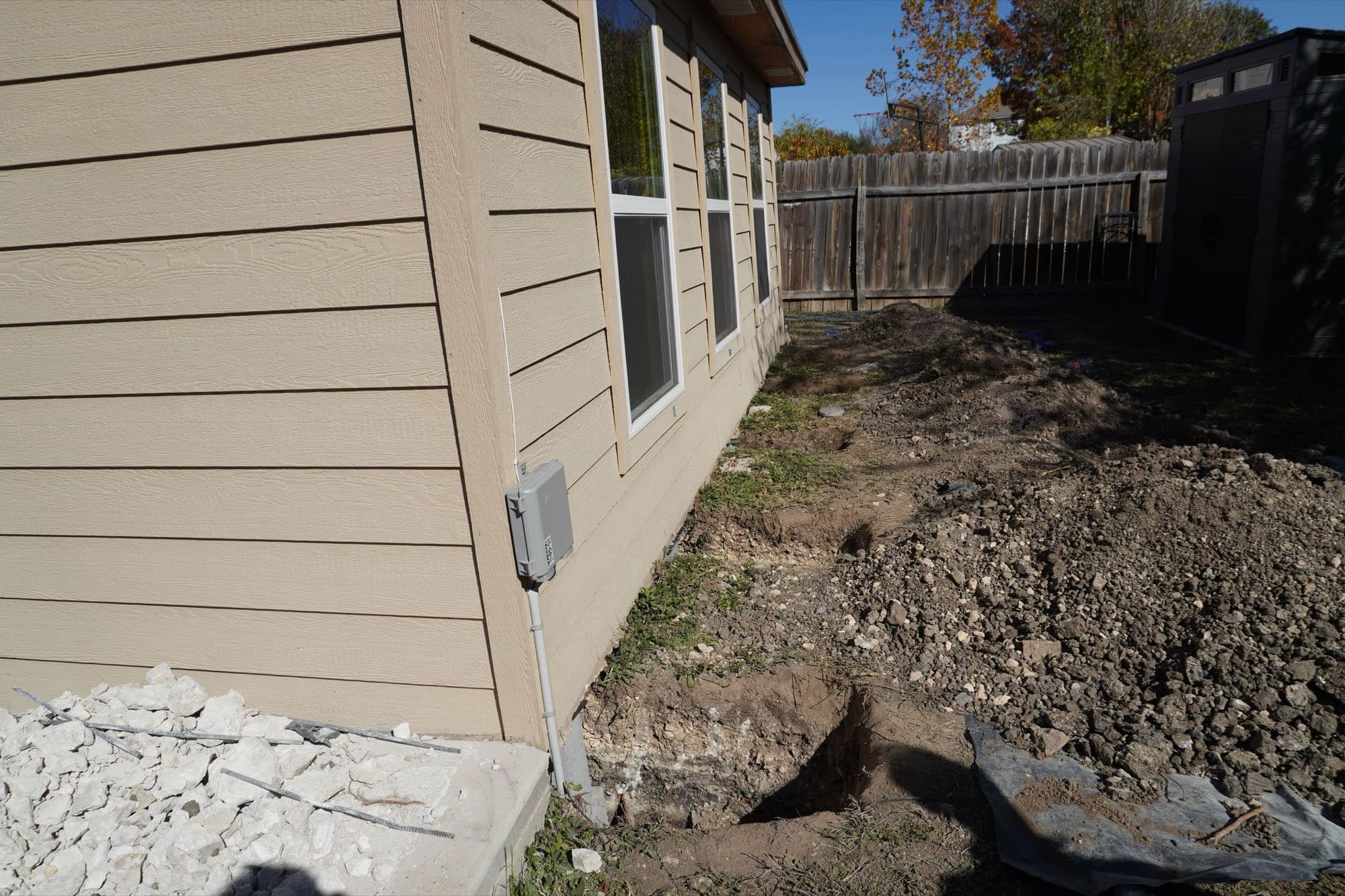
Signs of Slab Foundation Damage
How do you even know your foundation has problems? A lot of tell-tale signs might be considered "normal" by some homeowners, but should actually be red flags, like some of the following:
If you notice any of these signs, it's important to call us to carry out a professional foundation inspection to determine the extent of the issue and to address it before it worsens.
Cracks
Look for cracks in the walls, garage floors, exterior brickwork, or ceilings. Horizontal cracks are usually a sign of foundation movement, while vertical cracks can indicate settling.
Uneven floors
If you notice that your floors or concrete steps outside are sloping or uneven, it could be a sign of foundation settlement.
Doors and windows are sticking
If your doors or windows are difficult to open or close, it could be due to a shifting foundation.
Gaps around doors and windows
Large gaps between the frames of doors and windows and the walls can indicate movement underneath.
Water damage
Puddles of water or water stains in the basement or crawlspace above the slab can be a sign of poor drainage caused by foundation issues.
Sagging or uneven roofline
If you notice that your roofline is sagging or uneven, it could be a sign of settlement.
Causes of Slab Foundation Damage
Concrete slab foundation problems can be caused by a variety of factors that impact the structural integrity of buildings over time, with some of them being preventable and others common issues with old foundations:
Poor soil compaction
Poor soil compaction means that the soil underneath the concrete slab was not properly compacted before pouring the concrete, it could lead to uneven settling and foundation issues.
Soil Erosion
Water runoff or poor drainage can erode the soil underneath the foundation, causing it to sink or become uneven.
Tree roots
Tree roots can grow underneath the concrete slab and cause it to crack or heave as they expand.
Poor maintenance and construction practices
Improperly mixed concrete, insufficient reinforcement, or inadequate curing can result in a weaker foundation that is prone to damage.
Shifting ground
Changes in the moisture content of the soil, freeze-thaw cycles, extreme weather, earthquakes, or other geological factors can cause the ground underneath the foundation to shift, leading to cracks and uneven settling.
Plumbing leaks
Water leaks underneath the slab can soften the soil and cause it to shift, leading to foundation damage.
Poor drainage
Improper grading around the foundation or clogged gutters can cause water to accumulate around the foundation, leading to erosion and foundation issues.
Expansive soils
Certain types of soil, such as clay soils, are more prone to swelling and shrinking with changes in moisture content, which can lead to foundation movement and damage.
External forces
Heavy equipment, seismic activity, or other external forces can cause stress on the foundation and lead to damage.
In each of these situations, professional foundation repairs come into play. Whatever the issues, there are several methods and solutions available to both repair the root cause and also level the foundation and return some stability to your building.
What Is Concrete Slab Repair and Leveling?
Addressing structural issues in buildings, concrete slab repair, and foundation leveling are crucial steps in ensuring the stability and durability of a foundation. Foundation repair companies often utilize various techniques, such as helical piers, to address issues with slab foundations.
Concrete slab repair involves fixing cracks, holes, or uneven surfaces in the foundation. This process helps prevent further damage and strengthens the foundation's structural integrity.
Foundation leveling, on the other hand, is the process of restoring a foundation to its original position, ensuring that it is even and stable.
Foundation repair companies employ skilled professionals who assess the extent of the damage and recommend to property owners the most suitable repair and leveling techniques. For example, helical piers are commonly used in concrete slab repair and leveling to provide additional support and stability to the foundation.
But piers aren't the only solution, as we'll see next.
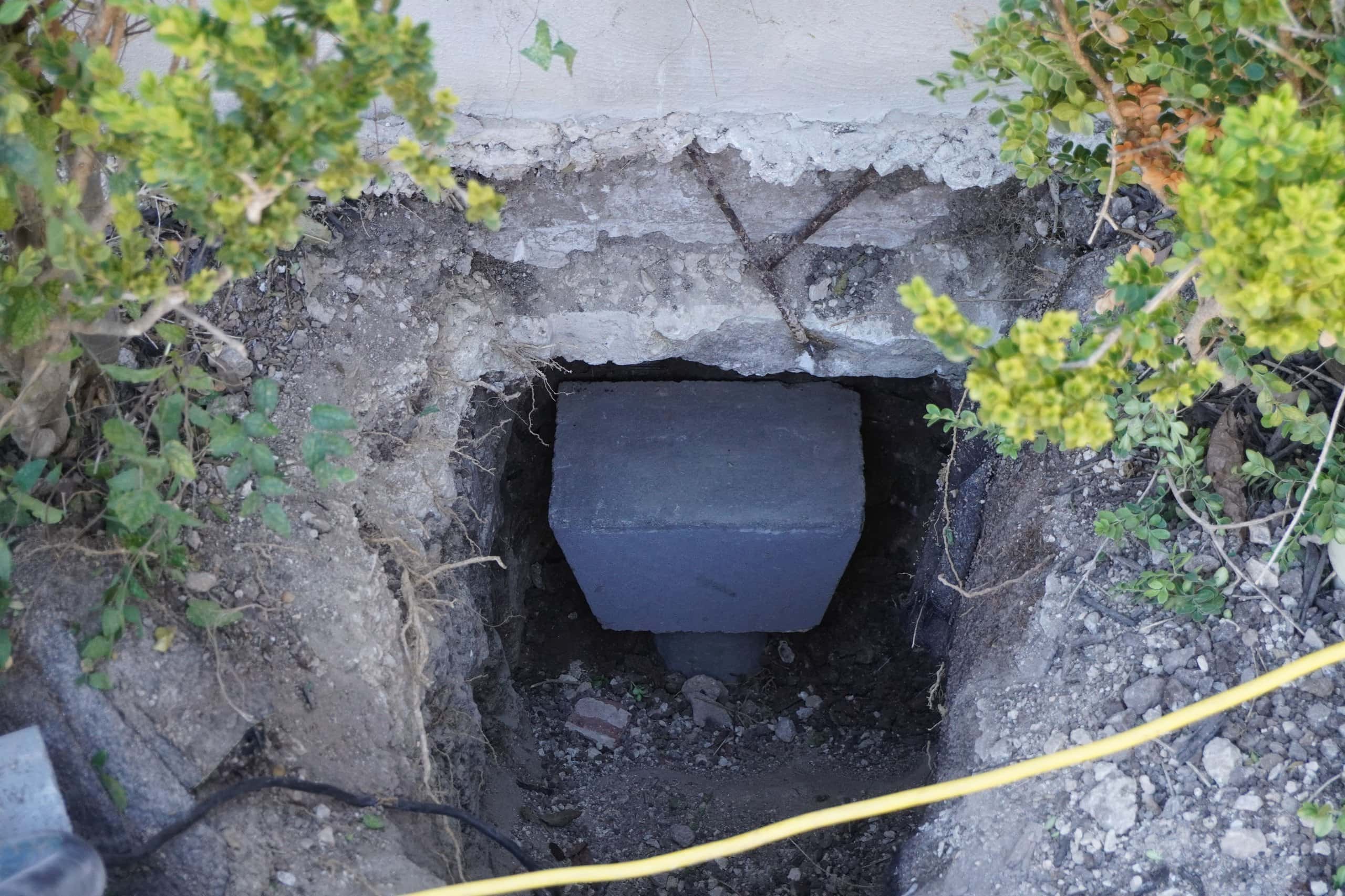
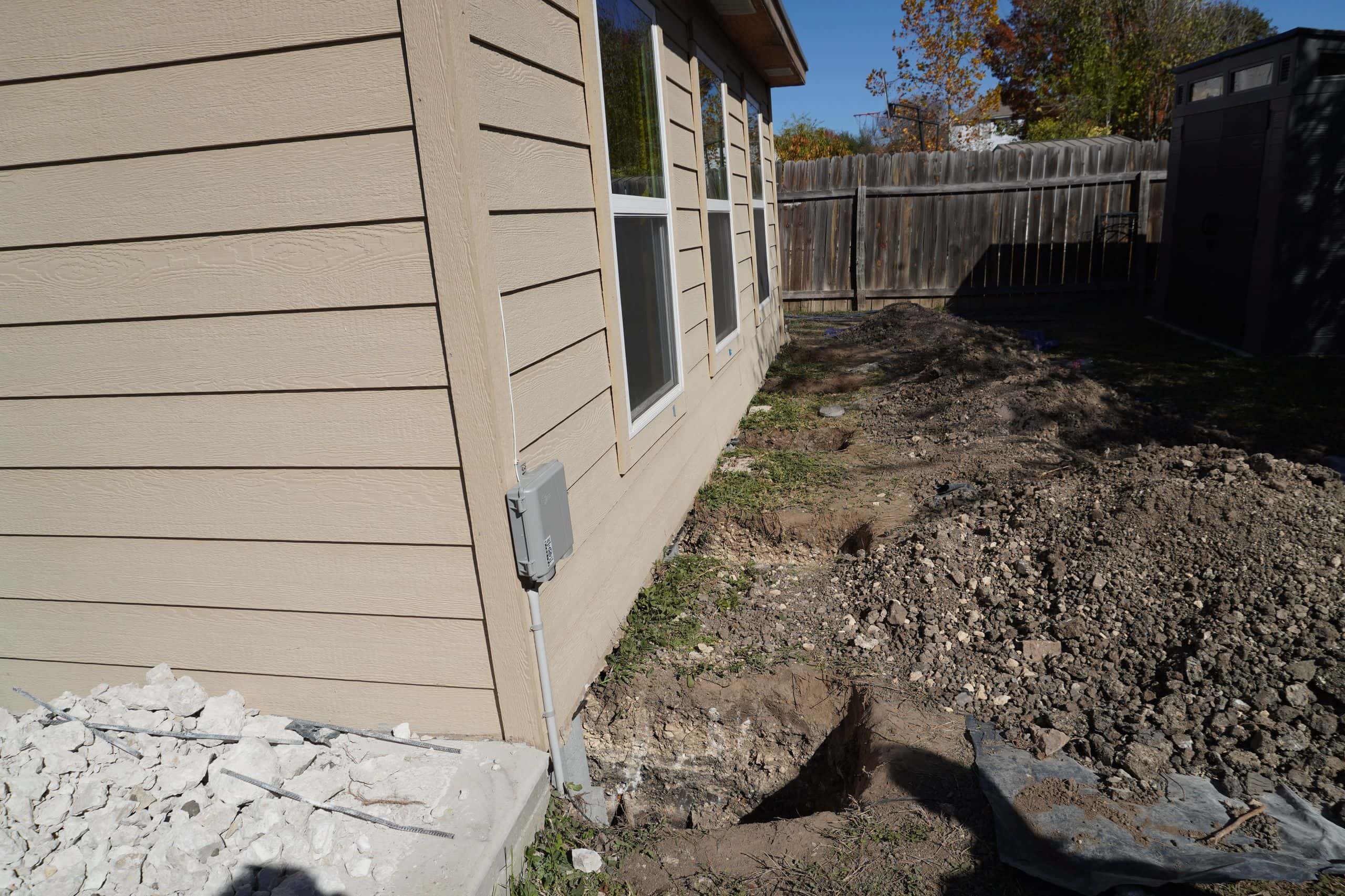
What the work looks like
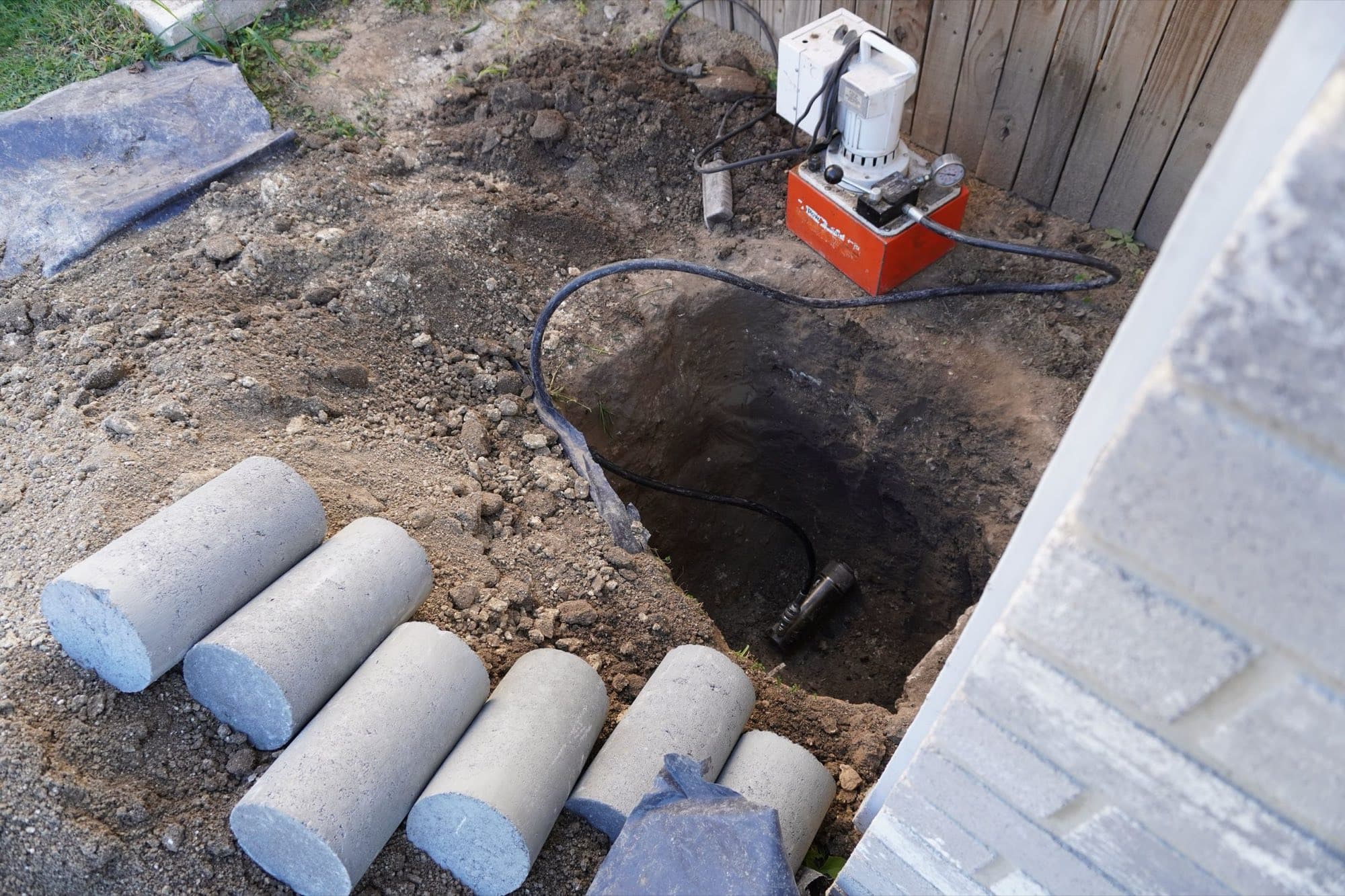
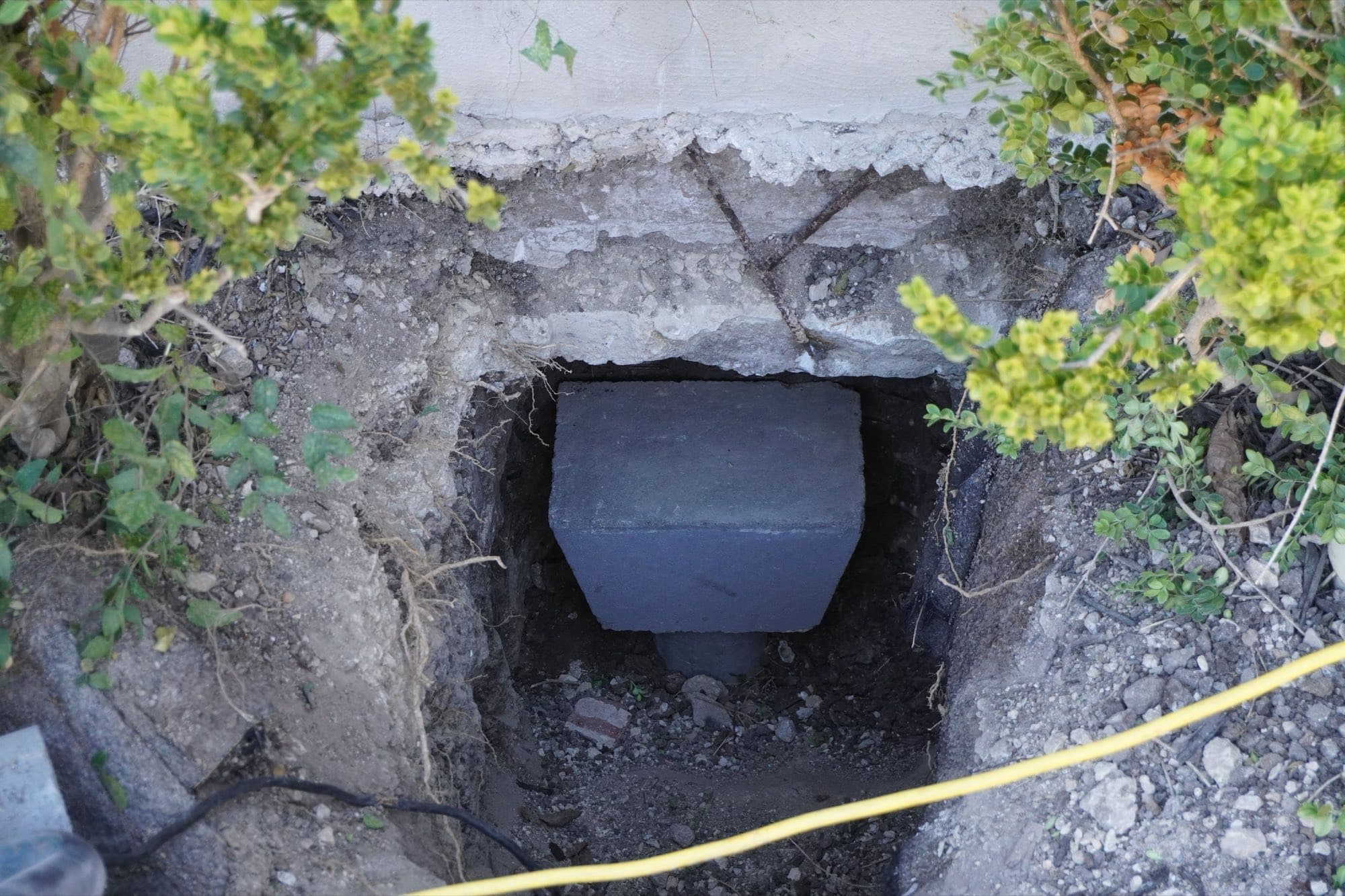
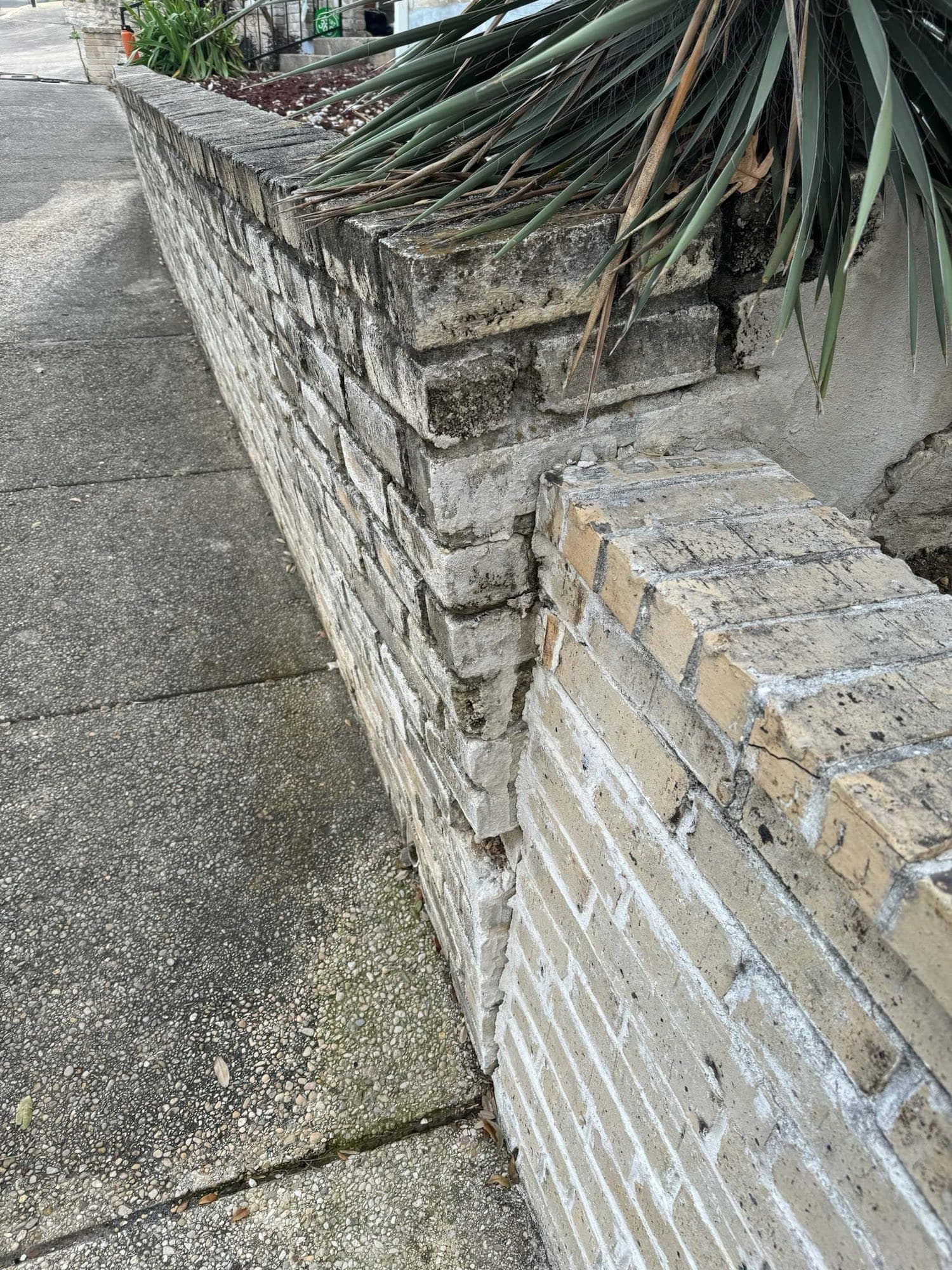
Types of Concrete Slab Leveling and Repair
Various repair methods are used for concrete foundation leveling, including mudjacking, helical piers, hydraulic jacks, and concrete piers. These techniques are employed to address different types of foundation issues and ensure the stability and longevity of the structure. Understanding the differences and benefits of each method is crucial in determining the most suitable approach for effective concrete slab repair.
Mudjacking or Slabjacking
Mudjacking, also known as slabjacking, is a widely used technique in concrete slab foundation leveling and repair aimed at restoring stability and evenness to sunken or uneven concrete surfaces. This method involves injecting a specialized material in the spaces beneath the sunken concrete floor or slab to lift it back into place.
By injecting the grout mixture through the holes, mud jacking provides a long-lasting solution for leveling concrete surfaces and ensuring a stable foundation. Here are some key points about mud jacking:
- Uses a mixture of soil, water, and foam to raise the concrete
- The material is injected via hydraulic pressure to fill voids and solidify, providing support
- Ideal for repairing sunken porches and uneven walkways
- Cost-effective compared to full slab replacements
- Quick process with minimal disruption to the surrounding area
Helical Piers
Helical piers are specialized structural elements used in concrete foundation leveling and repair to provide stability and support to compromised foundations. These piers are crucial in reinforcing the structure and ensuring long-lasting durability in many cases, especially where the settling is very pronounced.
- Helical piers are screwed into the ground beneath the foundation.
- They can lift and level a sinking concrete slab effectively.
- Helical piers work well in various soil conditions, especially more humid ones or ones that are prone to earthquakes.
- Installation of helical piers is relatively quick and minimally invasive.
- They can be a cost-effective solution for foundation repair and slab leveling projects.
Hydraulic Jacking or Piers
Hydraulic jacking is a newer method used in concrete slab leveling and repair projects. A professional team can use hydraulic jacks or piers to lift the concrete slab back into its original position efficiently. This process often takes only a few hours to complete, minimizing disruption to your daily routine. The first step involves identifying the areas that require lifting, followed by strategically positioning hydraulic jacks.
Hydraulic jacking piers offer the reliability of the steel pier while also being more portable and easier to place. As the jacks lift the slab using hydraulic pressure, the team carefully monitors the progress, ensuring a precise and level finish that restores the functionality and aesthetics of the concrete surface.
Concrete Piers
Next are concrete piers, which are vertical columns made of concrete that are inserted beneath the current foundation to provide support and stability. However, they come in a variety of types and names. They are typically installed by drilling holes into the ground under the foundation and pouring concrete into those holes to create the piers, which is why they are also known as concrete cylinder piers.
Key points about concrete piers are:
- Various types of concrete piers are used based on the specific needs of the foundation.
- Proper installation of concrete piers is crucial for long-lasting foundation repair.
- Concrete piers help in stabilizing and leveling the entire foundation, preventing further damage.
- High-quality concrete piers ensure the longevity of the foundation repair work.
Push Piers
Steel push piers are a popular choice in foundation repair services due to their durability and effectiveness in stabilizing structures. These piers are driven deep into the ground until they reach a stable soil layer, providing a strong support system for the foundation. Once in place, hydraulic jacks can be used to lift the foundation back to its original level, correcting any settlement issues. Steel push piers are a long-term solution for addressing settlement problems, as they can support heavy loads and are resistant to corrosion. Additionally, they can be installed with minimal disruption to the surrounding landscape, making them a practical choice for many homeowners and commercial property owners.
Steel Pilings
Steel pilings are heavy-duty structural elements used in concrete slab foundation leveling and repair. They are typically made of high-strength steel and are driven deep into the ground beneath the foundation to provide support and stability. Steel pilings are used to transfer the weight of the structure to more stable soil layers, helping to prevent further settling or movement of the foundation. They are a popular choice for foundation repair due to their durability, load-bearing capacity, and long-term stability.
Slab Lifting Poly Foam Injection
Utilizing advanced polyurethane foam injection technology is a common repair solution employed in concrete slab foundation leveling and repair to address uneven floors, sloping floors, sinking floors, and other foundation problems caused by foundation settlement. This innovative concrete lifting technique involves injecting a specialized polyurethane foam under the sunken concrete, cracked slab foundation, or damaged foundation slab.
As the concrete leveling foam expands, it lifts the concrete slab back to its original position, filling voids in the soil underneath, stabilizing the load-bearing soil, and supporting the home's foundation without adding excess weight. This minimally invasive foundation leveling and repair process is well-suited for concrete surfaces such as driveways, walkways, patios, basement foundation slabs, and other concrete slabs affected by differential settlement, soil erosion, or ongoing foundation movement.
The foam is lightweight yet strong, providing long-term stability and cost-effective support while reducing the risk of future issues related to soil moisture levels, heavy rain, water pooling, or regional soil conditions such as sandy soils or expansive soils found in colder climates. Polyurethane foam lifting is ideal where traditional repair methods like push piers, helical piers, or mudjacking may not be feasible due to limited access, crawl space constraints, or nearby walls and support beams. One disadvantage is that poly foam injection may not provide sufficient perimeter support for severe slab foundation problems involving structural problems, bowed walls, larger cracks in walls, or significant soil settlement.
Stone Slurry Grout Leveling
Stone slurry grout leveling is an eco-friendly foundation repair and slab foundation repair method commonly used for concrete slab foundations experiencing foundation damage, sunken concrete, or uneven floors. This repair solution uses a blend of pulverized limestone, water, and sometimes Portland cement to raise a concrete slab, foundation slab, or cracked foundation back to proper elevation while supporting the soil beneath.
The stone slurry grout, once injected beneath the slab, fills voids in the soil underneath, stabilizes the slab foundation, and restores concrete surfaces affected by foundation settlement, stair step cracks, diagonal cracks, hairline cracks, or other early warning signs of foundation issues. Because of its natural composition, it is safe for landscaping, crawl space areas, lawns, pets, and even homeowners pursuing their own creative projects or diy projects under professional guidance.
The best use of stone slurry leveling is with expert application. It's always best to let trained professionals apply the stone slurry grout with precision to achieve optimal leveling results. The key advantages of this repair method include:
- Cost-effective Solution: Stone slurry grout leveling offers a budget-friendly option for repairing concrete slab foundations.
- Minimal Disruption: This method causes minimal disruption to the surrounding area during the repair process.
- Durable Results: The use of stone slurry grout ensures long-lasting and durable results for your concrete slab.
Under-Slab Tunneling
Under-slab tunneling is a specialized foundation repair solution used to address serious foundation issues beneath a concrete slab foundation or basement foundation without damaging finished floors, walls, or interior spaces. This minimally invasive method is commonly used when foundation problems stem from plumbing leaks, soil erosion, ongoing foundation movement, or soil conditions deep beneath the foundation that require access to ground deeper than surface-level repair methods. This technique involves creating tunnels under the foundation slab to repair plumbing lines, reinforce the foundation, stabilize soil, or install support systems such as push piers or helical piers that are pushed deep into stable soil layers. Contractors carefully excavate access points outside the home's foundation, allowing crews to reach problem areas without compromising structural integrity or causing additional foundation damage.
By planning access points strategically, under-slab tunneling helps address common signs of foundation issues such as uneven floors, sloping floors, sagging floors, stair steps, stair step cracks, diagonal cracks, larger cracks, bowed walls, water intrusion, and other signs of differential settlement. This approach is often recommended after a free inspection when several signs of foundation settlement or structural damage are present, helping prevent future issues while keeping repair costs manageable.
Call Above All Foundation Repair at the First Sign of Foundation Cracks or Settlement
Above All Foundation Repair's team of experienced professionals understands the importance of a solid foundation for your home. They offer timely inspections and personalized solutions to address any issues, no matter how minor, in your foundation. By entrusting your foundation repair needs to Above All Foundation Repair, you can have peace of mind knowing that your home is in good hands. Don't wait until minor foundation problems turn into major structural issues. Contact Above All Foundation Repair as soon as you notice any signs of foundation problems to receive the expert assistance you need.
Frequently Asked Questions
Can Concrete Slab Repair and Leveling Be Done on Any Type of Slab in a Property or Only Foundations?
Concrete slab repair and leveling can be conducted on anything that's a concrete slab (driveway, steps, sidewalk, pathway,) even if they're part of other types of foundations. Still, limitations may exist depending on the severity of the damage and structural integrity. Professional assessment and consultation are crucial for determining feasibility.
How Long Does It Typically Take to Complete a Concrete Slab Repair and Leveling Project?
The duration for completing a concrete slab repair and leveling project can vary based on the extent of damage and the specific techniques employed. Typically, such projects may take anywhere from a few days to a couple of weeks to finish.
Are There Any Preventative Measures Homeowners Can Take to Avoid the Need for Concrete Slab Repair and Leveling in the Future?
Homeowners can prevent future concrete slab issues by maintaining proper drainage around the foundation, monitoring for signs of settlement or cracks, ensuring consistent moisture levels, and scheduling routine inspections by foundation professionals to address any early warning signs promptly.
Do You Offer Any Warranties or Guarantees on Your Concrete Slab Repair and Leveling Services?
Yes, we offer comprehensive warranties on our services to provide peace of mind for our customers. Our guarantee ensures the quality and durability of our work, demonstrating our commitment to customer satisfaction and long-term solutions.
What Are the Average Costs of Concrete Slab Repairs and Leveling?
The average costs of concrete slab repairs and leveling can vary depending on the extent of the damage and the size of the area that needs to be repaired. On average, homeowners can expect to pay anywhere from $500 to $3000 for concrete slab repairs and leveling. Factors that can impact the cost include the type of damage, the accessibility of the area, and the labor and materials required for the job.