Installing Steel Piers for Foundation Leveling
Suppose you have been experiencing issues with your foundation settling or sinking. In that case, it's likely steel piers have been constantly coming up in your research as a foundation repair solution, as they're among the most reliable and common foundation repair methods today. Take a few minutes to get caught up on everything you need to know about steel piers and the foundation issues they're best suited for, the two main types of steel piers on the market, and a quick guide for basic foundation push pier installation to familiarize yourself with the process before getting any quotes from foundation specialists. Whether you are dealing with minor settling or significant foundation problems, steel pier installation may be the key to restoring stability and peace of mind to your home.
 Licensed & insured
 BBB A rating
 Written warrantyFree inspectionsLicensed & insuredBBB A ratingWritten warrantyFree inspections
What are Steel Piers in Foundation Repair?
Utilizing steel piers in foundation repair involves the strategic insertion of durable steel columns beneath a structure to provide stability and support for addressing issues related to foundation settlement. Steel piers are an essential component of foundation underpinning, a process that strengthens, levels, and stabilizes existing foundations that have been compromised due to soil conditions or other factors.
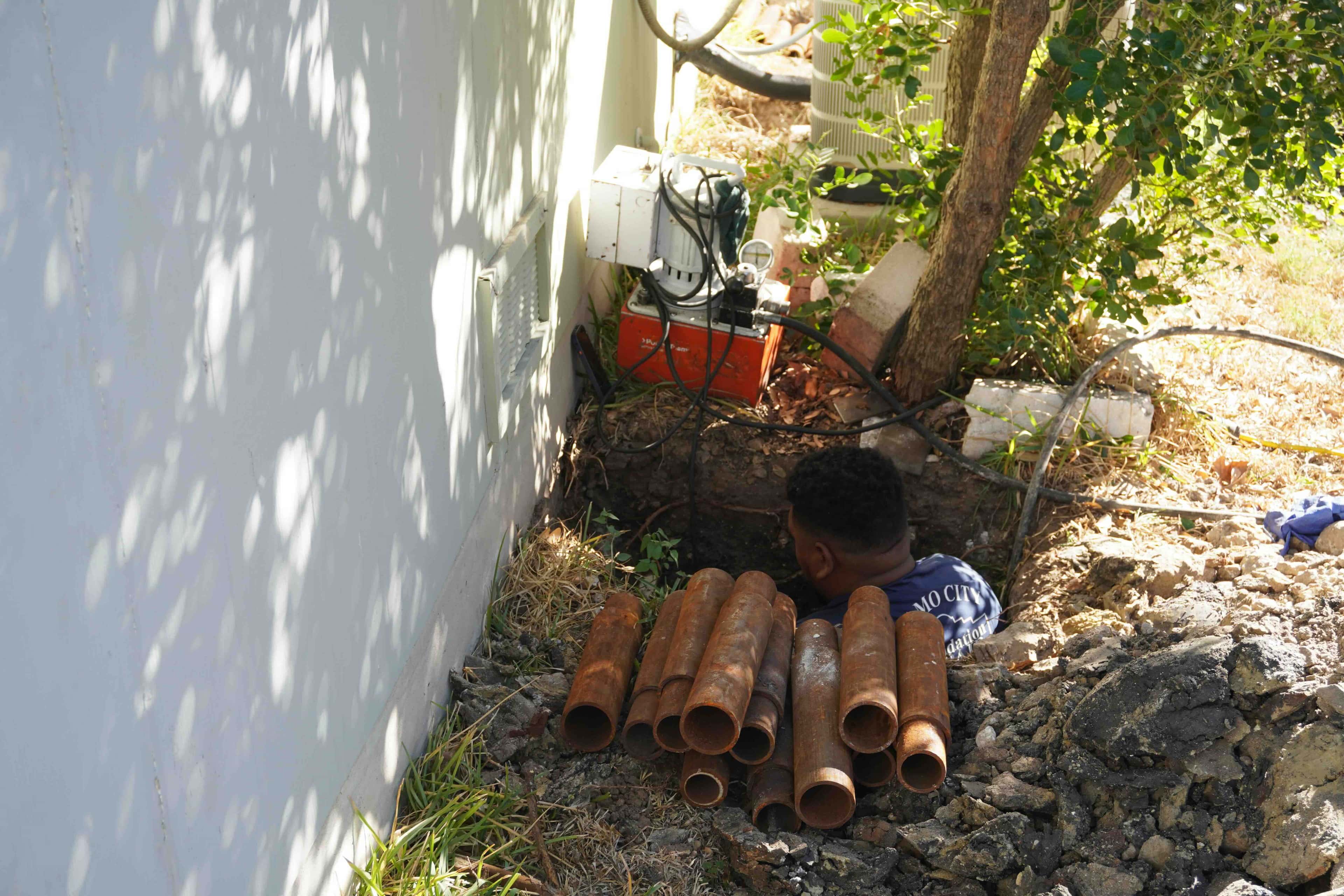
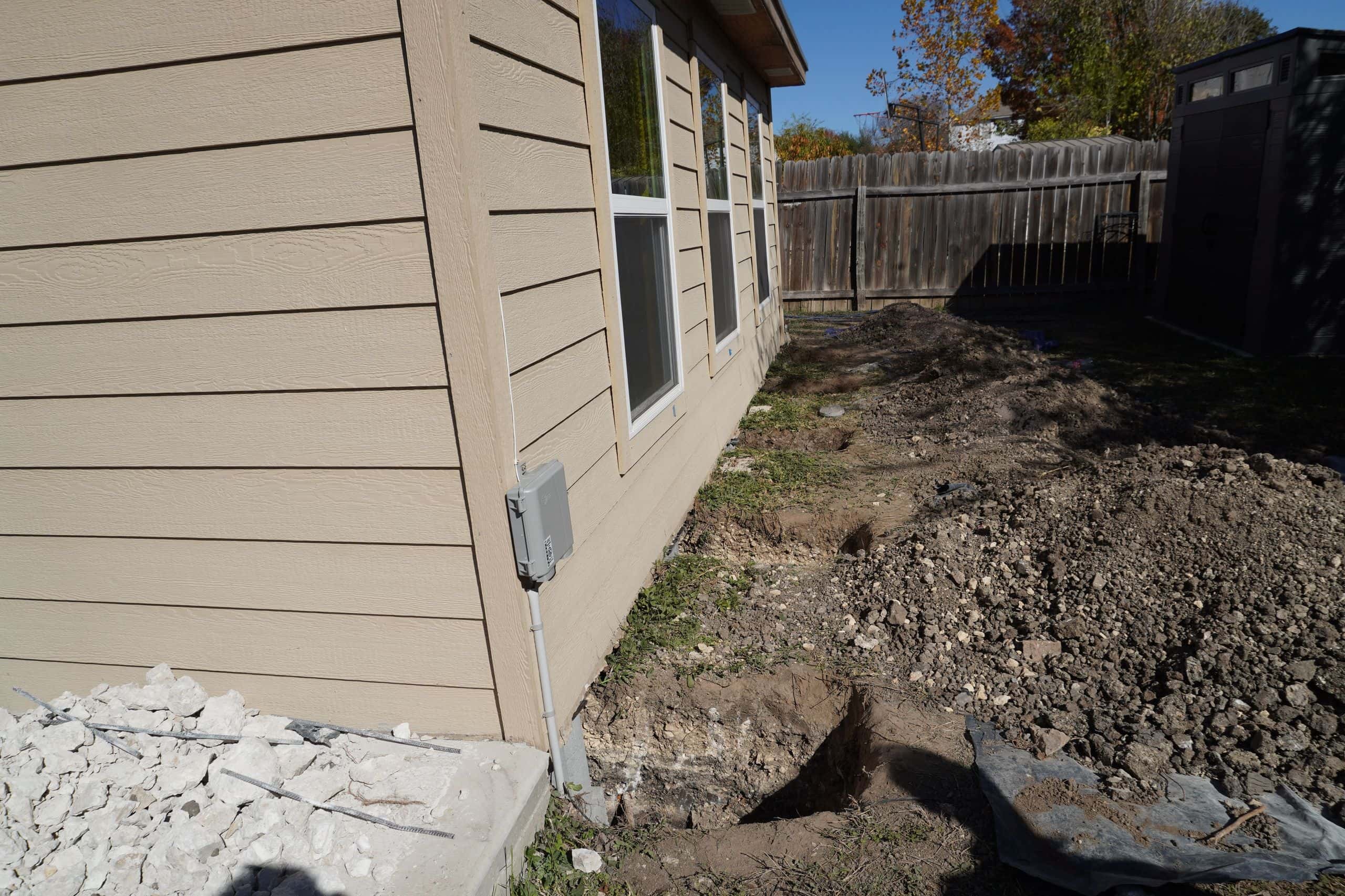
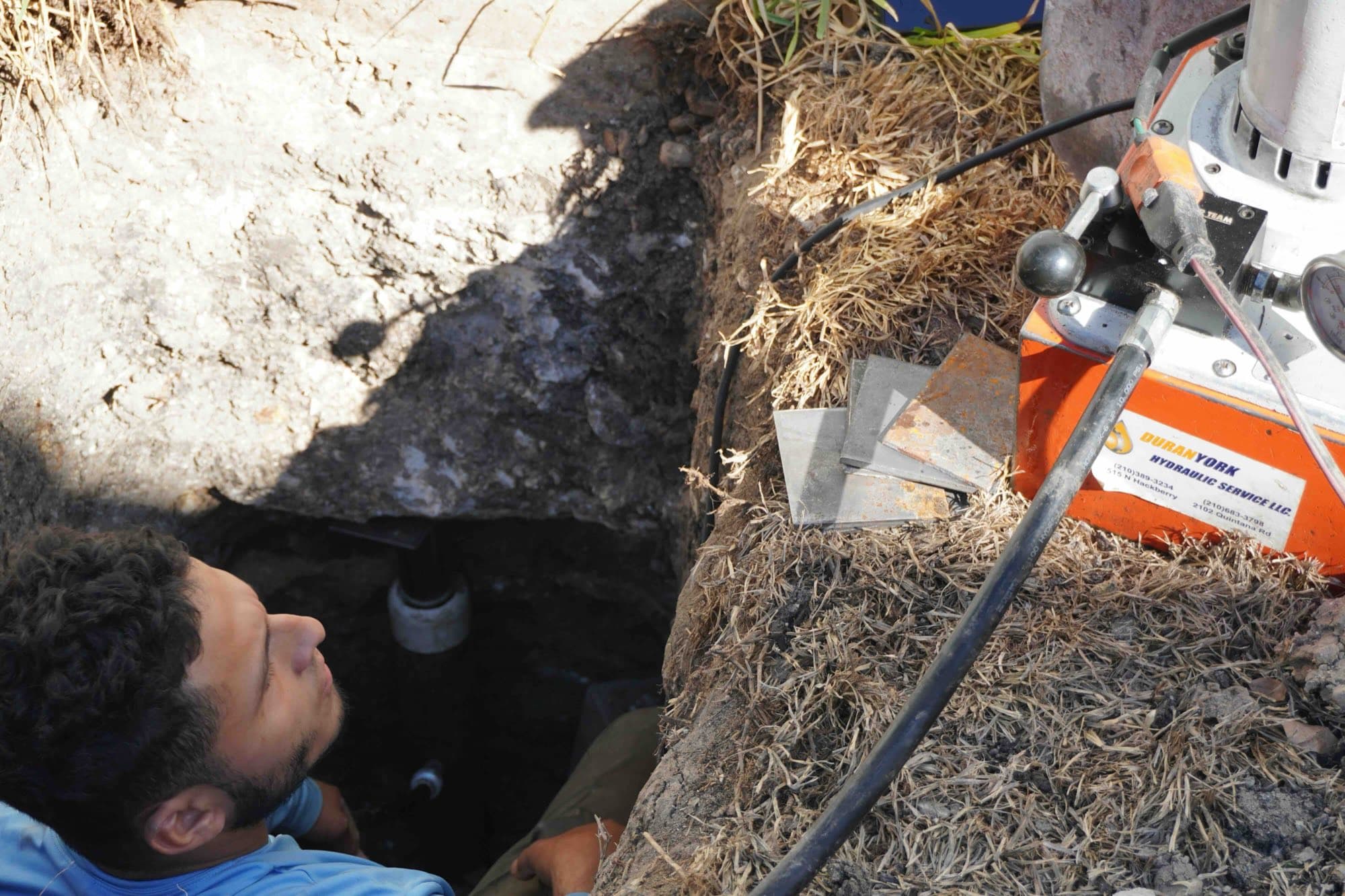
When it comes to the installation of steel piers, the process typically begins with excavating small pits around the perimeter of the foundation. These pits allow for the precise placement of the steel piers at strategic locations to maximize their effectiveness in supporting the structure. The steel piers are then hydraulically driven deep into the ground until they reach load-bearing strata, ensuring a secure foundation support system.
Foundation Problems that Make Steel Piers Necessary
Foundation settlement
They are installed to stabilize and lift foundational settling caused by expansive soil movement or poor compaction.
Foundation cracks
They prevent further cracking in foundations that are experiencing settlement or heaving.
Uneven floors
They can be used to lift and level floors that have settled or sunk due to issues with the original steel foundation piers, crawl space, or concrete slab.
Sagging or sinking foundations
Steel piers can provide support and reinforcement to foundations that are sinking because of unstable soil or experiencing excessive settlement.
Bowing or leaning walls
They stabilize and straighten walls that are bowing or leaning because of settlement or cracks.
Benefits of Steel Piers over Concrete
One of the key advantages of using steel piers in foundation repair is their durability and longevity. Unlike traditional concrete piers, steel piers are resistant to corrosion and can withstand the test of time, providing a reliable foundation support solution for years to come.
Overall, steel has several advantages over concrete in many cases:
- Load-bearing capacity: Steel piers have higher load-bearing capacity compared to concrete piers, making them suitable for stabilizing foundations of heavier structural loads.
- Long-lasting durability
- Faster installation times: Steel foundation push piers can be installed more quickly and efficiently against the competent load-bearing soil, reducing disruption to the property during foundation underpinning.
- Adjustable: These types of piers allow for precise leveling and stabilization of the foundation, which may be more challenging with concrete piers.
- Versatility: They can be used in various soil conditions, making them a more adaptable solution for foundation-underpinning projects.
- Eco-Friendly: Steel piers are environmentally friendly as they can be recycled at the end of their lifespan, reducing waste compared to concrete piers.
- Deeper perforation: They can be driven into a deeper load-bearing soil, providing incredible load-bearing capacity and stability compared to concrete piers.
- Less disruption to homeowners: Steel piers are less invasive during installation, requiring smaller excavation areas and minimizing disturbance to landscaping and surrounding structures.
Steel Helical Piers vs Steel Push Piers: What's the Difference?
When considering the necessity of steel piers in addressing foundation problems, understanding the key differences between steel helical piers and steel push piers is essential. Steel helical piers are typically used in situations where the foundation has been affected by unstable soil conditions, such as expansive clay or poorly compacted fill soil. These piers are designed with helical blades that help provide additional support and resistance against soil movement.
On the other hand, steel push piers are commonly used when the foundation settlement is caused by poor load-bearing ground, such as loose sand or weak rock. Push piers work by transferring the weight of the structure to more stable soil or bedrock, helping to lift and stabilize the foundation at the same time. The advantage of steel helical piers lies in their ability to provide more lateral stability due to the helical plates. At the same time, steel push piers are advantageous for their simplicity and lower cost. Both types of piers are effective foundation repair solutions, with their choice depending on factors such as soil composition and depth requirements.
Installing Steel Push Piers: Step by Step
We'll be focusing on the common foundation push pier system installation process, although the process for helical piers is not that much different in concept.
It's important to first explain the two main components of a typical steel push pier: the foundation bracket and the cylindrical pier section, which are around 2-7/8 to 4 inches in diameter, depending on the expected loads.
These are pressed or pushed into the ground using a hydraulic torque motor.
Site Preparation
Before digging the access holes for push pier installation, the site preparation step is essential to ensure a smooth and efficient process. First, the area where the piers are to be installed is cleared of any obstacles or debris that may impede the installation process. This includes removing any plants, rocks, or other items that could interfere with the machinery or workers.
Next, the ground is leveled to create a stable and even surface for the equipment to operate effectively. Additionally, any underground utilities, such as water or electrical lines, are located and marked to prevent accidental damage during excavation. Finally, the surrounding area is secured with barriers or caution tape to ensure the safety of workers and bystanders during the installation process.
Digging Access Holes
Holes or access points are excavated around the foundation where the piers will be placed. These holes allow for the installation equipment to reach the foundation's footing. Temporary support can also be employed to ensure the building will not suffer any structural damage or further settling.
Installing Brackets
After digging the access holes for push pier installation, the next step involves placing the brackets at the bottom of the holes. These brackets serve as the connection points between the piers and the foundation of the structure. Careful positioning and alignment of the brackets are crucial to ensure proper weight distribution and stability.
Driving Piers Into the Ground
During the push-pier installation process, once the piers have been properly positioned in the ground, the hydraulic machinery is engaged to push the piers deeper into the soil. The hydraulic system exerts controlled pressure on the piers, gradually driving them down through the soil layers. This step is crucial as it ensures the piers reach the stable load-bearing soil or bedrock strata beneath the surface. The hydraulic machinery allows for precise monitoring and adjustment of the pushing force to ensure the piers are driven to the correct depth, providing a solid foundation for the structure above.
Verifying Leveling
The final step in the installation process involves backfilling the holes to secure the piers in place and restore the surrounding area. This backfilling process ensures that the piers are well-supported and stable, providing a solid foundation for the structure above. Once the backfilling is complete, any excess material is removed, and the site is cleaned up to leave a neat and finished appearance.
When done by professional foundation contractors, it's a straightforward installation process that can take only a few days, depending on factors like access to the foundation, the landscape, how severe the issue is, pipes, utilities, and others.
Trust in Above All Foundation Repair for Steel Pier Installation
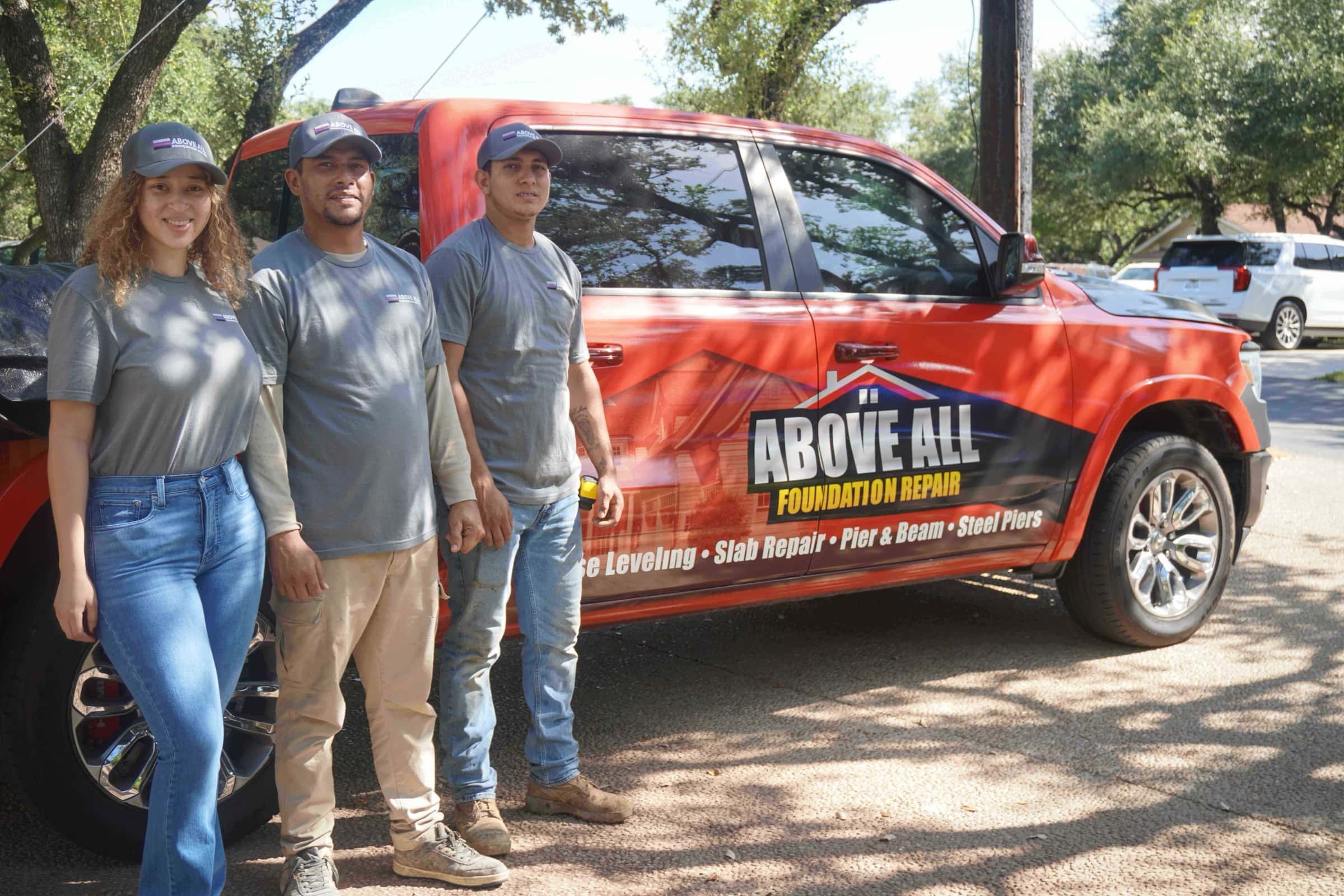
The installation of steel piers for foundation leveling is a crucial process in stabilizing structures affected by soil settlement. For reliable and expert steel pier installation services, Above All Foundation Repair stands out as a trusted choice in ensuring the stability and durability of your property's foundation. When it comes to securing the foundation of your property, the soil composition plays a crucial role in determining the type of foundation pier needed.
Above All Foundation Repair's team of specialists is well-equipped to assess the soil conditions on your property and recommend the most suitable steel pier for installation. From the initial excavation process to the final installation of the steel piers, their experts handle each step with meticulous attention to detail, guaranteeing a sturdy foundation for your property.
If you have any further questions or need more information on foundation repair options, feel free to call or contact us!
Frequently Asked Questions
How Long Does the Installation Process Typically Take for Steel Piers in Foundation Leveling?
The installation process for steel piers in foundation leveling typically takes 2-3 days. Factors such as the size of the project, soil conditions, and accessibility to the site can influence the duration. Professional contractors ensure timely and efficient completion.
Are There Any Specific Soil Conditions That Make Steel Piers More Effective Than Other Foundation Repair Methods?
Certain soil conditions, like expansive clay or poorly compacted fill soils, can benefit from steel piers due to their ability to reach stable bedrock or load-bearing strata. This allows for effective foundation stabilization and prevents future settlement issues.
Can Steel Piers Be Installed in a Home With a Slab Foundation, or Are They Only Suitable for Homes With Pier and Beam Foundations?
Steel piers can be installed in homes with slab foundations, not just pier and beam structures. The versatility of steel piers allows for their use in various foundation types, offering a reliable solution for stabilizing and leveling foundations.
How Often Should Steel Piers Be Inspected or Maintained After Installation to Ensure Their Effectiveness in Supporting the Foundation?
Steel piers should be inspected annually after installation to secure a settling foundation and to ensure continued effectiveness in supporting the foundation. Regular maintenance can prevent issues from escalating. Monitoring for signs of settlement or structural changes is crucial for early intervention.