
House Leveling
House leveling is essential for restoring stability to your home, eliminating safety hazards such as uneven floors and crooked walls. It ensures a secure foundation, enhances property value, and promotes structural integrity.
 Licensed & insured
 BBB A rating
 Written warrantyFree inspectionsLicensed & insuredBBB A ratingWritten warrantyFree inspections
House Leveling - Above All Foundations
A stable home foundation is crucial for the safety and longevity of any structure. It supports the building, ensuring it remains level and structurally sound. Over time, various factors can cause a foundation to settle or move, potentially leading to significant issues within the home. Understanding the signs of foundation settling and the methods available for leveling can help homeowners maintain their property's integrity and value.
Understanding Foundation Settling
Foundation settling occurs when the soil beneath a home shifts, causing the foundation to move or sink. This can happen due to a variety of reasons, including soil type, moisture changes, and inadequate drainage. Clay soils, for example, expand when wet and contract when dry, leading to movement over time.
Early detection of foundation issues can prevent extensive damage. Signs that your foundation may need leveling include doors and windows that stick or won't close properly, visible cracks in the walls or foundation, uneven floors, and gaps between walls and the ceiling or floor.
Types of Foundation Leveling
While concrete slab foundations are common, other foundation types require different house leveling techniques. Foundations such as pier and beam or crawl space foundations offer unique challenges and solutions for leveling.
Pier and Beam Foundation Leveling
Pier and beam foundations consist of wood posts or concrete piers set into the ground to support the weight of the house. This type of foundation is typically elevated, creating a crawl space beneath the house.
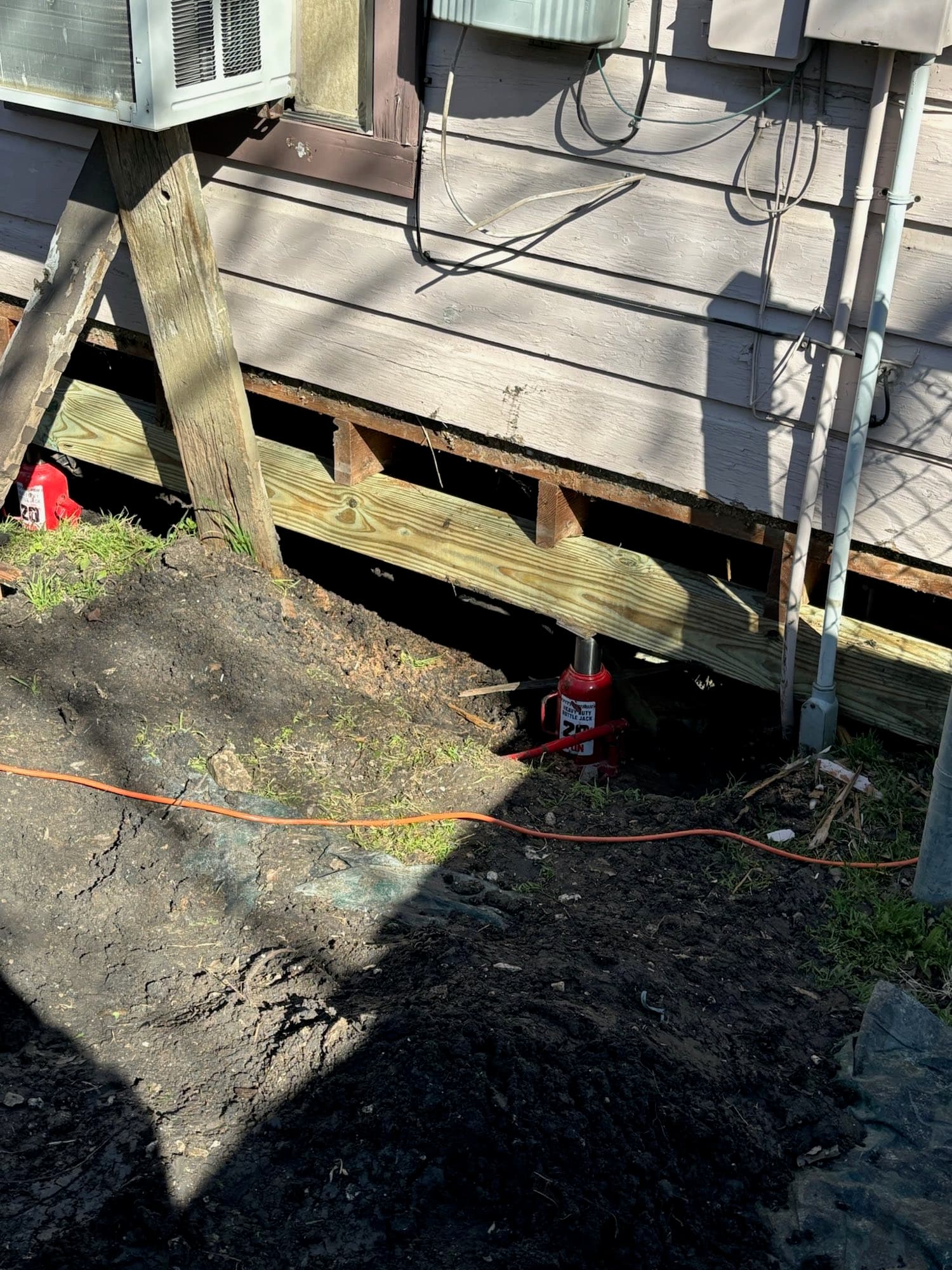
Leveling a pier and beam foundation often involves adjusting or replacing the wooden posts or concrete piers that have shifted or deteriorated over time. This may include shimming with steel shims to raise the foundation to its original level.
Crawl Space Foundation Leveling
Crawl space foundations feature a small gap underneath the home, allowing access to plumbing and electrical systems. This type of foundation can experience settling or shifting, similar to pier and beam structures.
To level a crawl space foundation, professionals may use a combination of techniques such as installing new supports, adjusting existing ones, or using hydraulic jacks to raise the foundation to its original level. Ensuring proper drainage around the foundation is also crucial to prevent future settling.
Preventative Measures and Maintenance
Tips for Preventing Foundation Settling
- Maintain consistent moisture levels around your home's foundation to prevent soil expansion and contraction.
- Install proper drainage systems to divert water away from the foundation.
- Regularly inspect the foundation and surrounding area for signs of stress or damage.
Routine Maintenance Recommendations
- Check and clean gutters and downspouts to ensure water is being effectively directed away from the foundation.
- Inspect crawl spaces or basements regularly for signs of moisture or pest activity.
- Consult with foundation specialists for periodic assessments of your home's foundation health.
The Leveling Process: What to Expect
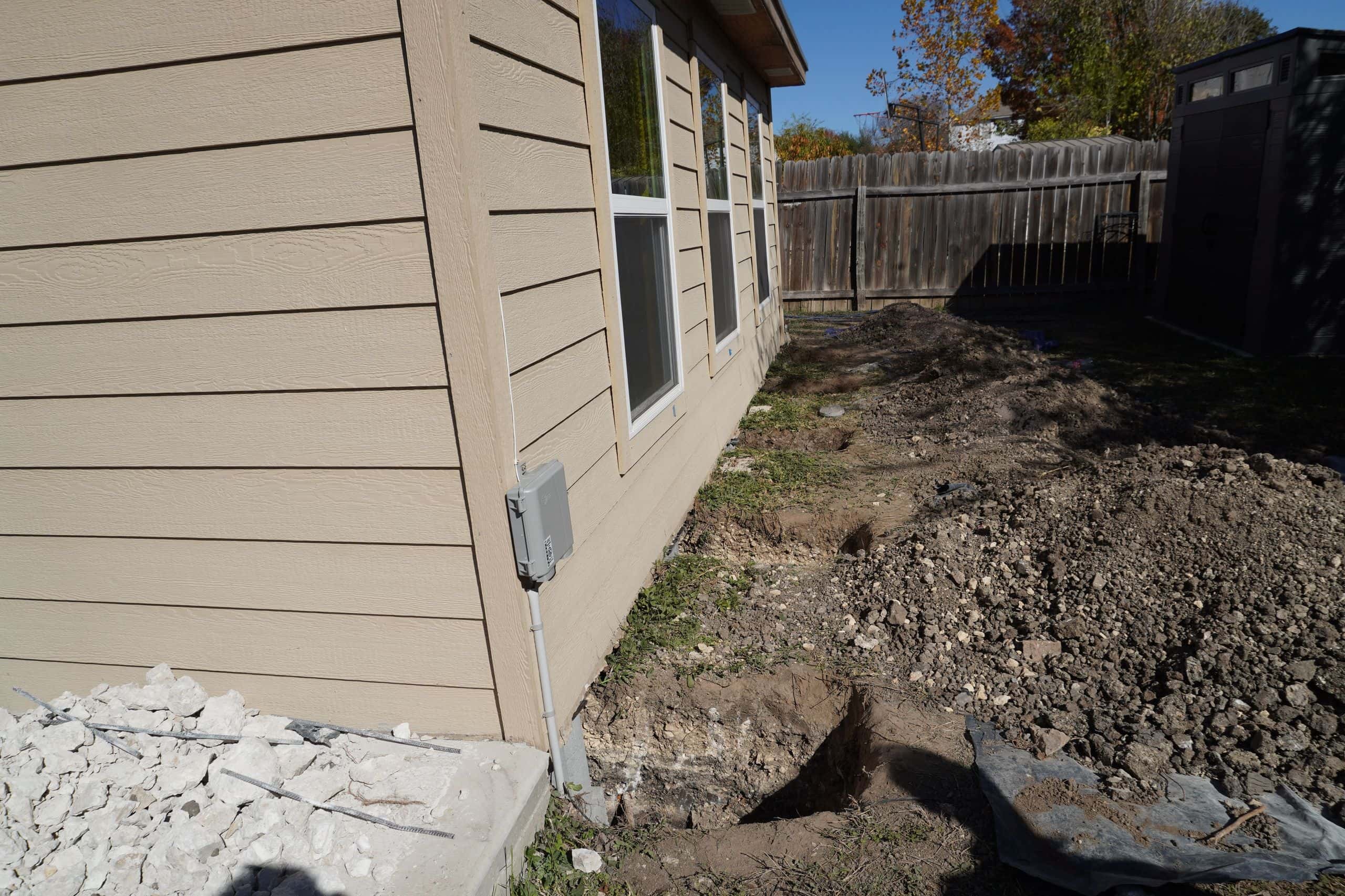
A Walkthrough: Foundation leveling projects begin with a detailed inspection to assess the extent of settling and determine the best house leveling method. Homeowners may need to prepare the area around their home for access by removal equipment. The process can vary in length but typically takes several days to complete.
Timeline and Equipment: The specific timeline and equipment used will depend on the foundation type and the extent of leveling required. Homeowners should expect the presence of heavy machinery if significant adjustments are needed.
Choosing a Foundation Leveling Professional
What to Look For
- Experience and expertise in leveling the specific type of foundation your home has.
- Positive customer reviews and a strong track record of successful projects.
- Proper licensing, insurance, and bonding.
Questions to Ask
- Can you provide references from past projects similar to mine?
- What is your approach to foundation leveling, and how do you ensure the long-term stability of the work?
- What warranties or guarantees do you offer on your work?
Cost Considerations
Factors Affecting Cost
The cost of house leveling can vary widely based on the foundation type, the severity of the settling, the method used for leveling, and the location of the home. Additional repairs to landscaping, plumbing, or other systems affected by the foundation work may also impact the total cost.
How to Budget
It's essential to get detailed estimates from several contractors to understand the potential cost range. Consider setting aside a contingency fund for unexpected expenses related to the foundation repair.
Addressing foundation settling promptly can save homeowners from more extensive and costly repairs down the line. By understanding the common signs of foundation issues, the available methods for leveling, and how to choose a reputable contractor, homeowners can protect their investment and ensure their home remains safe, stable, and level for years to come.
Estimates are free, written, and specific to your home.