
Professional Foundation Repair in San Antonio, TX
Above All Foundation Repair has kept San Antonio homes level and safe since 1990. From the historic pier and beam homes near downtown to the newer slabs out past Loop 1604, our crews know how San Antonio soil behaves and how to fix what it does to your foundation.
Schedule an Inspection
Free, in writing, no pressure.
 Licensed & insured
 BBB A rating
 Written warrantyFree inspectionsLicensed & insuredBBB A ratingWritten warrantyFree inspections
Trusted Foundation Repair Solutions in San Antonio
Foundation concerns are rarely solved by looking at one crack in isolation. Homeowners in San Antonio and the greater San Antonio area need a foundation repair company that evaluates the full structure, reviews elevation changes, considers drainage and moisture conditions, and explains how visible symptoms may connect to broader foundation issues.
San Antonio's housing stock runs from historic pier-and-beam homes near downtown to newer slab construction out past Loop 1604, and the two respond to soil movement differently.
- Step 1
The process begins with understanding how the home is responding to its specific site conditions. Soil composition, fill, grading, plumbing leaks, and uneven moisture can all influence foundation performance. Because those conditions vary from one property to the next, the team relies on inspection findings and elevation measurements rather than assumptions based on the neighborhood, age, or appearance of the home.
- Step 2
Customers receive a clear explanation of what was observed, which conditions may be contributing to movement, and which solutions may fit. This step helps San Antonio homeowners understand the recommended scope, ask informed questions, and make decisions with greater confidence.
- Step 3
When a repair is approved, the team confirms repair locations, plans access, prepares the work area, and carries out the selected method with attention to the home's structural integrity and connected components. Final measurements and a project walkthrough help document the completed work and explain what homeowners should monitor over the coming months and years.
Foundation Repair Services Available in San Antonio
No single repair method is right for every property. The appropriate solution depends on the foundation system, movement pattern, access, and conditions beneath the home.
Foundation Inspections and Repair Recommendations
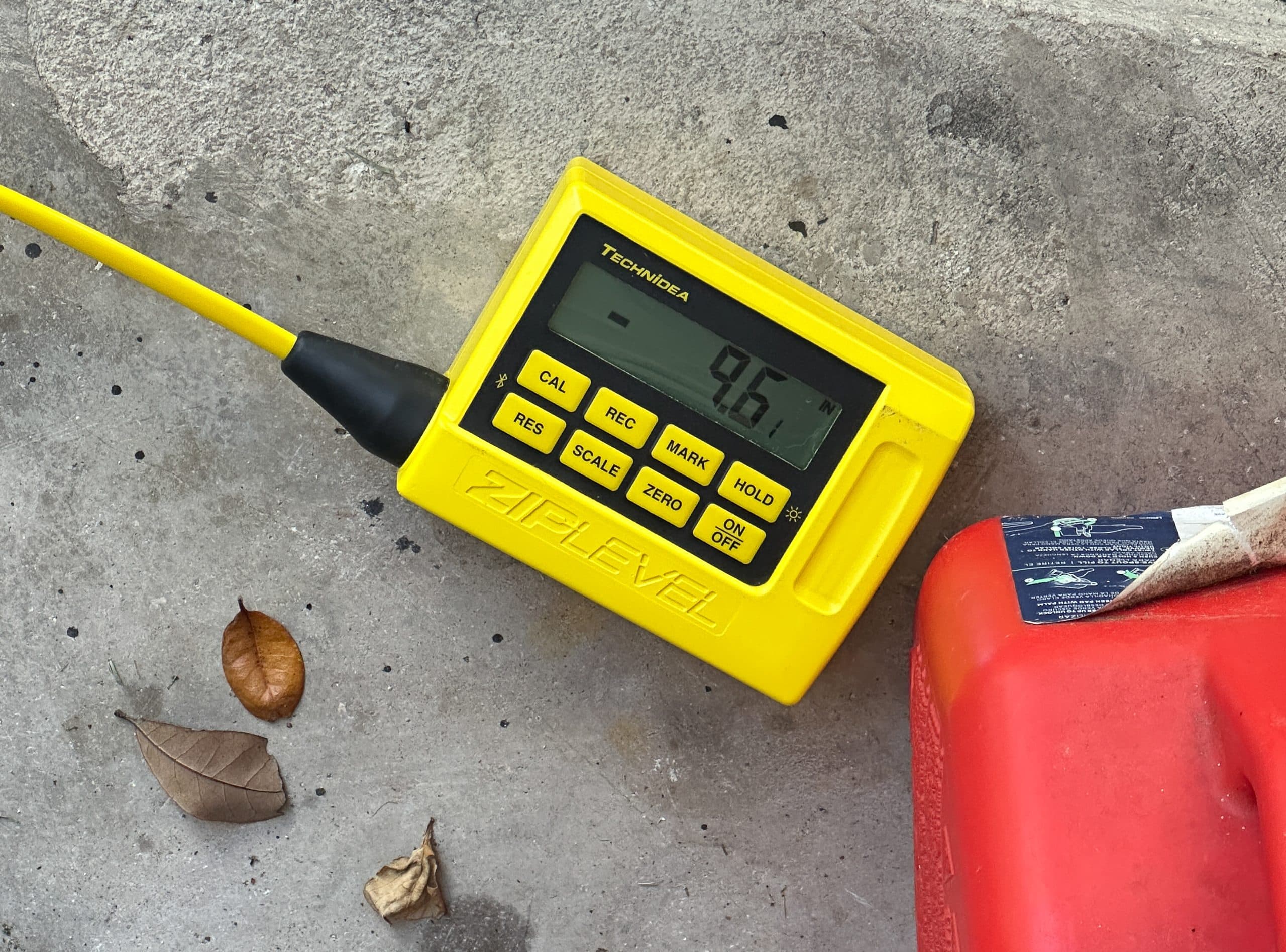
The inspection helps the team assess visible distress, elevation differences, drainage conditions, cracked walls, uneven floors, sticking doors, and other symptoms. These findings help determine whether structural work appears appropriate and which repair method fits the property.
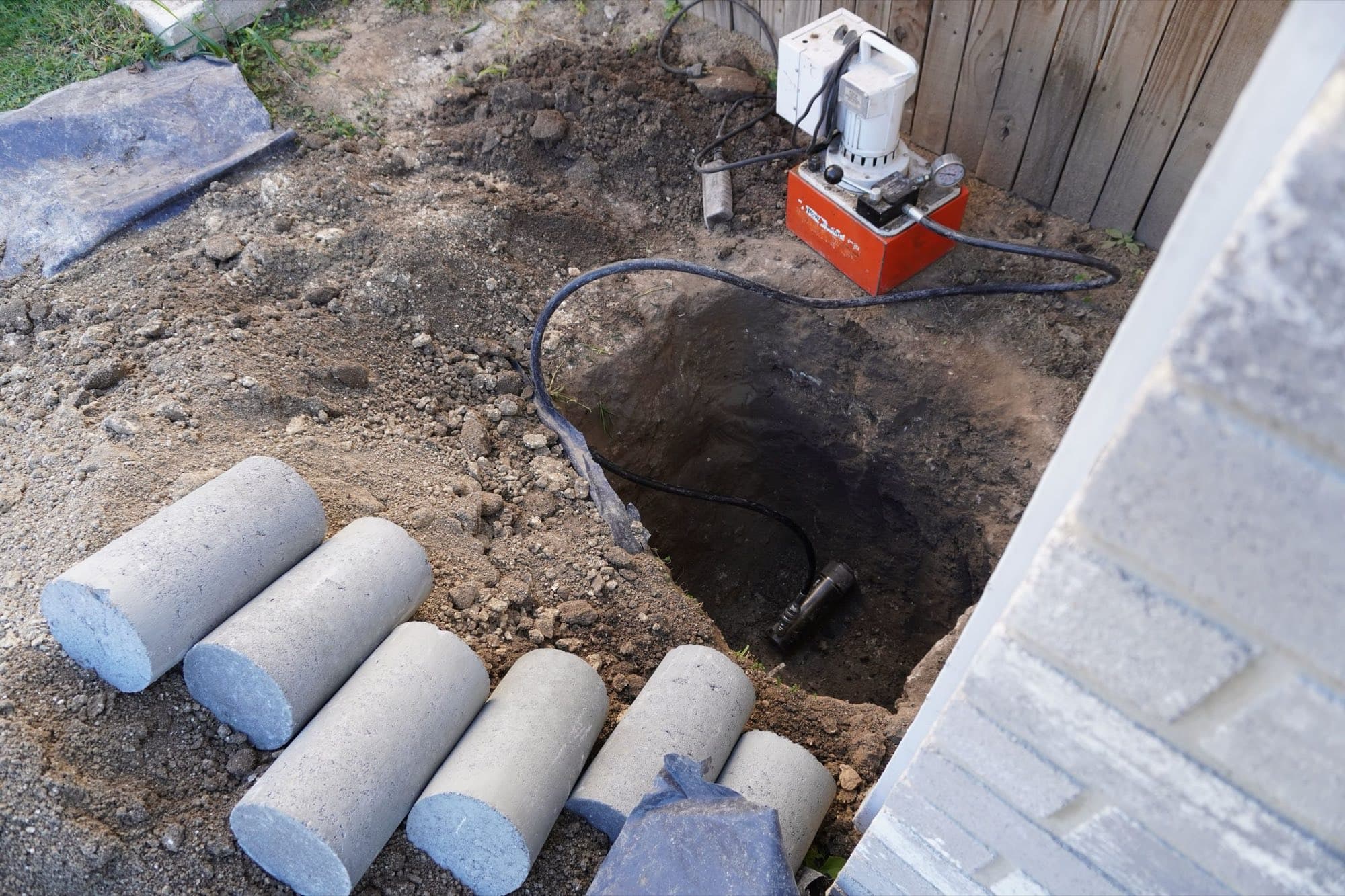
House Leveling in San Antonio
House leveling addresses uneven elevations and structural support where conditions allow. Any lifting must be performed carefully to reduce unnecessary stress on plumbing, framing, masonry, flooring, windows, and interior finishes.
Learn more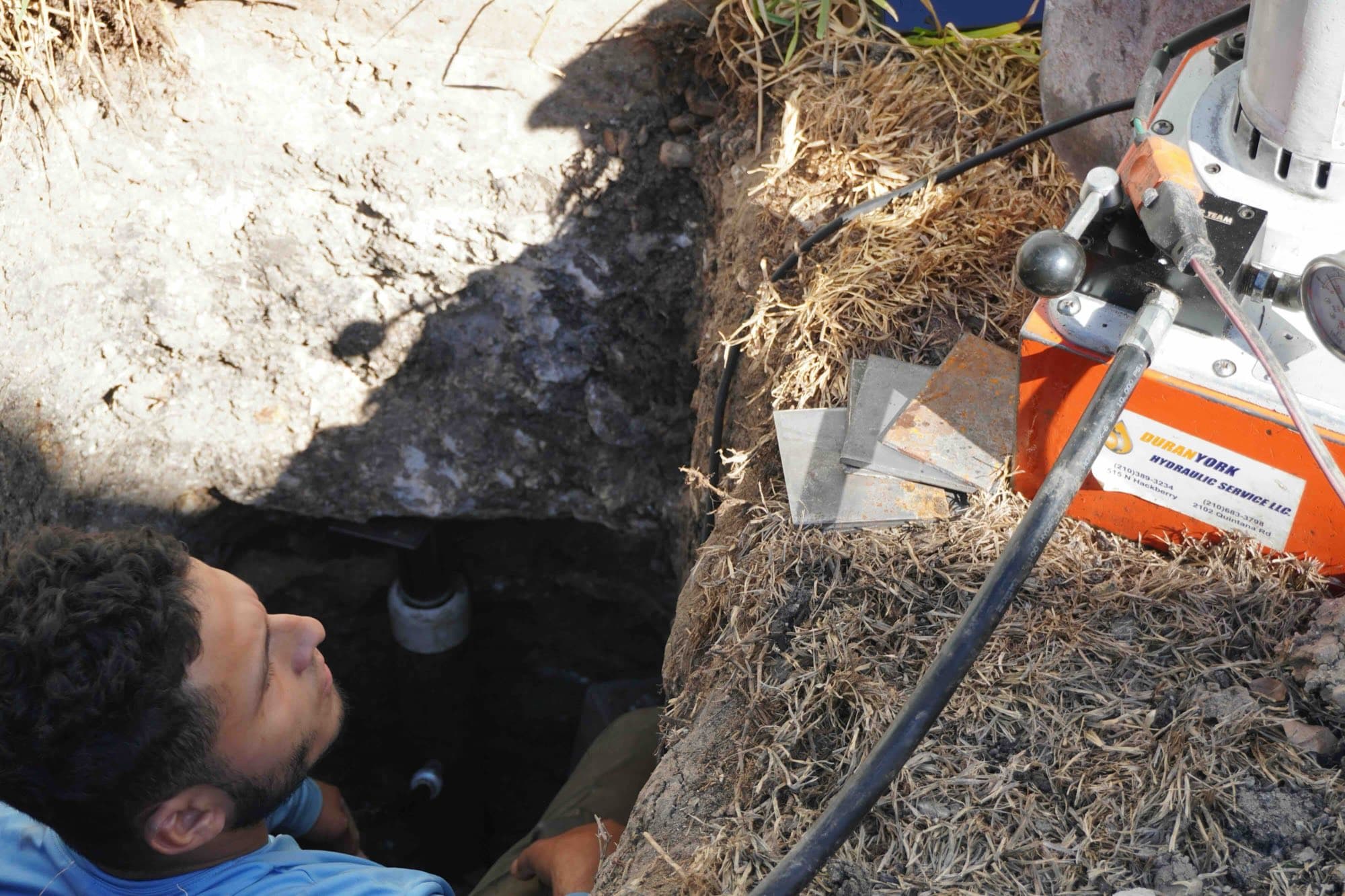
Steel Pier Installation in San Antonio
Steel piers may transfer structural loads beyond unstable upper soils to deeper, more dependable support. Pier placement, installation requirements, and lifting all depend on the property-specific repair plan.
Learn more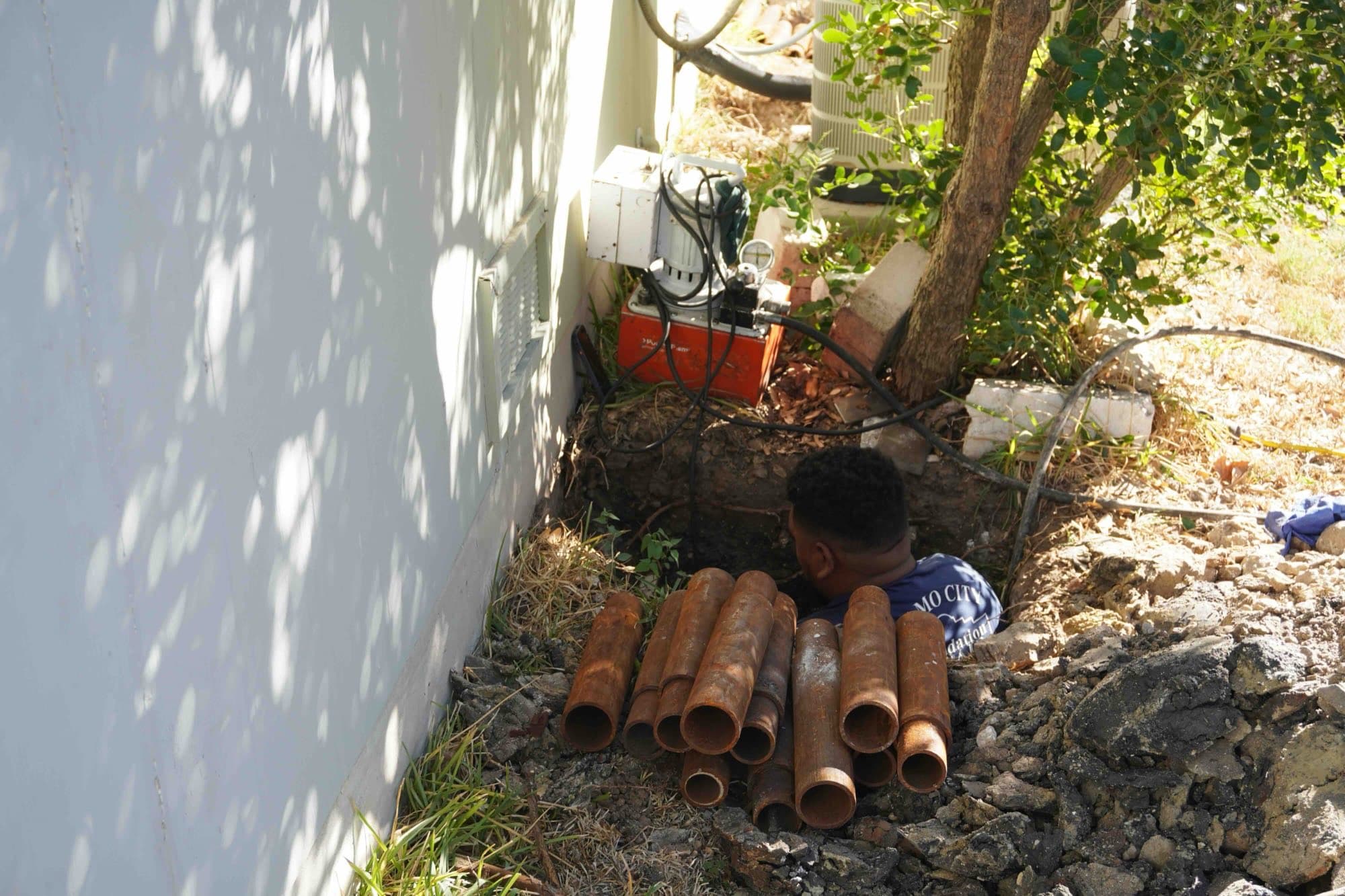
Water Jetting in San Antonio
Water jetting is a pier installation technique used when the soil calls for it. Above All uses it to place piers with precision rather than applying one installation method to every property.
Learn more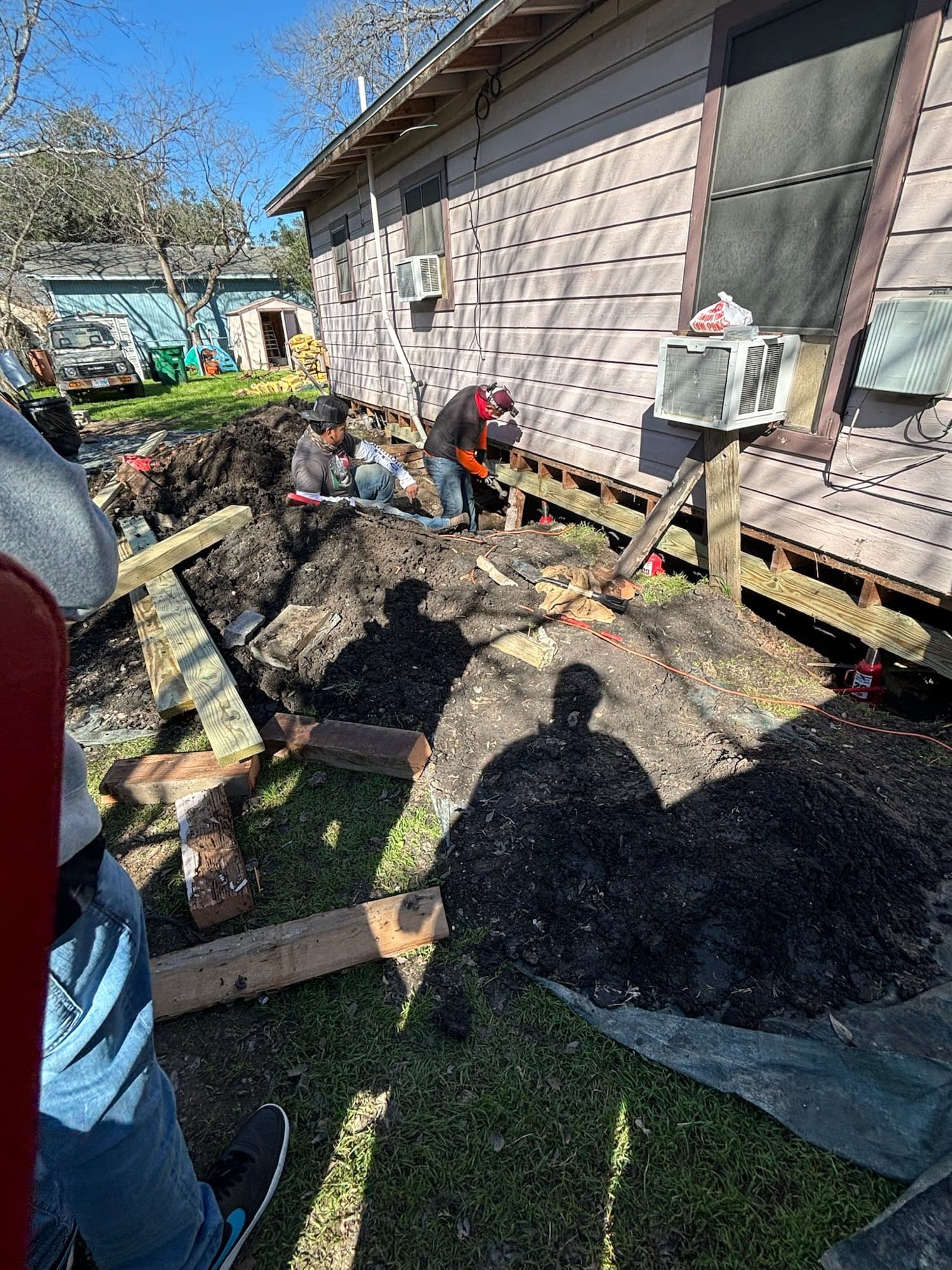
Pier and Beam Repair in San Antonio
Pier and beam repair may address damaged piers, beams, joists, posts, shims, and other crawl-space support components. The necessary repairs depend on component condition, moisture, settlement, and how the home is carrying its weight.
Learn more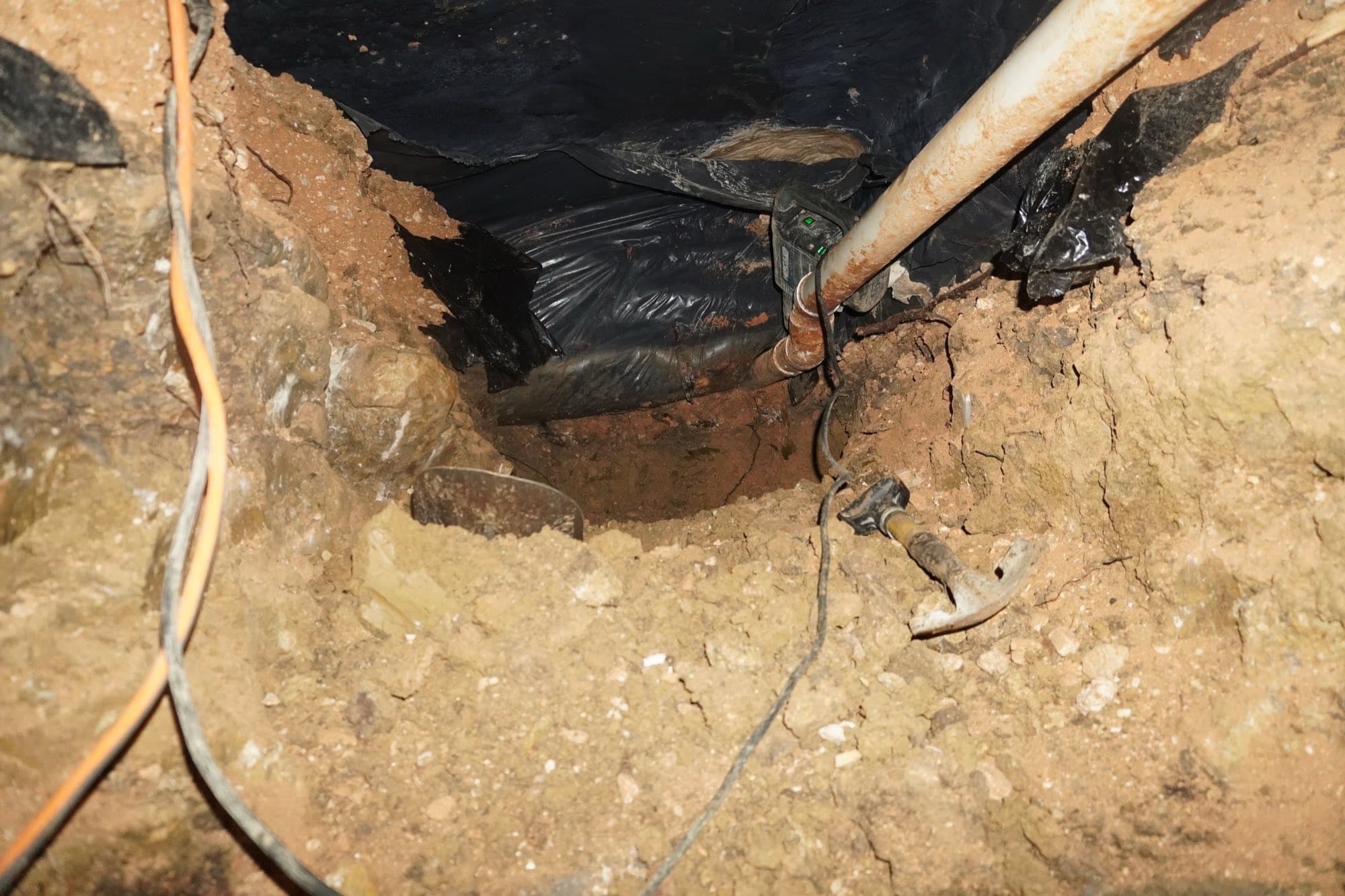
Underground Tunneling in San Antonio
Underground tunneling provides access beneath a slab for qualifying foundation, plumbing, drainage, soil-stabilization, or utility work while helping limit interior disruption.
Learn more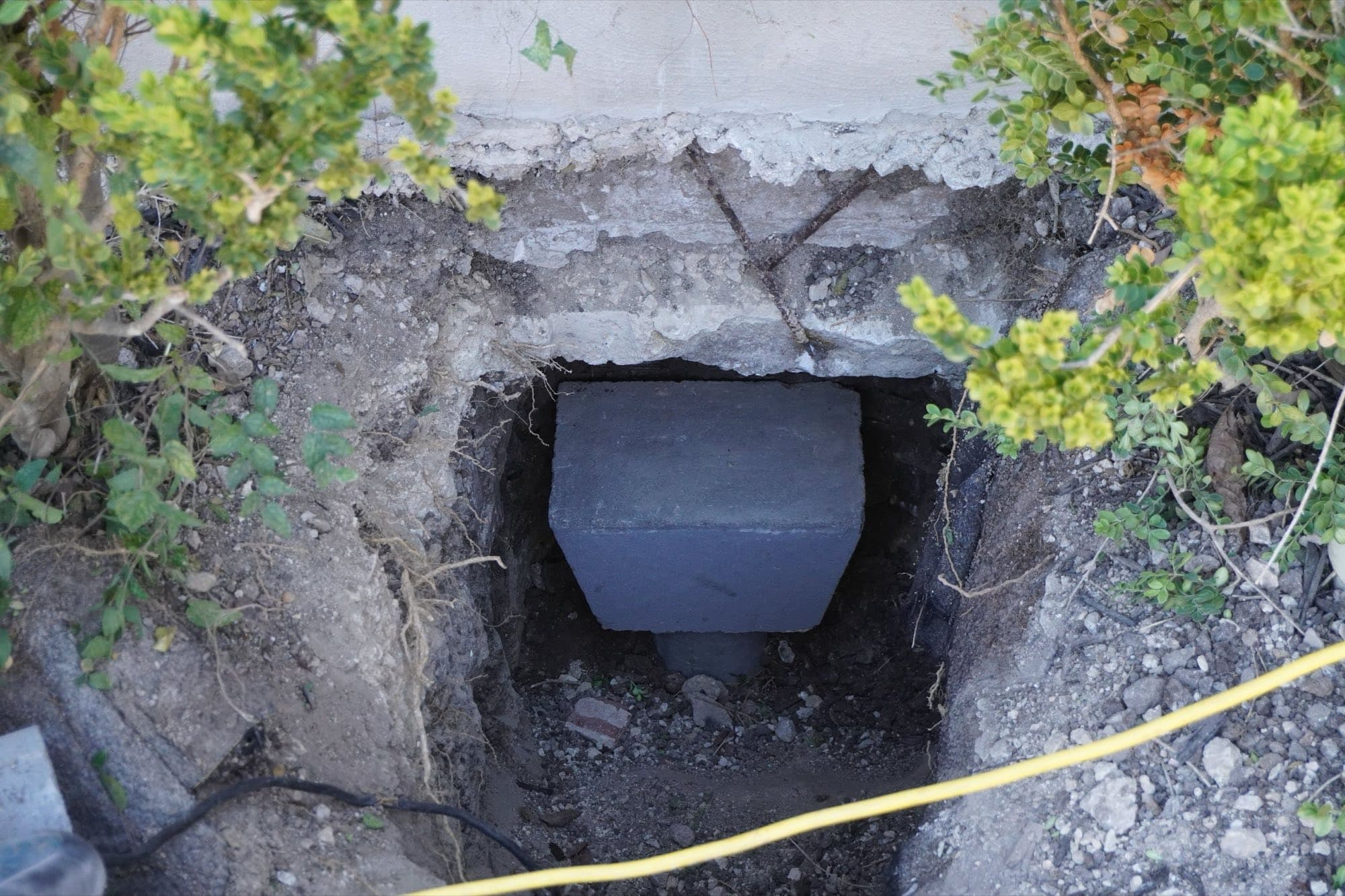
Concrete Slab Repair and Leveling in San Antonio
Slab foundation repair stabilizes qualifying concrete foundations affected by settlement, cracking, voids, or uneven support. The repair plan may involve controlled concrete leveling, steel pier support, or another method supported by the inspection findings.
Learn more
Why San Antonio Homes Develop Foundation Problems
San Antonio properties can face different foundation challenges depending on soil, fill, drainage, plumbing, construction, and moisture conditions. Two nearby homes may behave differently because the support beneath them is not identical.
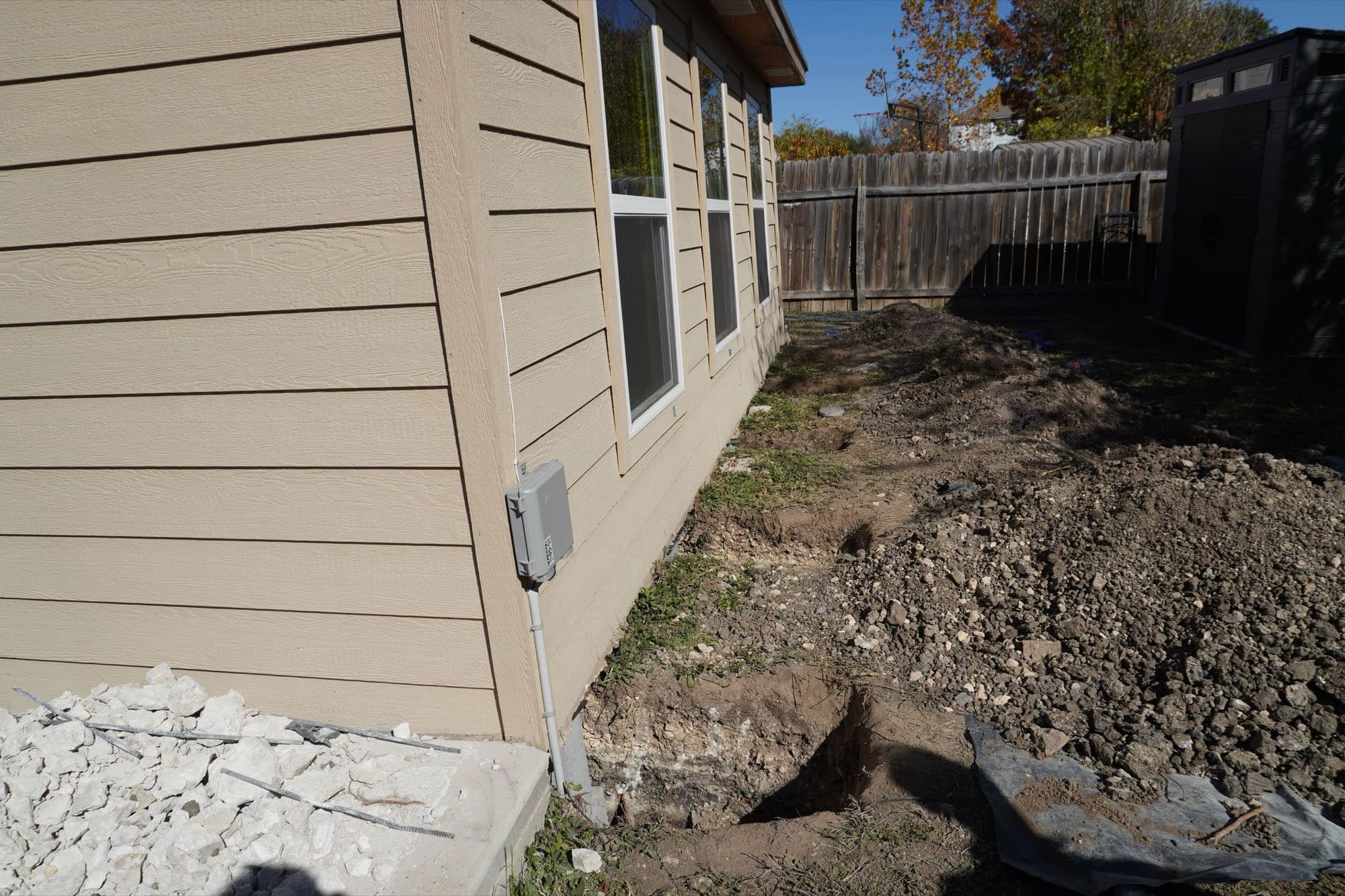
Expansive Clay Soils
Clay soils can expand as they absorb moisture and contract as they dry. Repeated swelling and shrinking may change the amount of support beneath different parts of a foundation.
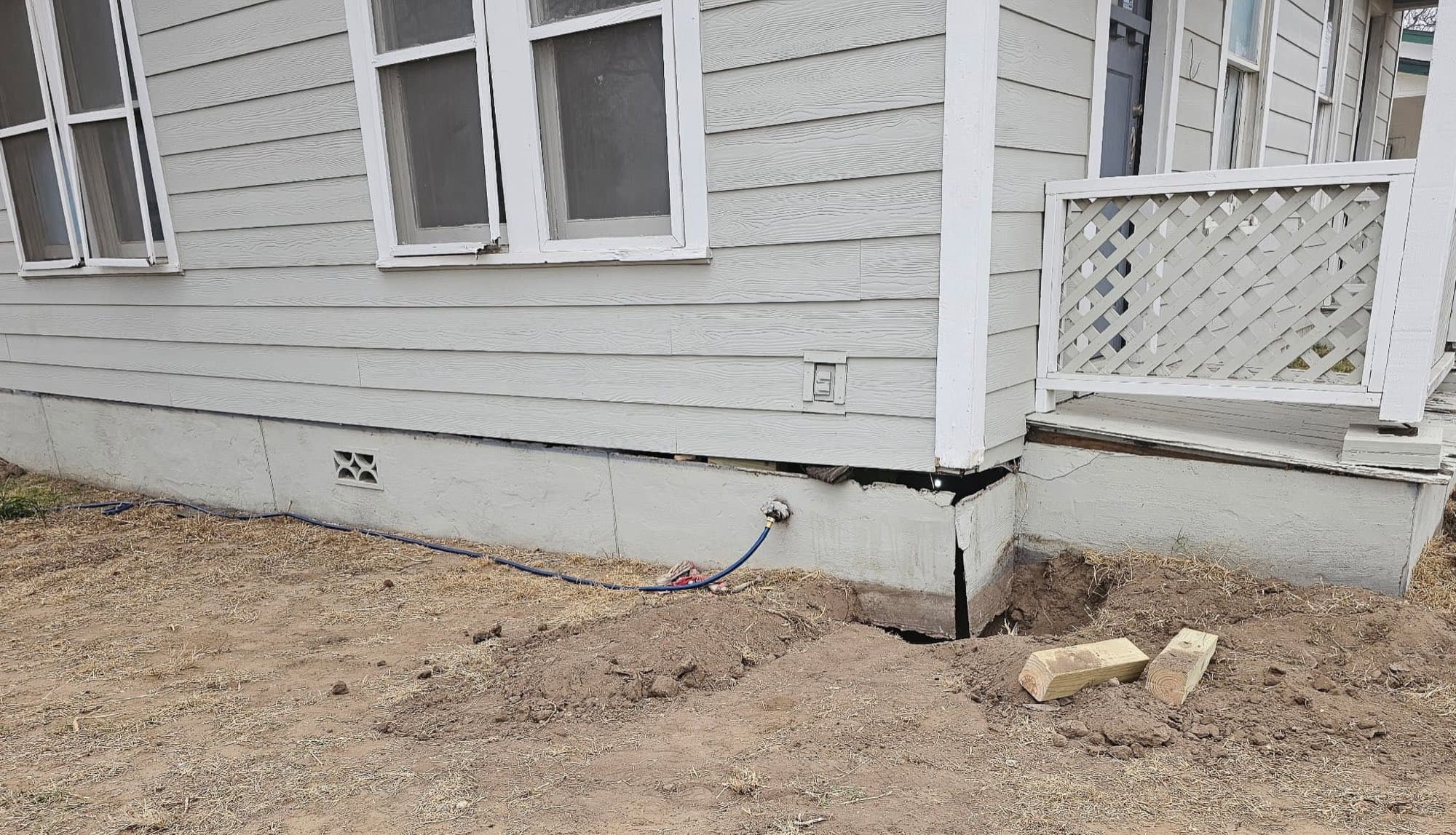
Drought and Changing Moisture Conditions
Extended dry periods can cause moisture-sensitive soil to shrink and pull away from the foundation. Rainfall or irrigation may then reintroduce moisture unevenly, causing different parts of the structure to respond differently.
Variable Soil, Fill, and Rock Support
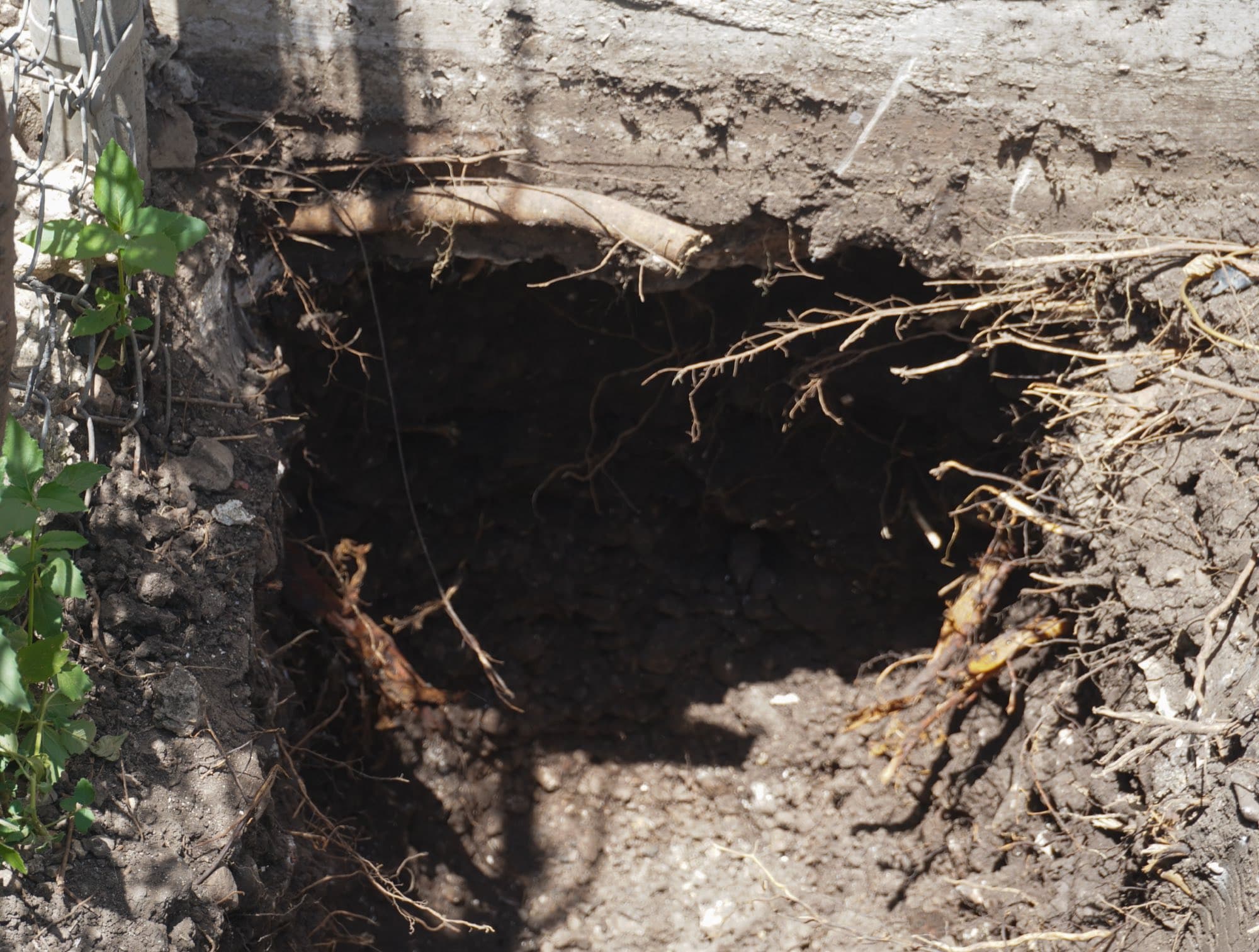
Subsurface conditions vary throughout San Antonio and Bexar County. One property may have deeper clay, while another may have fill material, shallow rock, prior grading, or different drainage conditions.
Plumbing and Under-Slab Leaks
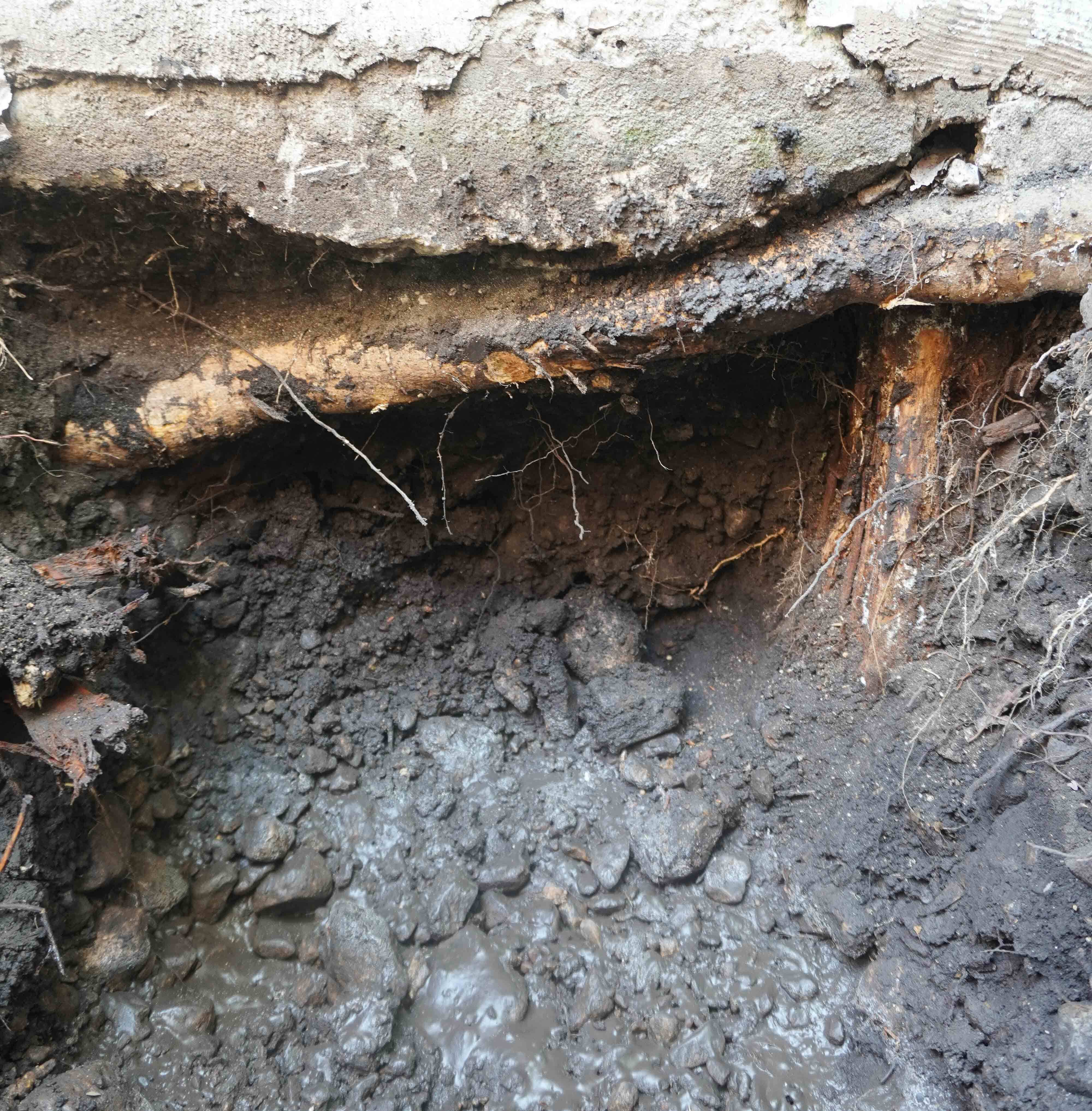
A leaking supply or drain line beneath or near a slab may add moisture to a concentrated area, alter supporting soil, contribute to erosion, or reduce support. Foundation symptoms and suspected plumbing issues should be evaluated together.
Aging Pier and Beam Components
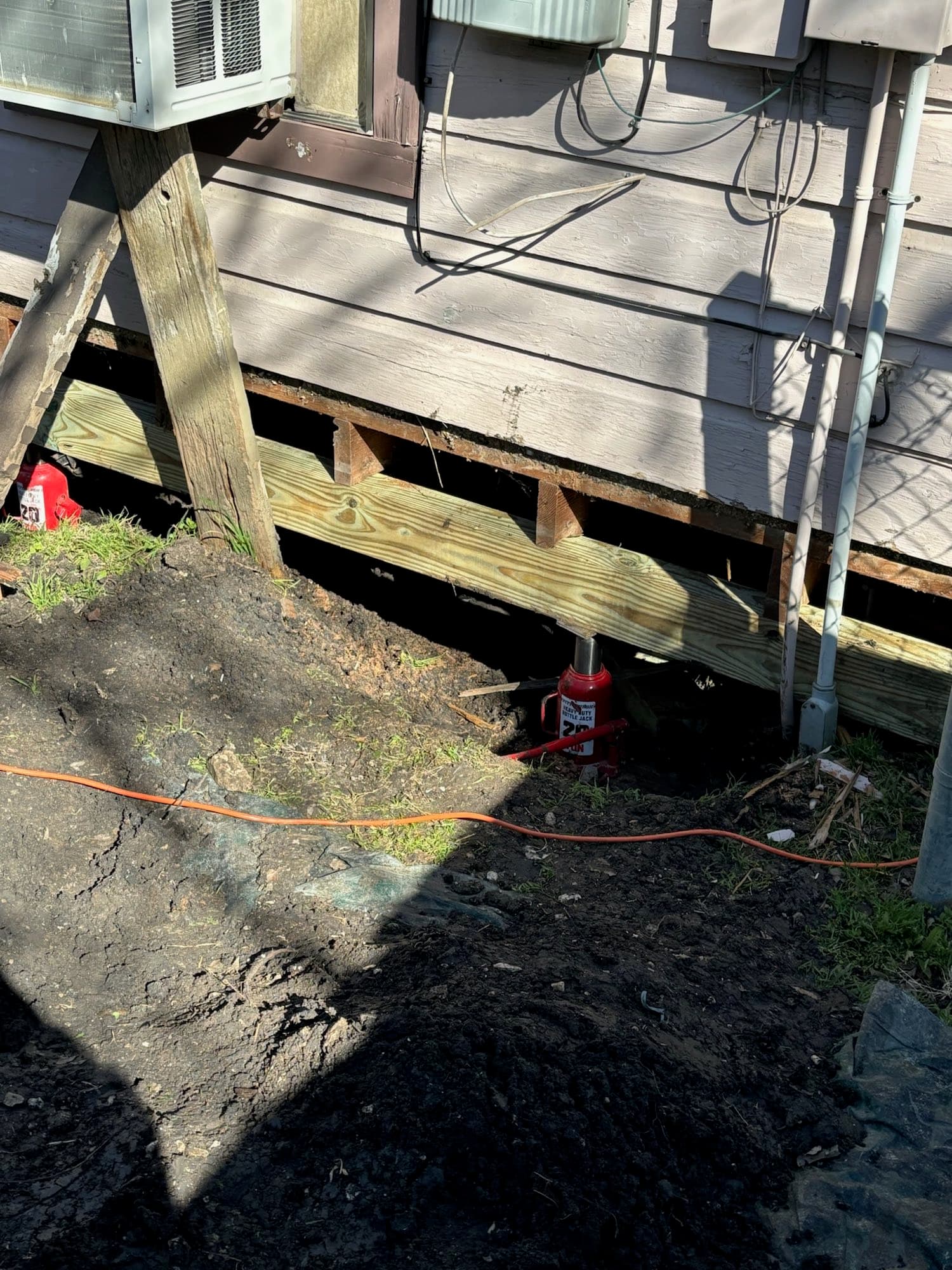
In pier-and-beam homes, wood deterioration, damaged joists, shifting piers, weakened beams, compressed shims, and crawl-space moisture can contribute to sagging or uneven floors.
Trees and Landscaping
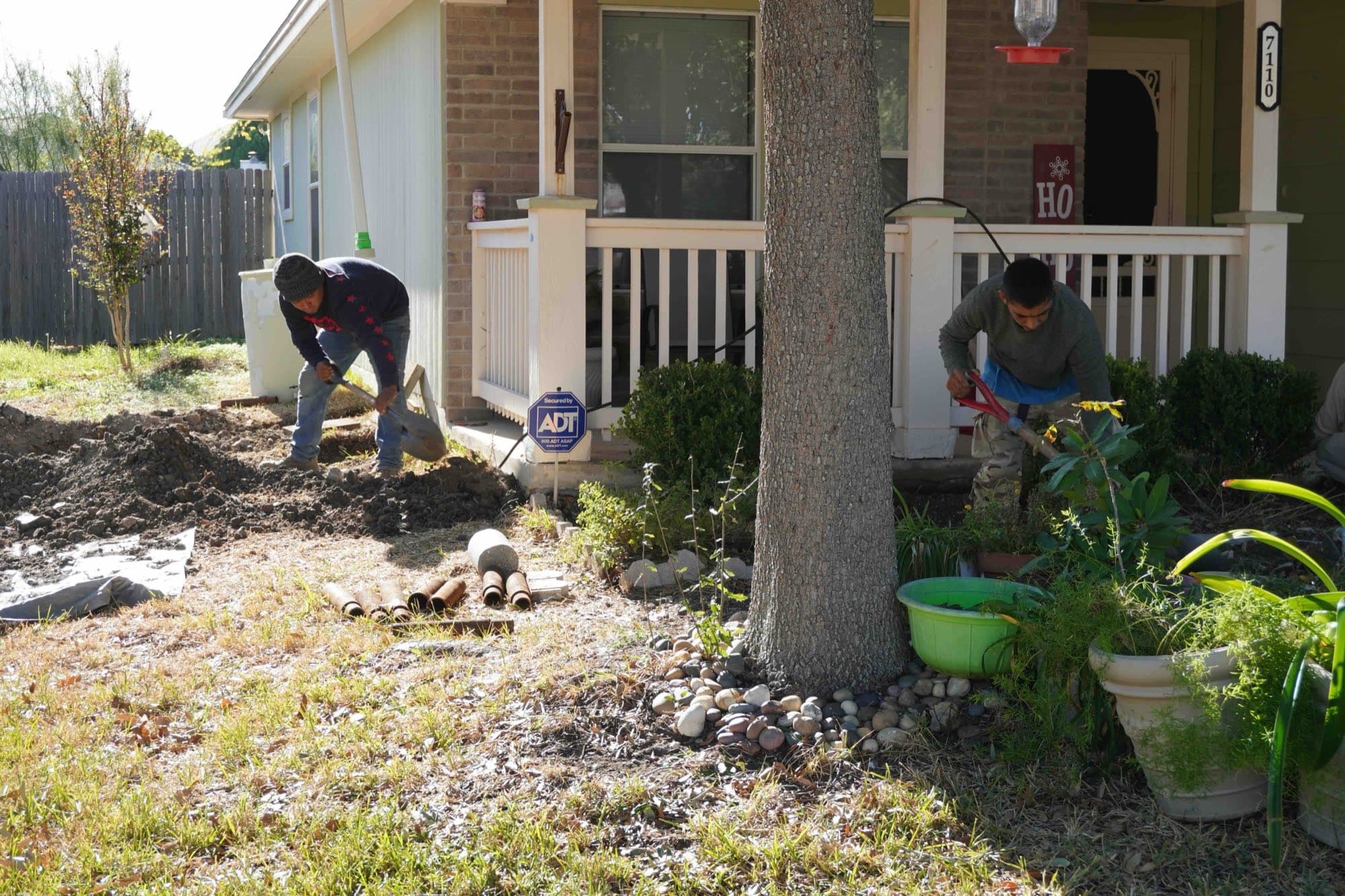
Large trees and landscaping may influence moisture near a home. Roots can compete for water, affect drainage, or interfere with nearby flatwork and utility lines.
What Does Foundation Repair Cost in San Antonio in 2026?
Foundation repair costs in San Antonio vary because every home has a different foundation system, movement pattern, repair scope, and access condition. A limited repair affecting one area of a home will not carry the same cost as a multi-side stabilization project, extensive pier-and-beam restoration, or work requiring under-slab access.
Published 2026 consumer cost guides place many residential foundation repair projects within a broad national range of approximately $2,225 to $8,135. More extensive settlement repair, pier installation, structural leveling, or underpinning may cost substantially more.
| Repair condition or scope | General published market benchmark |
|---|---|
| Individual nonstructural crack repair | Approximately $250–$800 per crack |
| Limited foundation leveling or stabilization | Approximately $1,000–$10,000 |
| Settling or sinking foundation repair | Approximately $4,500–$20,000 |
| Pier-and-beam foundation repair | Approximately $800–$25,000 |
| Underpinning or foundation pier work | Approximately $10,000–$20,000+ |
| Extensive structural repair | May reach $20,000 or more |
These figures are general national planning benchmarks, not an Above All Foundation Repair price list or a guaranteed estimate for a San Antonio property. The lower end of a published range may reflect limited crack, shim, or leveling work, while the upper end may involve multiple support points, difficult access, damaged structural components, or extensive stabilization.
Request a complimentary foundation inspection and project-specific estimate in San Antonio: (210) 750-6295
San Antonio neighborhoods we serve
We work throughout San Antonio and the surrounding communities. If you do not see your neighborhood listed, call us. There is a good chance we are already working nearby.
- Alamo Ranch
- Stone Oak
- Helotes
- Braun Station
- Great Northwest
- Encino Park
- Wortham Oaks
- Rogers Ranch
- Canyon Springs
- Woodlake
- Windcrest
- Live Oak
- Universal City
- Redbird Ranch
- Westcreek
- Bella Vista

Our Customer's Testimonials
160 reviews on Google
Gave me a fair price and did an honest job.
Above All Foundation Repair did my pier and beam home. I had lots of rotten wood and needed 56 new concrete piers. I can feel the difference in my home.
I'm writing this review about Above All to thank the men that worked on our home. They were very hard workers. I don't know if they ever took a lunch.
Gave me a fair price and did an honest job.
Above All Foundation Repair did my pier and beam home. I had lots of rotten wood and needed 56 new concrete piers. I can feel the difference in my home.
I'm writing this review about Above All to thank the men that worked on our home. They were very hard workers. I don't know if they ever took a lunch.
Frequently asked questions
Do you repair both slab and pier-and-beam foundations in San Antonio?
Yes. Above All Foundation Repair works with concrete slab and pier-and-beam or crawl space foundations throughout San Antonio and the greater San Antonio area. Each requires a different inspection and repair approach because its structural components, access conditions, and load-support systems differ.
What soil and site conditions can affect foundations in San Antonio?
Foundation performance in San Antonio can be influenced by expansive clay soils, where present, natural soil variation, imported fill, shallow rock, grading, drainage, and prior site preparation. Conditions may differ between nearby properties and across the same lot. Because soil and site conditions are not uniform, the repair method should be based on property-specific findings rather than a citywide assumption.
What causes foundation settlement?
Foundation settlement can result from several conditions, including moisture changes, drainage problems, plumbing leaks, erosion, poorly compacted fill, and uneven soil support. Where expansive clay soils are present, repeated wetting and drying may also contribute to movement. In pier-and-beam homes, damaged wood, shifting piers, compressed shims, or crawl-space moisture may affect how the structure is supported. An inspection and elevation measurements are needed to evaluate the likely cause.
What is foundation leveling?
Foundation leveling is the controlled process of improving uneven elevations and structural support where conditions allow. Depending on the home, the work may involve slab foundation stabilization, steel piers, adjustment of pier-and-beam supports, or another method supported by the inspection findings. Leveling does not always return every part of a home to an assumed original position. The goal and achievable correction depend on the structure, movement pattern, condition of connected materials, and approved repair plan.
What are the signs of foundation problems?
Possible warning signs include cracks that widen, reopen, or shift; stair-step cracks in brick or masonry; cracked walls near doors or windows; several stuck doors and windows; dipping, sloping, or uneven floors; gaps around walls, trim, cabinets, or openings; separation between walls, ceilings, or floors; and crawl-space moisture or damaged support components. One symptom alone does not confirm that structural repair is necessary. Several related or changing signs deserve closer evaluation.
Does every foundation crack require structural repair?
No. Cracks may result from material shrinkage, temperature changes, aging, installation conditions, or structural movement. Their location, direction, progression, and relationship to other symptoms help determine whether further evaluation is appropriate.
How do I know whether my foundation problem is serious?
A single crack, a sticking door, or an uneven area does not prove that structural repair is needed. Greater concern may be warranted when several symptoms appear together, continue changing, or affect the same part of the home. An inspection and elevation measurements can help determine whether the overall pattern suggests foundation movement.
How soon should I schedule an inspection after noticing a crack?
Schedule an inspection when a crack widens, reopens, shifts, or appears alongside other symptoms such as sticking doors, uneven floors, masonry separation, or gaps around walls and windows. Small, unchanged cracks can be photographed and monitored, but appearance alone cannot confirm whether the foundation is stable.
What happens during a foundation inspection?
The inspection may include a review of accessible interior and exterior areas, visible cracks, floors, doors, windows, drainage conditions, foundation components, and crawl-space areas where applicable. Elevation measurements can help identify areas that may be higher or lower than the rest of the structure. The findings are then used to explain whether repair appears necessary and which method may fit the property.
Can plumbing leaks cause foundation problems?
Yes. A leaking supply or drain line can introduce moisture beneath or beside a slab. That moisture may change soil conditions, contribute to erosion, or reduce support in affected areas. Plumbing concerns and foundation symptoms should be evaluated together when both are present.
Can poor drainage affect my foundation?
Yes. Improper grading, short downspouts, low areas, irrigation, and concentrated runoff can allow constant water pooling near the foundation. Repeated soil saturation may soften or erode the supporting soil. Drainage improvements may help address contributing moisture conditions, but they do not replace structural repair when foundation movement has already occurred.
Are steel piers right for every foundation repair?
No. Steel piers may be appropriate when structural loads need to be transferred to deeper support, but they are not the right solution for every property. Foundation type, soil conditions, movement pattern, access, and inspection findings all influence the recommended repair method.
How do I choose a foundation repair company?
Look for a company that begins with an inspection and measurements rather than recommending a repair based on one visible symptom. The contractor should explain the findings, provide a clear written scope, describe the proposed repair method, and set realistic expectations about access, lifting, disruption, and restoration. Homeowners should also review verified experience, customer feedback, warranty terms, business credentials, and whether the company regularly works with the home's foundation type.
Can I remain in my home during foundation repair?
Homeowners can often remain in the house during many projects. Noise, vibration, excavation, restricted access, utility work, and safety requirements may temporarily affect normal routines. The team will explain project-specific expectations before work begins.
Will foundation repair close every crack?
Not necessarily. Stabilizing or leveling the foundation may improve some gaps and separations, but drywall, masonry, tile, flooring, and trim may not return to their previous condition. Cosmetic repairs are generally considered after the structure responds to the foundation work.
How long does foundation repair take?
Timing depends on the foundation type, number and location of repair points, excavation requirements, access, weather, and under-slab conditions. Some residential repairs take several working days, while larger or more complex projects may take longer.
Will foundation repair damage my yard or flooring?
Some foundation repairs in San Antonio require exterior excavation that may temporarily affect soil, grass, landscaping, patios, or nearby surfaces. Interior access may affect flooring on qualifying projects. Underground tunneling can sometimes provide under-slab access while limiting interior disruption. Expected access points and restoration responsibilities should be explained before work begins.
Can a home experience foundation movement after repairs?
Foundation repair is intended to stabilize or improve the areas included in the approved repair plan. However, soil moisture, drainage, plumbing, weather, and structural conditions can change over time, and movement may later develop in other areas. Homeowners should follow the maintenance guidance provided for their property and monitor new or changing symptoms.