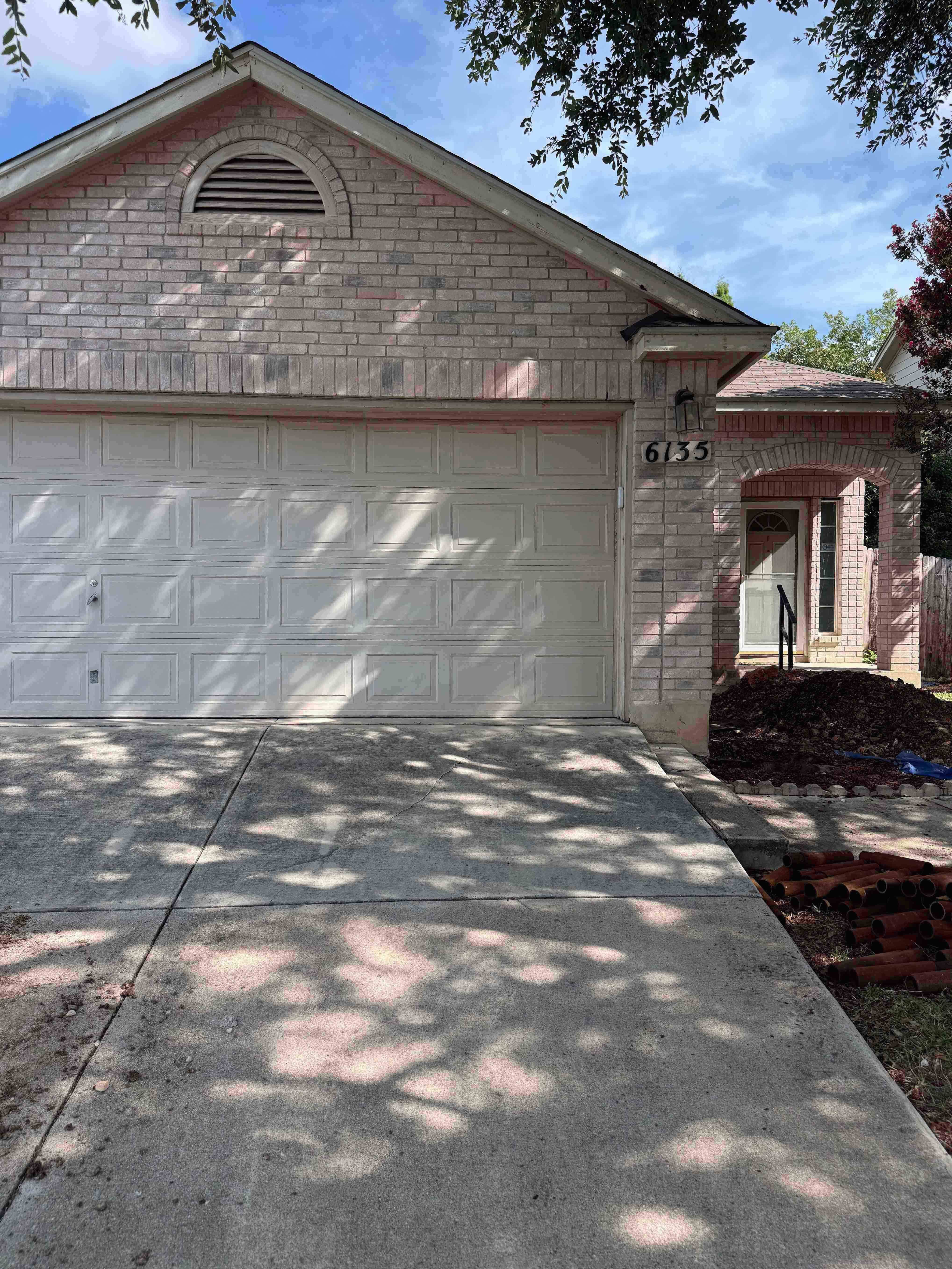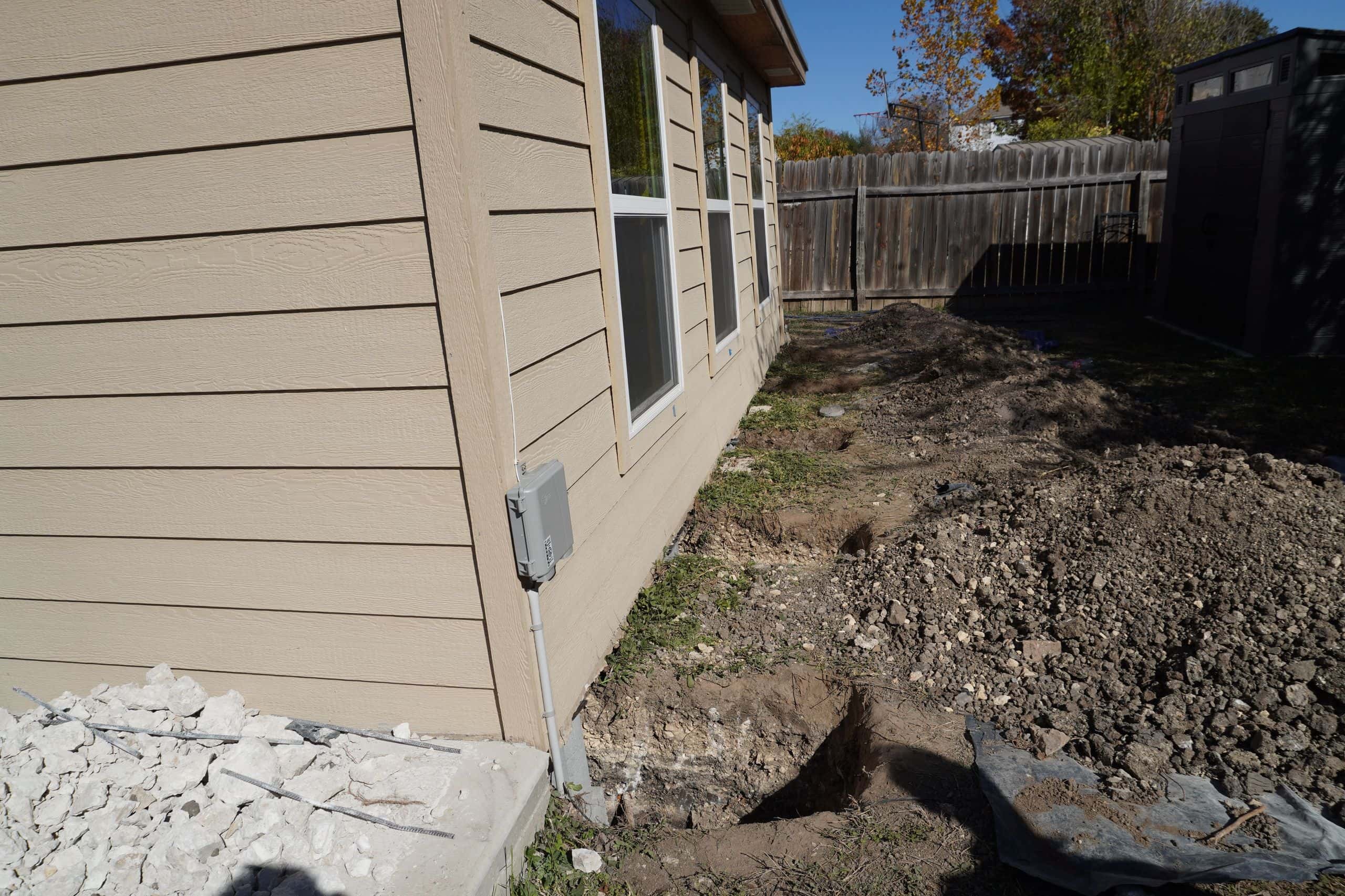

Expert Foundation Repair in Austin, TX for Lasting Home Stability
Foundation repair stabilizes and corrects a home when its foundation has settled, shifted, or lost even support. In Austin, movement may be influenced by expansive soils, changing moisture levels, poor drainage, plumbing issues, sloped lots, tree roots, or variable soil and rock conditions.
 Licensed & insured
 BBB A rating
 Written warrantyFree inspectionsLicensed & insuredBBB A ratingWritten warrantyFree inspections
Foundation Repair Services for Austin Homes
Above All Foundation Repair provides residential foundation repair services for slab-on-grade and pier-and-beam homes throughout Austin and Central Texas. The right solution depends on the foundation type, measured movement, access conditions, drainage, plumbing concerns, and the support provided by the soil underneath the home.
Our foundation services include:
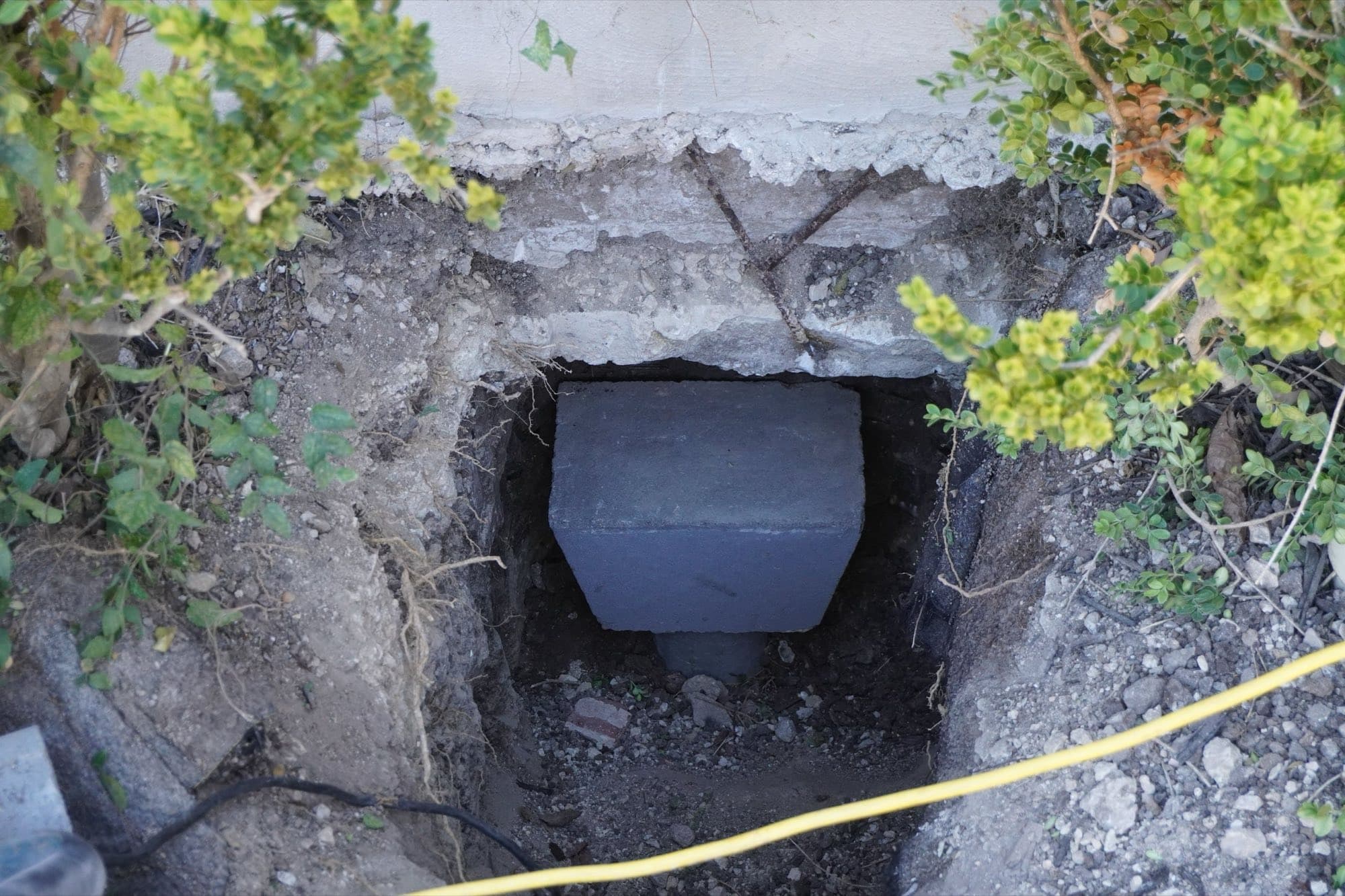
Slab Foundation Repair
Stabilizes qualifying concrete foundations affected by settlement, cracking, voids, or uneven support.
Learn more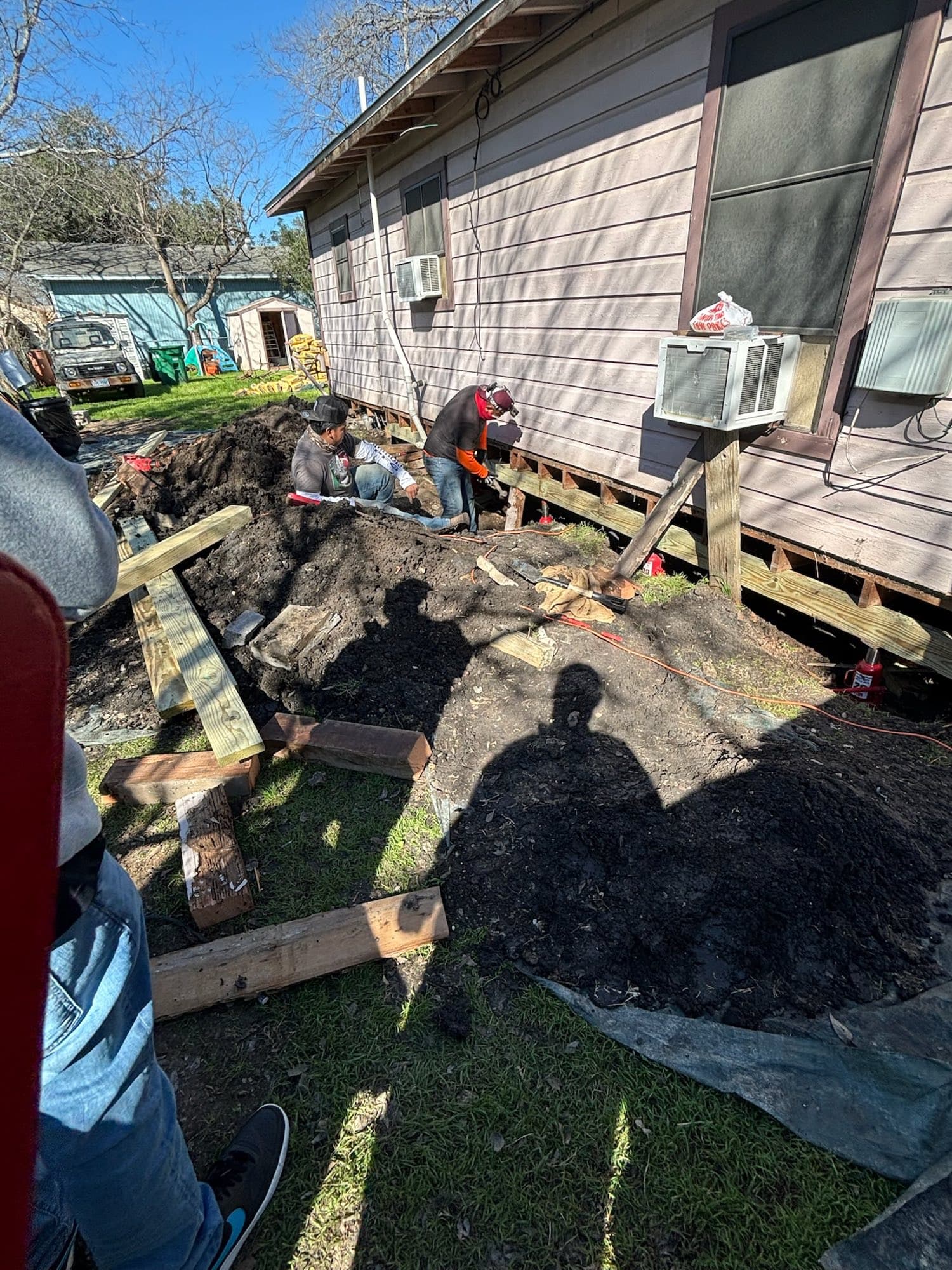
Pier and Beam Foundation Repair
May address damaged piers, beams, joists, posts, shims, or other crawl-space support components.
Learn more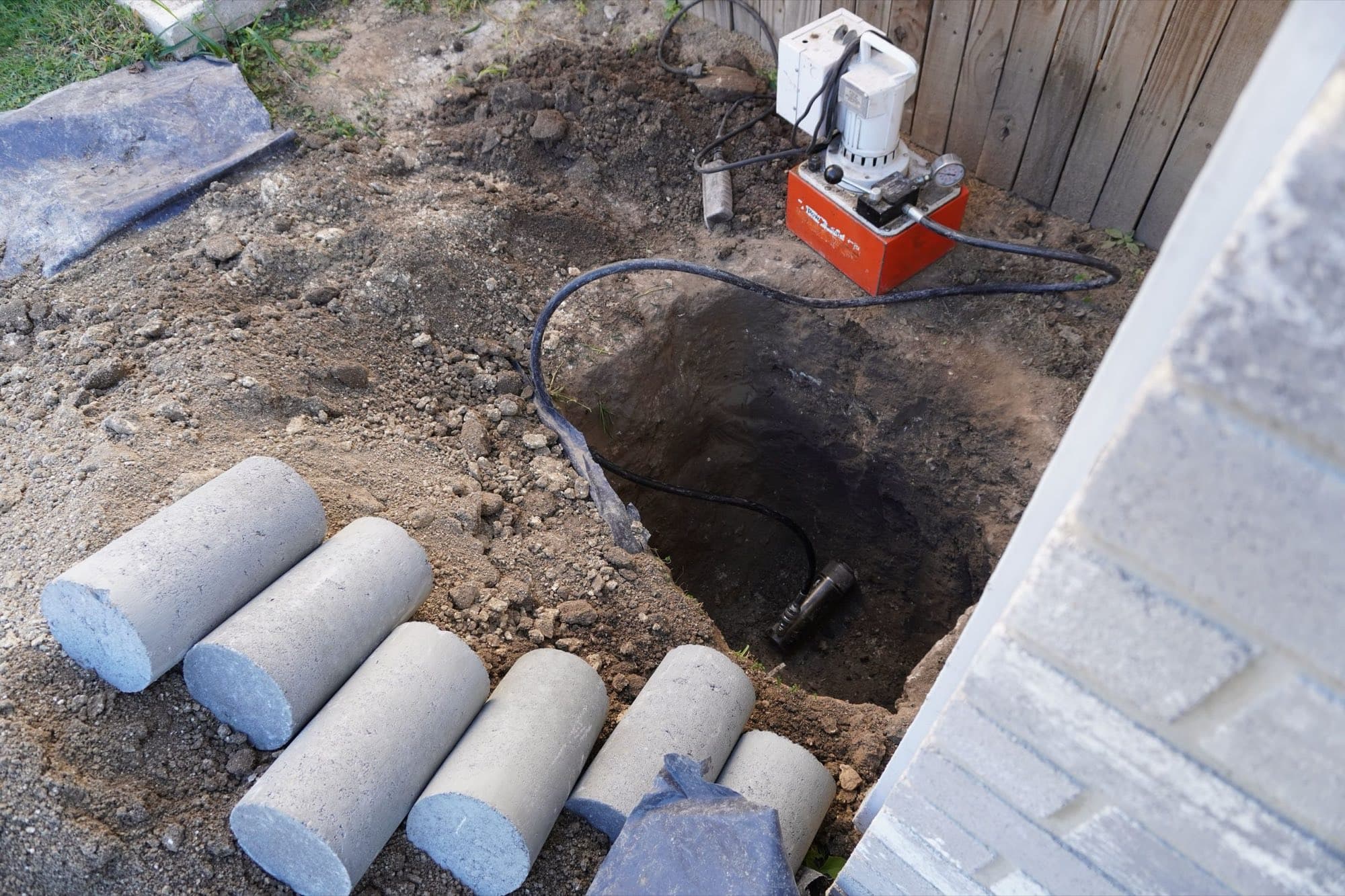
House Leveling and Concrete Leveling
Can correct uneven elevations where conditions allow while limiting unnecessary stress on connected building components.
Learn more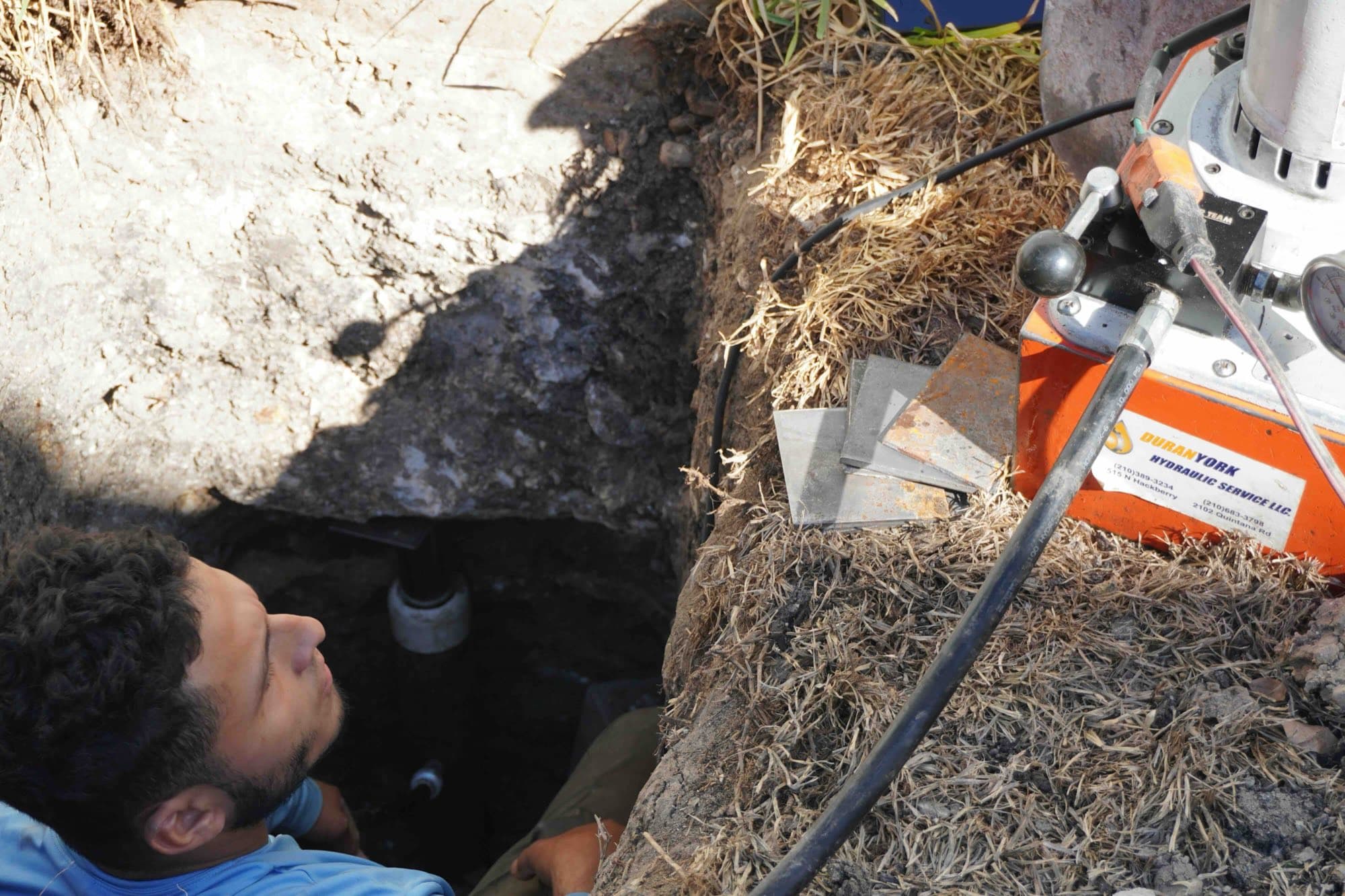
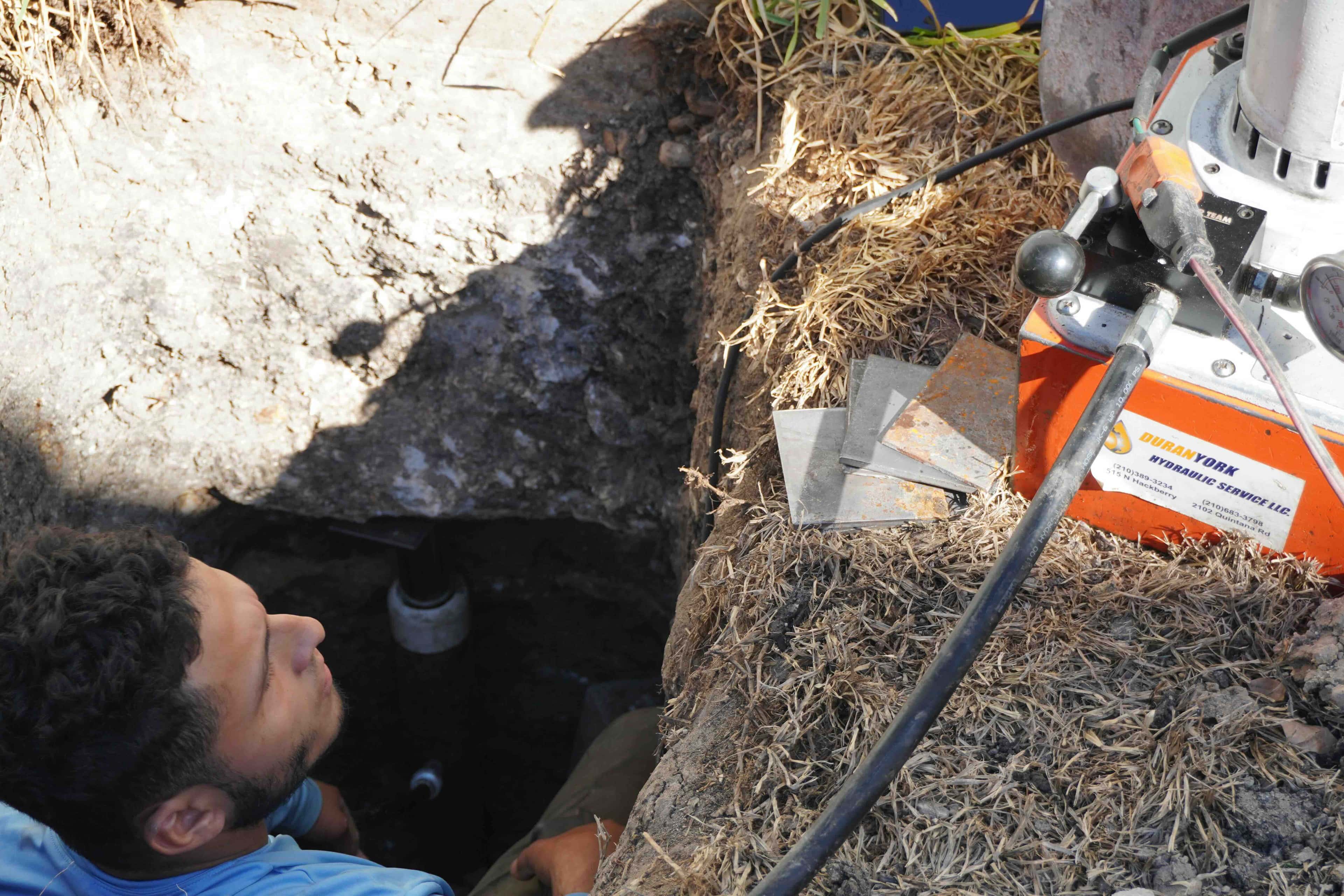
Steel Pier Installation
May transfer structural loads beyond unstable upper soils to deeper, more dependable support.
Learn more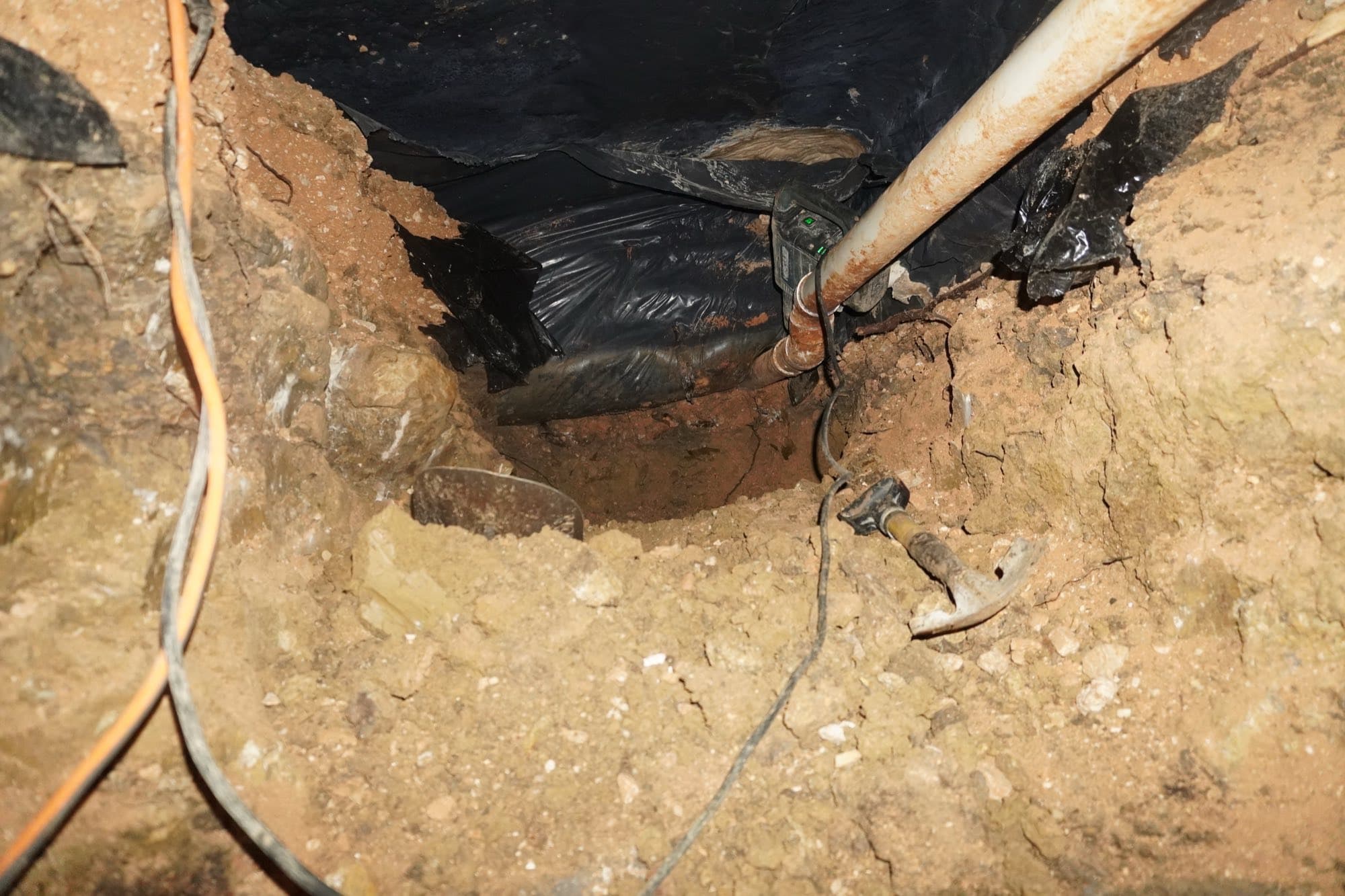
Underground Tunneling
Provides access beneath a slab for qualifying foundation, plumbing, drainage, soil stabilization, or utility work while helping limit interior disruption.
Learn more
Different foundation repair techniques address different conditions. A slab affected by unstable soil may require a different approach than a pier-and-beam home with weakened crawl-space supports. Reputable foundation repair companies should develop a comprehensive repair plan based on measurements, visible conditions, and the needs of the individual property.
As a locally owned Texas contractor, Above All uses its industry experience to provide tailored solutions for Austin homes affected by settlement, shifting soils, drainage concerns, and changing moisture conditions. A long-lasting solution begins with identifying the cause rather than covering one visible symptom.
How Does Foundation Repair Work?
Foundation repair follows a measured sequence from inspection through final verification. Accurate measurements help identify the movement pattern, evaluate the home's structural integrity, and determine which work is supported by the findings.
- Step 1
Inspect the Property
The process begins with a review of the homeowner's concerns and an inspection of accessible interior, exterior, foundation, drainage, and crawl-space areas.
- Step 2
Take Measurements and Evaluate the Movement
Elevation readings help identify areas that may be high, low, or moving differently from the rest of the structure. The team considers those readings alongside the foundation type, moisture, drainage, plumbing concerns, and visible damage.
- Step 3
Explain the Findings and Recommend a Repair
The homeowner receives a plain-language explanation of what was observed, whether a foundation problem or danger was found, and why a particular method may be appropriate. The findings are used to create a comprehensive repair plan for the affected areas, access requirements, and likely contributing conditions.
- Step 4
Prepare the Work Area
The crew confirms repair locations, prepares access points, and positions the necessary equipment while limiting avoidable disruption.
- Step 5
Stabilize or Level the Foundation
The approved repair method is completed while the structure is monitored carefully. When lifting is required, controlled equipment helps reduce unnecessary stress on the home.
- Step 6
Verify the Results and Complete the Project
The team reviews final measurements, compares the completed work with the planned scope, restores the work area as appropriate, and explains what was completed.
Clear communication from the contractor throughout the process is critical because it helps homeowners understand the work, expected results, and any recommended next steps.
Foundation repair should follow inspection, measurements, and a property-specific evaluation, not assumptions based on one visible crack.
Call Above All Foundation Repair for a free estimate: (210) 750-6295
What Affects Foundation Repair Cost in Austin?
Foundation repair in Austin is influenced by several key factors, each contributing to the overall cost depending on the specific circumstances of the project. Here are the main considerations:
- Foundation Type: The type of foundation, whether it is a concrete slab, crawl space foundation, or pier-and-beam home, dictates the kind of equipment, access, materials, and labor required. Slab foundation repair may differ significantly from pier and beam foundation projects.
- Extent of Movement: The degree and type of movement affecting the structure, such as differential settlement, plays a crucial role. Limited areas might need a different approach compared to widespread movement across the home.
- Number and Placement of Supports: The quantity and location of piers, such as steel piers or adjustable piers, impact cost. Whether supports are needed for sagging floors, cracks in walls, bowing walls, or other structural concerns will affect the pricing.
- Access Conditions: Features like patios, landscaping, plumbing lines, and crawl space clearance can affect labor intensity and access, impacting the project's cost.
- Related Damage: Damage to components like joists, beams, posts, or shims, as well as issues from plumbing leaks or clogged gutters, may necessitate additional repairs. Drainage correction may also be required to address water drainage problems.
- Repair Method: Techniques like house leveling with steel piers, slabjacking, or advanced foundation repair techniques each come with distinct requirements and affect pricing structures.
- Professional Services: Real estate foundation inspections, engineering consultations, permits, or other documentation may be needed, depending on local conditions or soil stabilization needs.
Above All Foundation Repair offers a comprehensive free assessment, including real estate foundation inspections, ensuring that the cost reflects the actual repair scope for your home in Central Texas. This helps homeowners receive tailored solutions rather than relying on generic estimates. With a strong emphasis on effective solutions for foundation problems, such as steel piers and drainage system improvements, families can rest assured that their home is in capable hands.
Why Foundations Move in Austin, TX
Foundation movement occurs when the support beneath a home changes or when structural components no longer distribute the building's weight evenly. Several property-specific conditions may contribute to foundation problems in Austin.
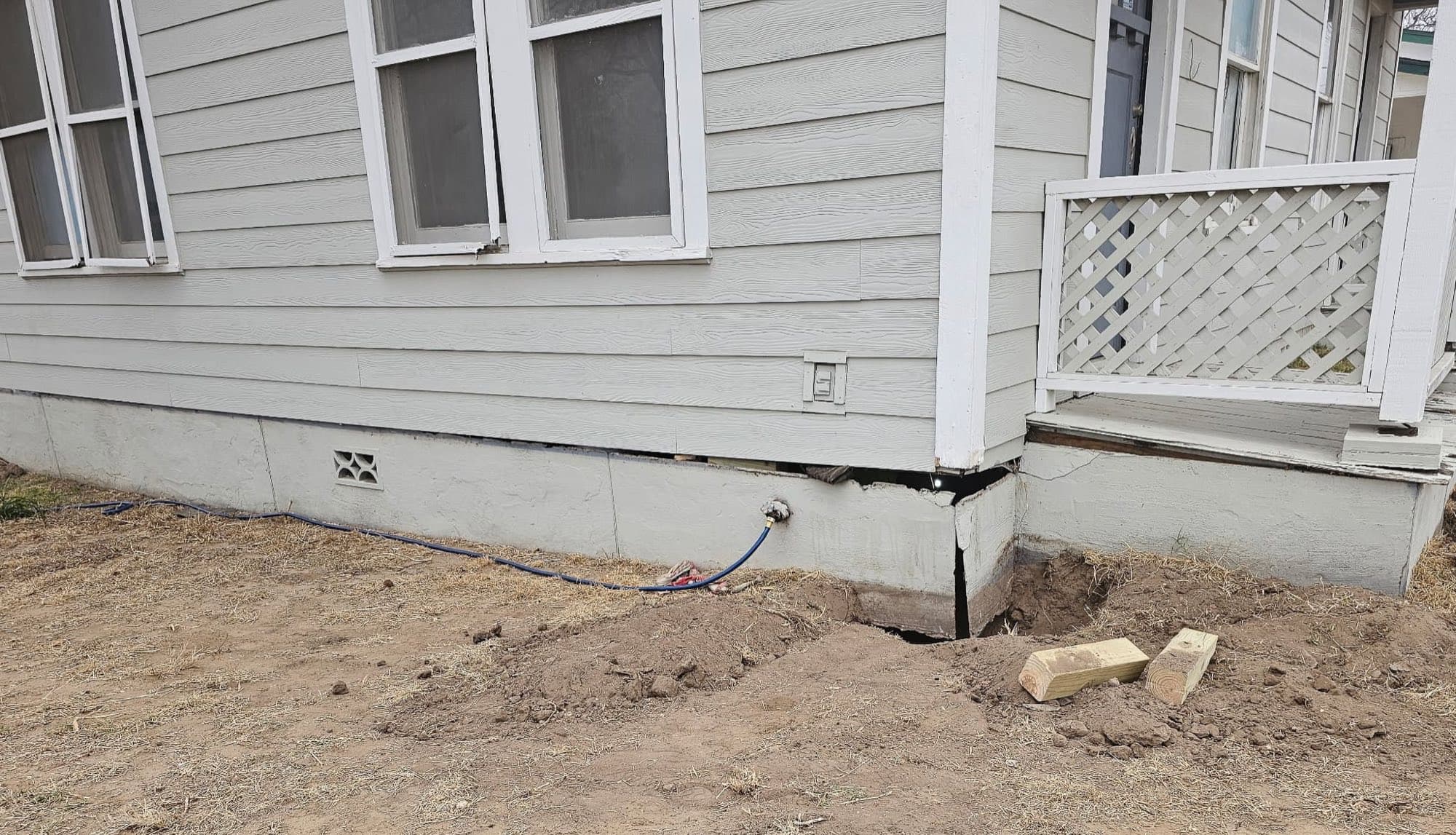
Changing Moisture Conditions
Rainfall, drought, irrigation, plumbing leaks, and drainage can change moisture levels around and beneath a home. Some soils, such as the expansive clay that's present all throughout Central and Eastern Texas, shrink as they dry and expand as they absorb water, creating uneven support and soil movement.
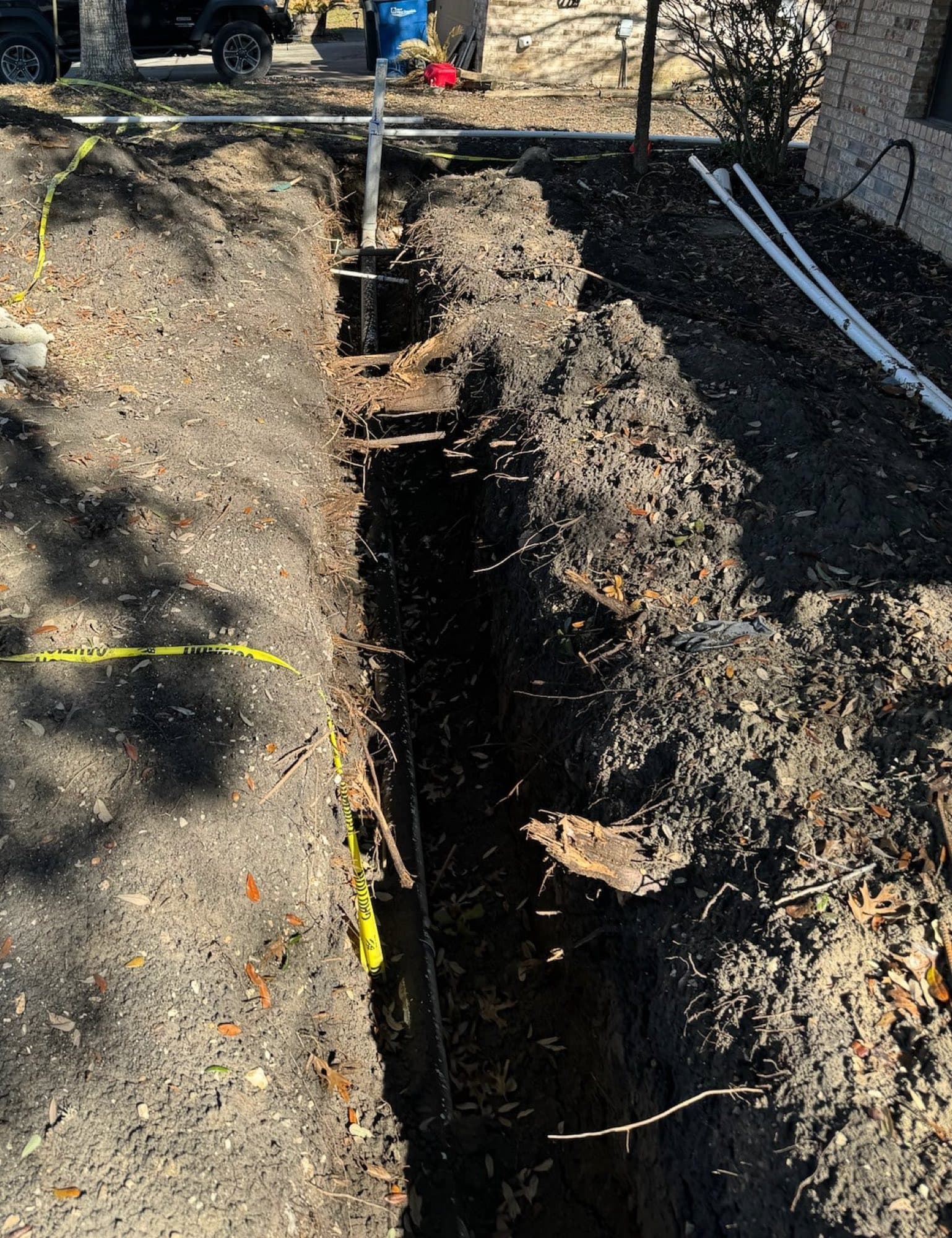
Drainage Around Sloped Properties
On a sloped lot, runoff may collect near one side of the home, wash supporting soil away, or create sharply different moisture conditions around the foundation. Gutters, grading, patios, retaining features, landscaping, downspouts, surface drains, and French drains can all affect where water travels. Poor drainage systems should be evaluated as part of the overall movement pattern.
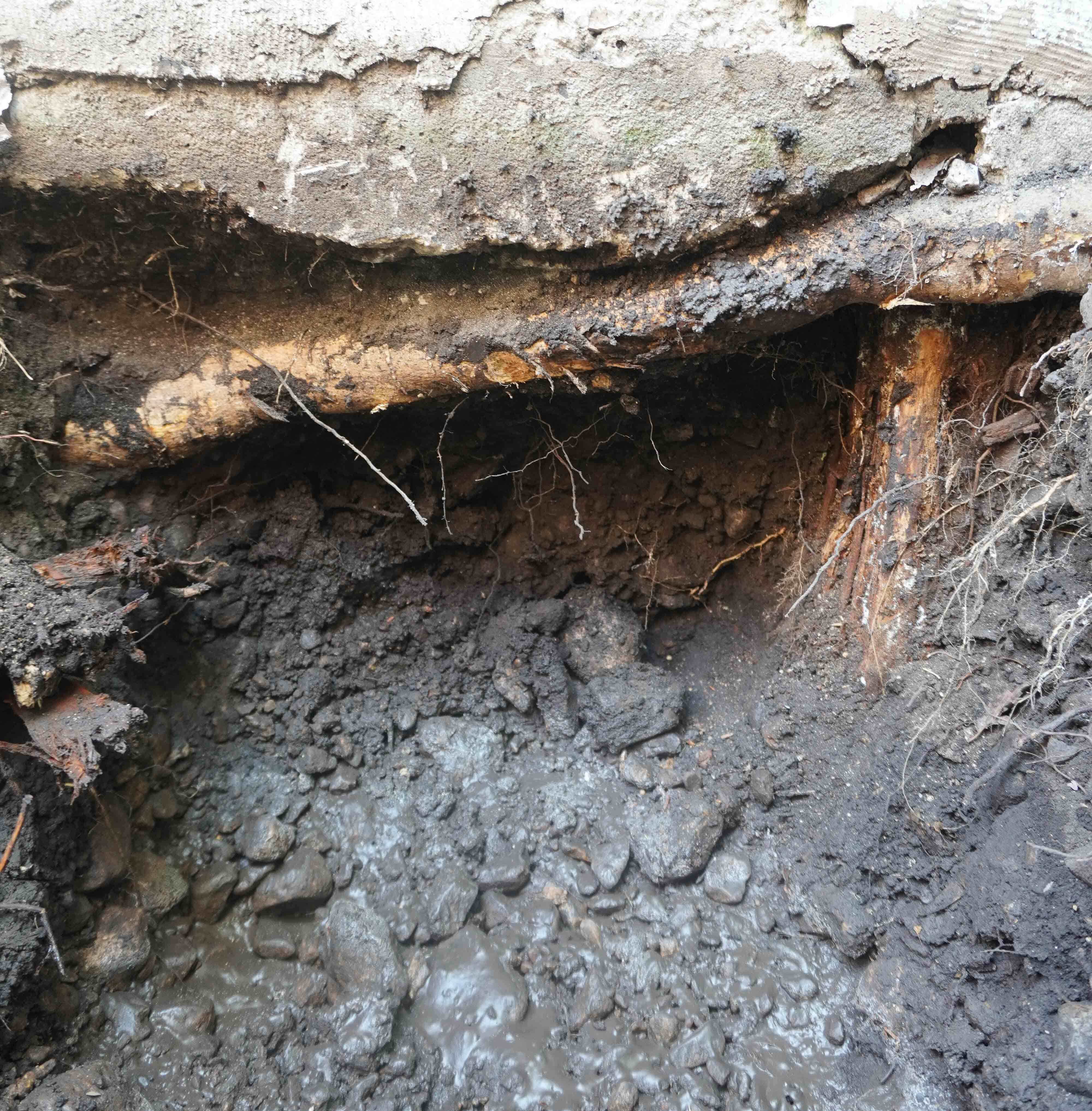
Plumbing and Under-Slab Leaks
A leaking pipe beneath or near a slab may repeatedly add moisture to a concentrated area, soften supporting soil, contribute to erosion, or reduce support. A repair plan should consider suspected plumbing issues alongside the structural symptoms because problems caused by a leak may continue after cosmetic cracks are repaired.
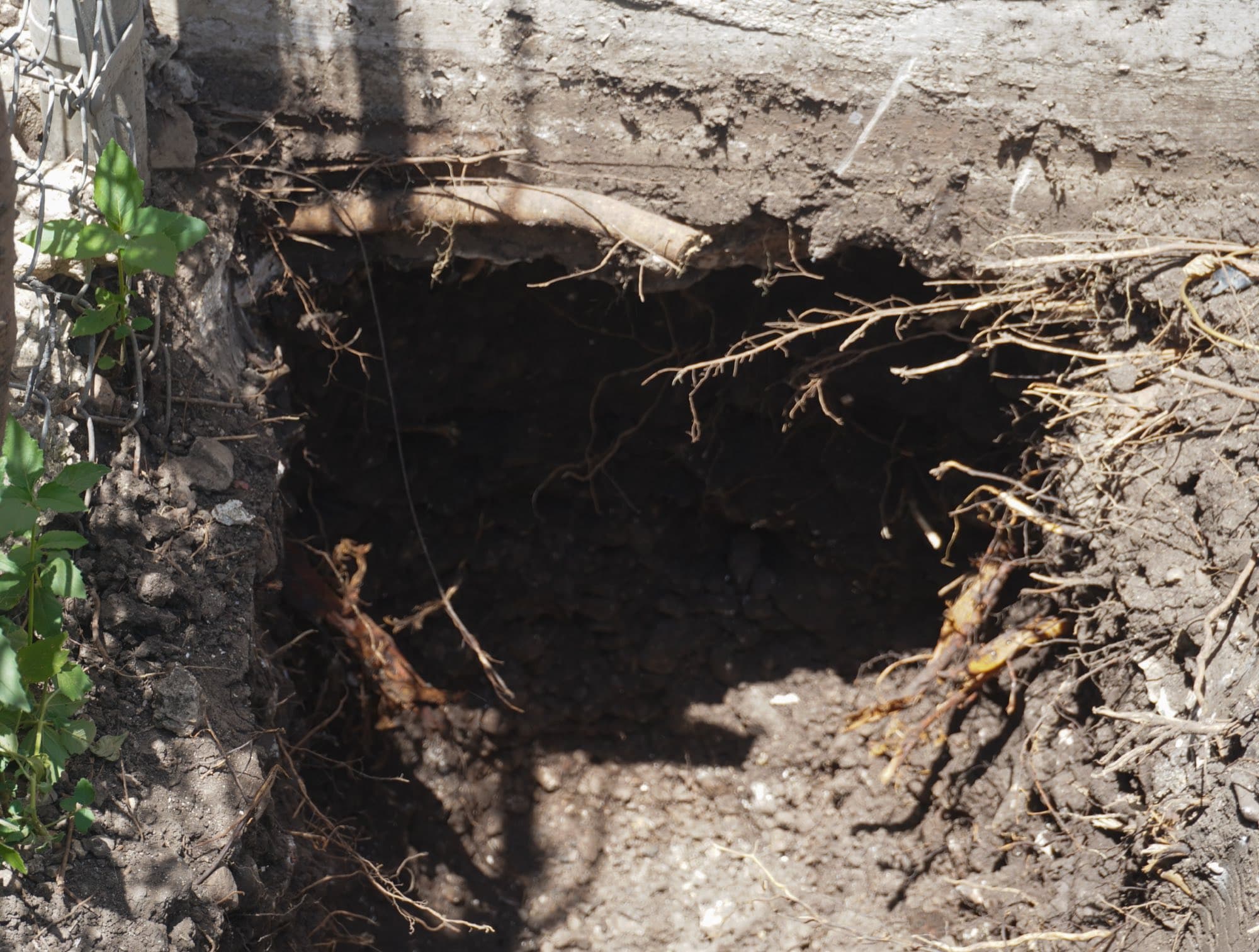
Variable Soil and Rock Support
Subsurface conditions can change across short distances. One property may have shallow rock, while another may have deeper soil, fill material, or different drainage conditions. Changes in the soil underneath one part of a home can cause it to respond differently from another part.
Aging Pier and Beam Components
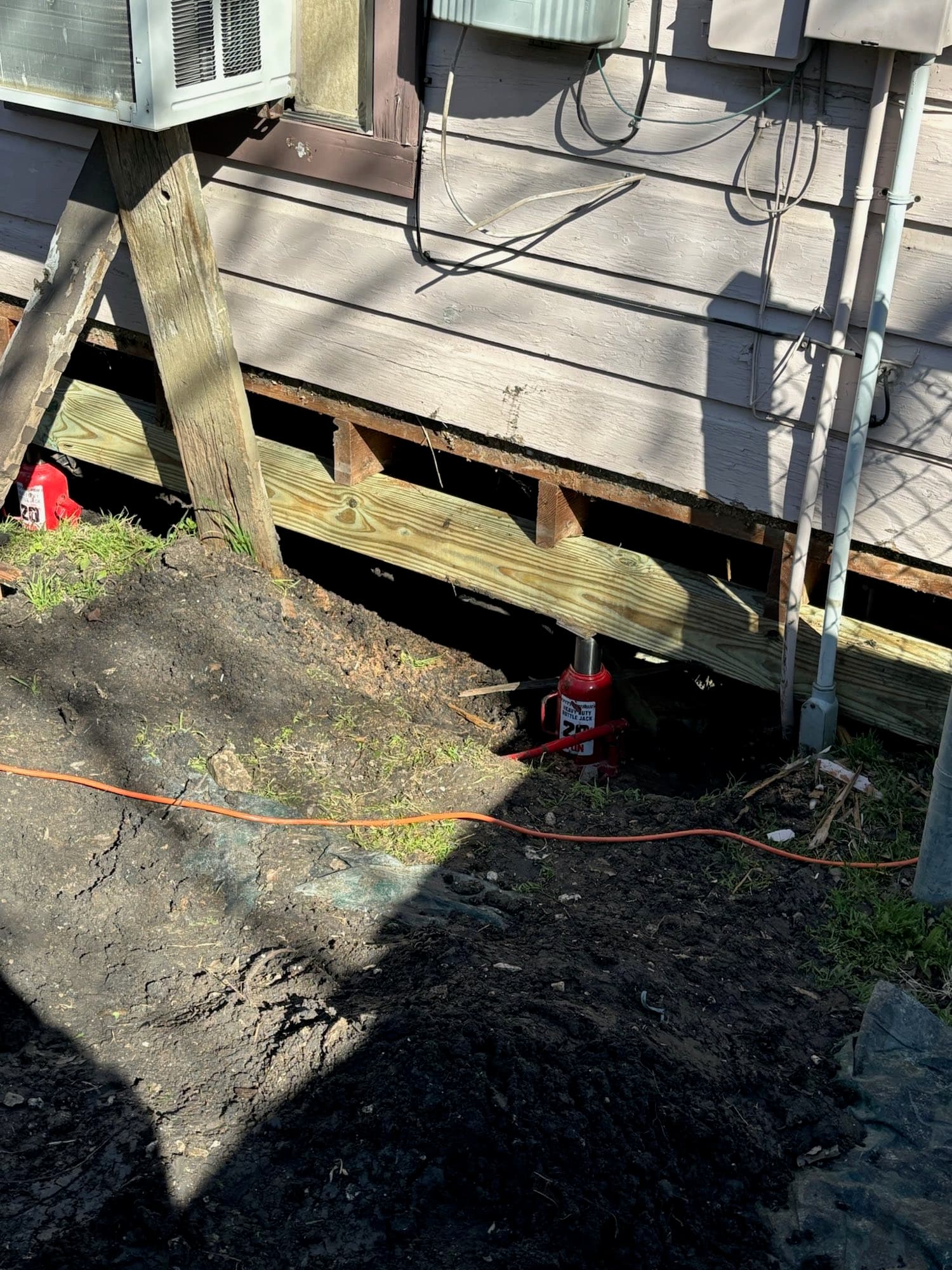
In pier-and-beam homes, wood deterioration, damaged joists, shifting piers, weakened beams, compressed shims, and crawl-space moisture can contribute to sagging or uneven floors.
Trees and Landscaping
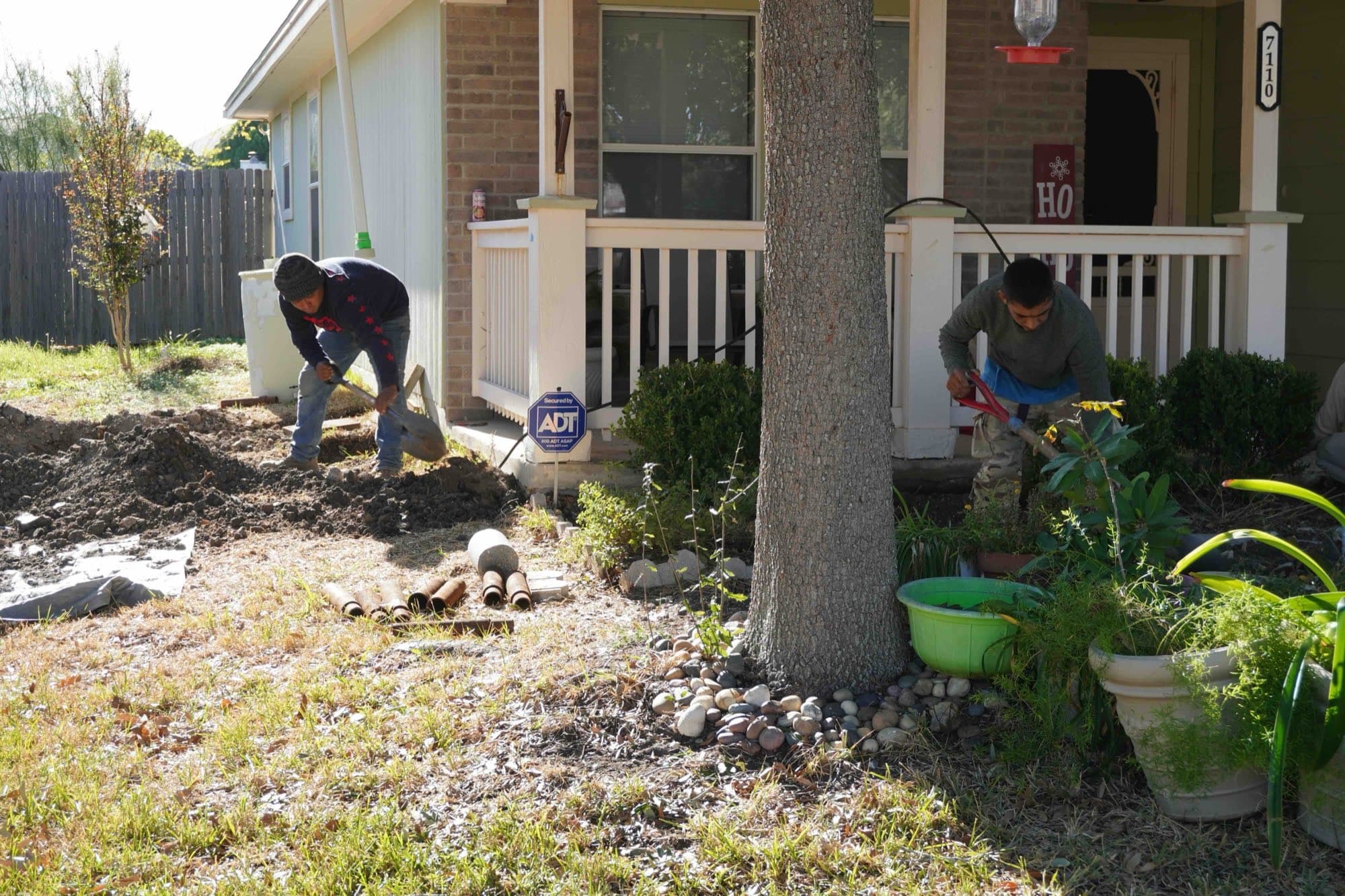
Tree roots can compete for moisture, interfere with drainage, or affect nearby flatwork and utility lines. Tree species, distance, irrigation, soil conditions, and the home's support system all matter.
Left unaddressed, water, tree roots, and changing soil conditions can begin wreaking havoc on drainage, plumbing lines, flatwork, and foundation support.
Signs Your Austin Home May Need a Foundation Inspection
One symptom does not automatically mean your home requires structural repair. Several related symptoms, measurable changes, or continued movement provide a stronger reason to schedule an evaluation.
Watch for:
- Recurring cracks in walls or ceilings: Cracks that reopen after cosmetic repair may indicate continued movement.
- Doors and windows that stick: Openings may bind when nearby framing shifts out of square.
- Uneven or sloping floors: Elevation changes may result from slab settlement, weakened crawl-space components, or uneven support.
- Stair-step cracks in the tile, brick, or masonry: These may develop when one section of a wall moves differently from another.
- Gaps around trim, cabinets, walls, or flooring: Separation may occur when connected parts of the home shift out of alignment.
- Sagging floors or crawl-space moisture: Damp wood, leaning supports, damaged joists, or compressed shims may affect a pier-and-beam foundation.
- New symptoms after weather or plumbing events: Changes after heavy rain, drought, flooding, or a plumbing leak may provide useful diagnostic context.
These signs do not automatically confirm serious foundation damage. They may indicate foundation issues that deserve closer evaluation, particularly when several symptoms occur together or continue changing.
Small, unchanged conditions may be photographed and monitored, but appearance alone cannot confirm whether a foundation is stable.
Simple Ways to Help Protect Your Austin Foundation
No maintenance routine can guarantee that a foundation will never move. Good water management and early observation can reduce avoidable stress.
Direct Water Away From the House
Keep gutters clear and make sure downspouts discharge where water can continue away from the foundation.
Maintain Effective Grading
Correct low areas that trap water and monitor how patios, walkways, retaining features, and landscaping influence runoff.
Address Plumbing Leaks Promptly
Investigate unexplained water use, damp flooring, warm slab areas, sewer odors, or persistent moisture before they affect the soil beneath the home.
Avoid Sharp Moisture Differences
Avoid allowing one part of the foundation perimeter to remain constantly wet while another becomes extremely dry, which can lead to severe soil instability.
Maintain Pier and Beam Crawl Spaces
Watch for standing water, persistent humidity, damaged wood, leaning supports, plumbing leaks, and restricted ventilation.
Document New Symptoms
Take dated photographs and note changes in doors, cracks, floors, trim, or drainage.
Why Foundation Repair Is Not a DIY Project
Foundation repair changes how a home carries and transfers weight. Attempting structural work without the right measurements, equipment, foundation repair techniques, and repair plan may worsen the original problem.
Common risks include:
- Treating a symptom instead of the cause: Sealing a crack may improve its appearance without correcting the movement behind it.
- Lifting the structure unevenly: Uncontrolled lifting can affect plumbing, framing, masonry, flooring, windows, and finishes.
- Placing supports incorrectly: Piers, posts, beams, brackets, joists, and shims must transfer loads into suitable support.
- Working in unsafe crawl-space conditions: Limited clearance, unstable components, moisture, utilities, and poor ventilation can make the work hazardous.
- Complicating future repairs: Makeshift supports or incompatible materials can obstruct access and conceal useful evidence.
Structural stabilization should generally come before cosmetic repair. Professional foundation repair companies can determine whether structural work is necessary and which methods fit the home.
Why Choose Above All Foundation Repair Austin, TX?
Above All Foundation Repair is a locally owned Texas foundation repair company serving Austin and Central Texas. The company provides slab foundation repair, house leveling, steel pier installation, pier-and-beam repair, and underground tunneling for qualifying residential properties.
The team's industry experience supports an inspection-first approach based on measurements, property conditions, clear communication, and final verification. Homeowners receive an explanation of what the structure is experiencing, what may be contributing to the movement, and why a particular repair method fits the findings.
Clear findings, realistic expectations, and a property-specific plan can provide greater peace of mind throughout the repair process.
Above All does not assume every crack requires the same solution. Tailored solutions should reflect the foundation type, measured movement, soil conditions, access requirements, and needs of the property.
Request a Foundation Inspection in Austin
Changing cracks, sticking doors, uneven floors, and drainage concerns deserve a measured evaluation, not an automatic diagnosis.
Homeowners searching for foundation repair in Austin, TX, can submit their property information through the estimate form or call (210) 750-6295 to request a free estimate.
Frequently asked questions
Is foundation repair the right repair for my Austin home?
A professional evaluation helps determine how the structure is moving, what may be contributing to the problem, and which repair method fits the property. An inspection and elevation measurements are what determine whether this method fits, rather than the age or appearance of the home.
What does foundation repair cost in Austin?
There is no single price. Cost depends on the foundation type, how much of the structure is moving, how the affected area can be reached, and what is required to provide dependable support. Above All provides a project-specific estimate after inspecting and measuring the home.
How long does the work take?
Timing depends on the foundation type, number and location of repair points, excavation requirements, access, weather, and under-slab conditions. Some residential repairs take several working days, while larger or more complex projects may take longer.
Can I remain in my home during the work?
Homeowners can often remain in the house during many projects. Noise, vibration, excavation, restricted access, utility work, and safety requirements may temporarily affect normal routines. The team explains project-specific expectations before work begins.
Will the repair close every crack?
Not necessarily. Stabilizing or leveling the foundation may improve some gaps and separations, but drywall, masonry, tile, flooring, and trim may not return to their previous condition. Cosmetic repairs are generally considered after the structure responds to the foundation work.
Do you serve all of Austin?
Above All Foundation Repair works throughout Austin and Central Texas. Service availability depends on the property address, project type, and current scheduling, so call (210) 750-6295 to confirm.