
Early Signs of Foundation Problems
In much of Texas, a home’s foundation rarely fails overnight. It drifts a little at a time with expansive clay soils, heat, drought, and heavy rains.
The earliest signs are easy to shrug off: a hairline crack near a window, a door that sticks after a long dry spell, a small gap between brick walls and trim. You wonder if it is just normal settling or the start of a bigger problem that could affect safety, comfort, or future resale.
Common signs of foundation problems include new or widening wall cracks, sticking doors and windows, uneven or sloping floors, gaps around trim or ceilings, and exterior brick or mortar separation.
One sign alone does not always mean you have a foundation problem; patterns and changes over time matter more.
Backed by more than 40 years of foundation repair industry experience, Above All Foundation Repair understands that uncertainty. We have seen how local soil conditions and weather cycles show up as subtle changes around a home. While this guide is informational and not a substitute for an on-site foundation or structural evaluation, it can help you focus on the signs that matter and recognize when it is time to bring in a professional.
Why Texas Soils and Weather Can Make Early Signs Progress Faster
In much of Texas, expansive clay soils swell when wet and shrink when dry.
Those repeated moisture swings and cycles of soil contraction and expansion can contribute to foundation movement over time, especially after a long drought followed by heavy rain. Early changes will show up around doors and windows, between the soil and the edge of your slab foundation, around your exterior walls, and even potentially affect your garage door.
Uneven watering and poor drainage systems can make these conditions worse by creating different moisture levels around the home.
Proper grading, working gutters and downspouts, and consistent moisture management can help reduce those extremes.
Interior Signs of Foundation Problems: Walls, Doors, Floors, and Ceilings
When inspecting your home's interior for foundation issues, it is crucial to pay special attention to areas around openings like doors and windows, material transitions, and across large spans of flooring. Notice any changes, their locations, and whether they are progressing over time. Here are some key signs to watch for:
- Cracks in Walls: Fine vertical hairline drywall cracks or concrete slab cracks can be normal. However, diagonal or stair-step cracks near door or window corners warrant further inspection, particularly if they widen or reappear. Horizontal cracks in basement walls may suggest bowing walls or structural integrity issues.
- Sticking Doors and Windows: A single sticking door might be due to humidity or hardware issues. However, if several doors or windows in the same area are difficult to open or close, it could indicate potential foundation settlement or movement.
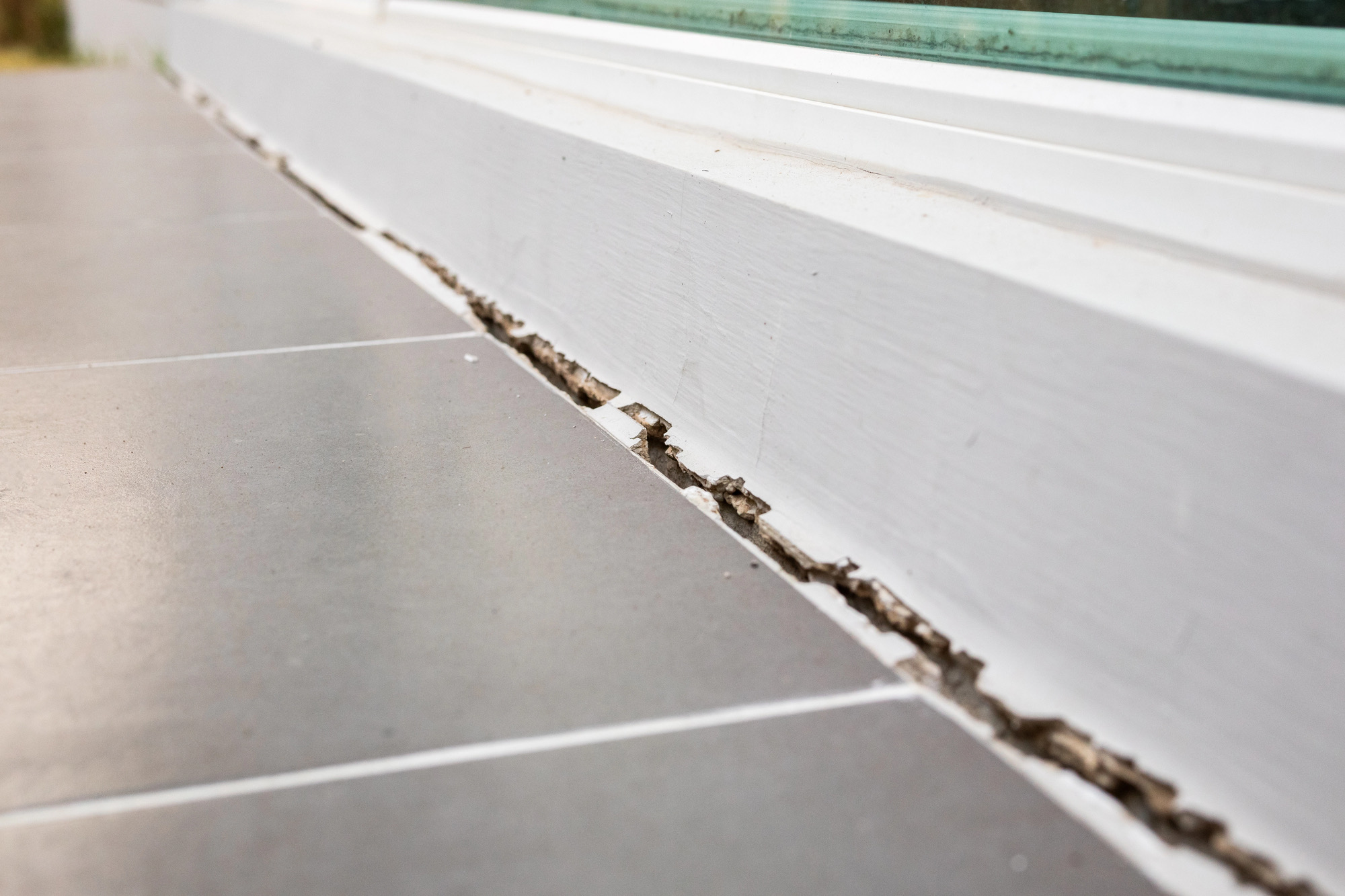
- Gaps Around Windows and Doors: Conversely, soil movement can also result in walls moving unevenly or just apart, leaving you with noticeable gaps above or around windows and door frames.
- Floors That Do Not Feel Level: If you notice sloping or uneven floors that feel “dished,” it might reflect foundation settlement, upheaval, or movement in the structural supports, such as concrete footings or piles.
- Cracked Tile Floors: If you have tiles instead of boards, then cracked tiles can be the first warning sign of foundation issues before any sloping or unevenness becomes noticeable.
- Ceiling and Trim Gaps: New gaps at crown molding or where ceilings meet walls can signal structural movement. This is particularly concerning if other symptoms, like wall fissures or sloping floors, appear nearby.
- Basement or Crawl Space Issues: In basements or pier-and-beam foundations with crawl spaces, look for signs of moisture, mold growth, or water damage, as these can exacerbate foundational problems. Water infiltration might indicate poor drainage, needing solutions like a French drain system or improved gutter management.
Monitoring the width of cracks and observing how they evolve over months is more beneficial for understanding potential foundation problems than a single examination. While these observations can be helpful for initial analysis, consult a professional specialist or a structural engineer for a thorough inspection and a detailed engineer's report if you notice serious changes.
Exterior and Yard Clues: Foundation, Masonry, Siding, and Grading
The exterior of your home provides crucial insight into potential foundation issues, often manifesting in brick, siding, and soil before any changes are noticed inside. A thorough walk around the home during both wet and dry conditions can help identify issues that may be developing.
Key Areas to Monitor:
- Exterior Wall Crack Patterns: While small isolated cracks can have various causes, stair-step cracks or diagonal lines along mortar joints should be closely monitored as they could signify structural integrity issues, especially when they grow or are accompanied by other symptoms.
- Gaps and Separations: Openings where the brick meets trim, siding detaches from corner boards, or chimneys pulling away can indicate foundation movement or settlement.
- Soil and Drainage: Observing soil pulling away from a slab foundation during dry spells or ponding near the basement after rain can highlight uneven moisture levels or water intrusion around your home. Such conditions may necessitate drainage solutions like a French drain system or improved gutter management to prevent further foundation and soil issues.
- Concrete Flatwork: Driveways, walks, and patios that slope toward the concrete slab foundation or develop abrupt "lips" may indicate shifting soil conditions. This could imply the need for concrete support solutions such as piering or structural epoxy injection.
- Retaining Walls and Fences: Leaning or bowing walls and fences can signal ground movement in the yard, highlighting the need for a comprehensive inspection of conditions surrounding the home.
The observations made outside should be considered in conjunction with any interior signs such as drywall cracks, sticking windows or doors, and uneven floors. When both exterior and interior symptoms align in specific areas, the concern often escalates from mere cosmetic issues to potential structural problems, for which consulting a professional specialist or a structural engineer for an engineer's report is advisable.
What Is Normal Settling Versus a Foundation Problem?
Some movement and minor cracking are normal as homes age, especially in newer construction, as materials dry and settle. Fine vertical hairline cracks in drywall or grout may stabilize and stop changing.
In an older home, small cosmetic flaws that have remained unchanged for years are often part of the house’s history, not an emergency.
What changes the picture is progression.
A symptom deserves more attention when it keeps changing instead of staying stable, returns after cosmetic repair, or begins appearing alongside other changes in the same part of the house.

From Cosmetic to Structural: When Early Signs Change the Risk
Risk shifts from cosmetic to potentially structural when small flaws start to move, multiply, or line up in ways that match how your home carries weight.
A single hairline crack over a doorway may be cosmetic, but if that crack widens while nearby doors start sticking and the floor begins to slope, you are looking at a different level of concern.
You are watching for change over time, clusters in one area, and how those signs relate to known soil and moisture foundation issues.
As a rough guideline, consider stepping up from “just watch it” to “get an opinion” if you notice:
- Cracks that keep widening, lengthening, or reopening after patching
- Several doors or windows in one area going noticeably out of square
- Floors where you can feel or even see a new slope without trying hard
Context matters.
Expansive adobe clay, large trees close to the slab, previous plumbing leaks, and poor drainage can all increase the chances that subtle signs will progress. If foundation movement progresses far enough to affect framing, finishes, or under-slab systems, the scope and complexity of repairs can increase.
Above All Foundation Repair can help with that first opinion by reviewing the symptoms on-site and explaining whether continued monitoring or further action makes sense. That context is especially important if you are preparing to sell or evaluating a property purchase.
How Fast Do Early Foundation Problems Usually Progress?
Once you notice the first signs, the natural question is how much time you really have.
In Texas heavy clay soils, there is rarely a precise clock, but the combination of expansive adobe clay and strong weather swings means movement tends to show in cycles rather than smooth, slow motion.
That is why some seasons feel “quiet,” and others seem to bring on sudden change, and in many homes, minor cosmetic signs may hold steady for years, especially if drainage and watering are consistent.
Problems can pick up speed when conditions change:
- New trees or irrigation
- Added concrete
- Damaged plumbing lines
- Drainage issues
- A long drought followed by intense rain
When those changes stack on top of existing foundation movement, the same hairline crack that sat still for years can start widening over a shorter period.
The safest mindset is to treat early signs as something to track, not panic over.
If you see a noticeable change after a major weather pattern or plumbing issue, that is a strong reason to get a professional opinion sooner rather than later.
Simple At-Home Checks and a Monitoring Framework for Texans
A simple seasonal routine of notes and photos can turn vague concerns into a clear record of what is changing over time. Instead of relying on memory, you can compare real dates and images.
Consider building a simple monitoring habit:
- Seasonal walk-through: Sketch your home, mark where you see potential foundation cracks, and jot down rough widths and dates. Take new photos of the same spots every few months.
- Door and window log: Note when they start or stop sticking and what the weather has been like. You are looking for repeated issues in the same area.
- Outside checks: During both dry spells and after big storms, look for soil pull-away, ponding water, gutter or downspout discharge too close to the slab, and irrigation overspray.
- Central record: Keep your notes and photos together, on paper or digitally, so you and any professional you call later can see trends over time.
Homeowners who do this often arrive at an inspection with a clear timeline instead of a vague feeling that “things seem worse,” which can help a professional better understand where and when changes have occurred.
Monitor or Call a Pro? Decision Guide for Homeowners, Buyers, and Property Owners
The decision usually comes down to two things: whether the signs are changing and whether several symptoms are developing together. Minor or stable signs may only need monitoring, while progressing or clustered symptoms are stronger reasons to get the opinion of a foundation expert or structural engineer.
A simple way to think about what you are seeing is to separate the signs into two practical responses:
Monitor and Watch for Change
Minor or isolated signs that stay stable over time may only need monitoring. Pay closer attention when several small changes begin developing in the same part of the house, even if they are not clearly getting worse.
- A single, fine vertical hairline crack that does not change
- One door that occasionally sticks without other nearby symptoms
- Several small cracks are appearing in one area, but the area remains stable
- A door or window is beginning to rub or stick occasionally
- Minor floor changes that seem new but are not clearly progressing
- Symptoms that change noticeably between wet and dry seasons
Note what you see, take photos, and keep a simple record of dates and changes. The goal is to determine whether the signs stay stable, follow a seasonal pattern, or begin progressing.
Call a Pro
Multiple symptoms developing together, or signs that are clearly getting worse, are stronger reasons to schedule a professional foundation evaluation.
- Widening or lengthening cracks
- Several stuck doors or windows in the same area
- A floor that develops a noticeable slope or uneven area
- Rapid or noticeable changes over weeks or months
- Symptoms that continue to worsen after drainage or moisture-management practices have been improved
From there, decide who you need. A foundation repair contractor can evaluate the problem and discuss repair options if needed, while a structural engineer can provide an independent evaluation and written findings when appropriate.
If you are unsure which response fits what you are seeing, getting an opinion does not mean committing to a repair. Above All Foundation Repair takes an inspection-first approach: understand what is changing, explain what the signs may mean, and recommend repair only when the condition of the foundation supports it.
Making a Confident Call When You See Early Signs of Foundation Problems
When you start noticing small cracks, sticking doors, or changes in your floors, what you really want is a clear, grounded answer on whether you are seeing normal aging or the start of a foundation problem. The more you understand how Texas soils behave, what patterns matter, and how to track changes over time, the easier it is to act calmly instead of reacting out of worry.
If you would like a professional opinion to go along with your own notes and photos, Above All Foundation Repair offers free foundation estimates in the San Antonio and Austin areas.
A careful walk-through, measurements where appropriate, and a straightforward explanation of what the signs may mean can help you decide whether it is time to plan repairs or simply keep monitoring with confidence.