
Why Are the Doors in My House Sticking?
You notice it one morning when you’re rushing out the door: a handle that fights you, a door that used to glide out of its frame now scraping or refusing to latch. A week later, another door starts doing the same thing, and the question creeps in: Is this just humidity, or is something serious happening to your house?
Sticking doors can come from simple causes like moisture damage, paint buildup, loose hinges, or tired hinge screws.
But they can also be one of the first everyday signs that your foundation is starting to move. Knowing the difference affects your peace of mind, your repair budget, and, over time, your home’s safety and value.
This guide is general education, not a substitute for an on-site inspection; however, it will help you understand what a sticking door is really telling you, how to separate simple door problems from structural movement, what you can check yourself, and when it’s time to bring in a foundation specialist.
What Everyday Issues Make Interior Doors Stick?
In many Texas homes, a sticking door can often be attributed to components like hinge pins, latches, hardware, or fluctuating humidity levels rather than significant foundation movement.
This is good news for homeowners, as these issues are usually quicker and cheaper to fix and rarely threaten the structure itself.
For these issues, you are dealing with the door and hardware, not necessarily a movement in the home’s structure. You generally observe a tight spot in one small area while the gaps around the rest of the door and its frame still look fairly even. Nearby floors and walls often remain unchanged.
Common Non-Structural Causes Include:
- Loose Hinge Screws: Door hinges might pull away, causing the door to sag and scrape.
- Uneven Hinge Installation: Hinges set too deep or unevenly can cause the door to tilt in the frame and bind on one edge.
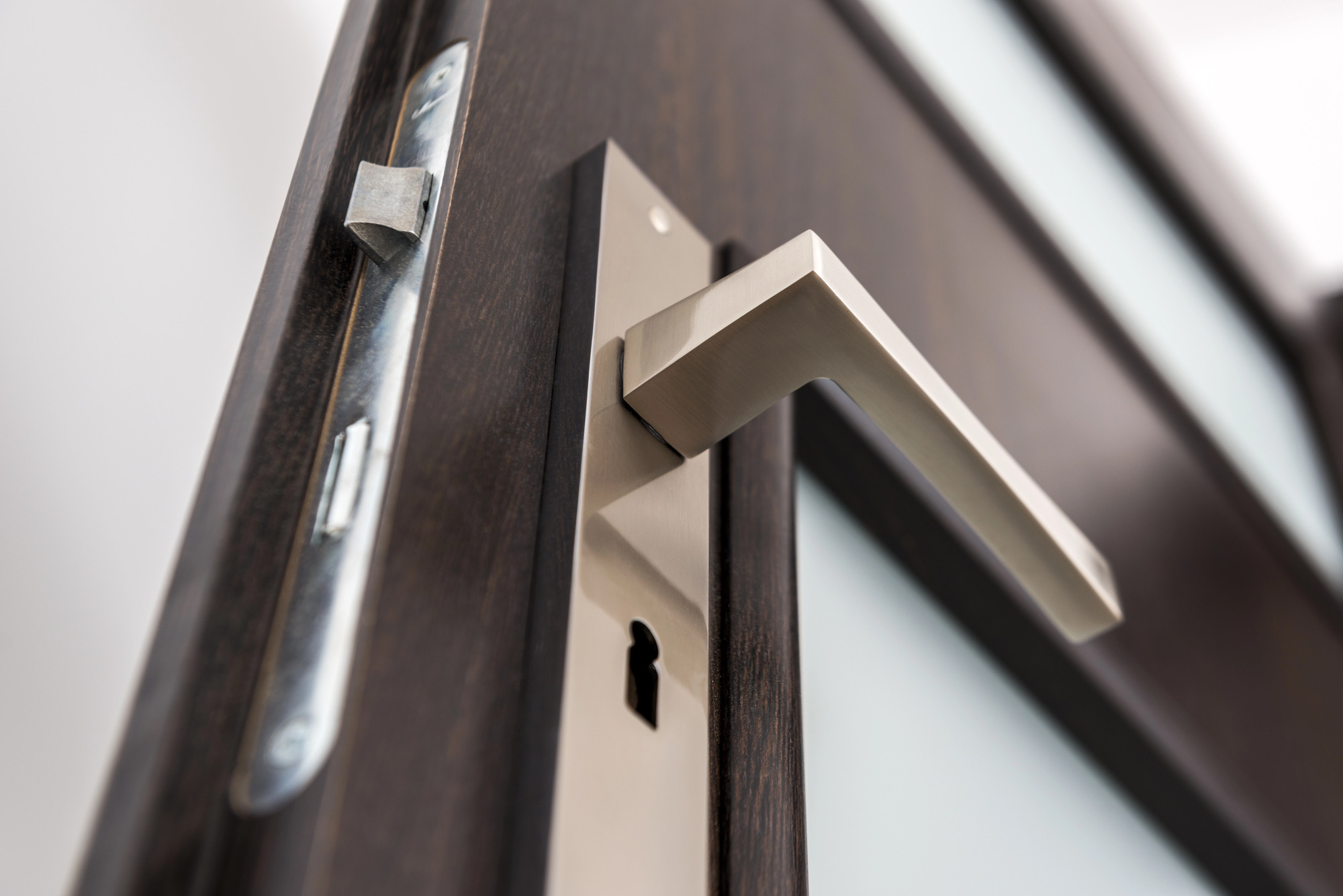
- Latch and Strike Plate Misalignment: The latch may hit too high, too low, or too shallow and fail to catch the latch bolt.
- Built-up Paint on the Edges: Layers of paint can make the door slightly too wide for the opening.
- Overly Thick Weatherstripping or Thresholds: Added material around the frame or the door might make it feel tight or spongy when closed.
Low-Cost, Low-Disruption Steps Often Include:
- Tightening or Replacing Loose Hinge Screws: Ensure hinges are fully secured to prevent sagging.
- Swapping Stripped Screws for Longer Ones: Use screws that bite into fresh wood for a secure hold.
- Adjusting the Strike Plate: A small shift may correct misalignment.
- Trimming or Replacing Problematic Weatherstripping: A snug fit without excess bulk ensures smooth operation.
- Lightly Planing and Repainting Rub Spots: Sandpaper, chisel, or a block plane can trim problem edges on the door.
If a simple hardware adjustment or a minor repair like light planing restores smooth operation, and there are no other signs of structural movement, you are likely dealing with a small-scale, handyman project rather than a serious structural concern.
However, if a door keeps drifting back out of alignment after repairs, it may indicate a structural issue that warrants closer inspection.
How Humidity and Texas Weather Make Doors Stick
Texas weather is tough on wood due to its extreme humidity levels and fluctuating seasonal changes. Even with perfectly installed hinges and a solid foundation, doors can swell and stick when the air becomes moisture-laden.
Seasonal Expansion and Shrinking or Between Rooms
Wood naturally absorbs and releases moisture, and during long stretches of rain or high summer humidity, interior doors and door frames can swell enough to cause sticking.
Conversely, in the drier winter air or after prolonged drought, the same doors often shrink back, feeling “normal” again.
If you observe that a door sticks mainly during the humid weeks and then operates smoothly during the rest of the year, it likely indicates seasonal humidity swelling rather than structural or foundation issues.
This swelling phenomenon is particularly noticeable in rooms with high moisture levels, such as bathrooms, kitchens, and laundry areas.
Solutions to Humidity Swelling Year-Round
Using exhaust fans, adequate air conditioning, and general ventilation not only enhances home comfort but also helps in identifying whether a door sticking is due to weather-related swelling or potential issues from your crawl space or slab.
Emphasizing proper ventilation and humidity control, perhaps through dehumidifiers or seasonal adjustments, can reduce the overall impact of the weather on your doors and hardware.
Additionally, keeping an eye on door edge conditions, such as paint buildup or loose screws, can help in differentiating between weather-induced issues and other types of door misalignment.
If needed, simple corrective actions like sanding, shimming, or using a block plane can quickly rectify weather-induced sticking.
When a Sticking Door Points to Foundation Problems
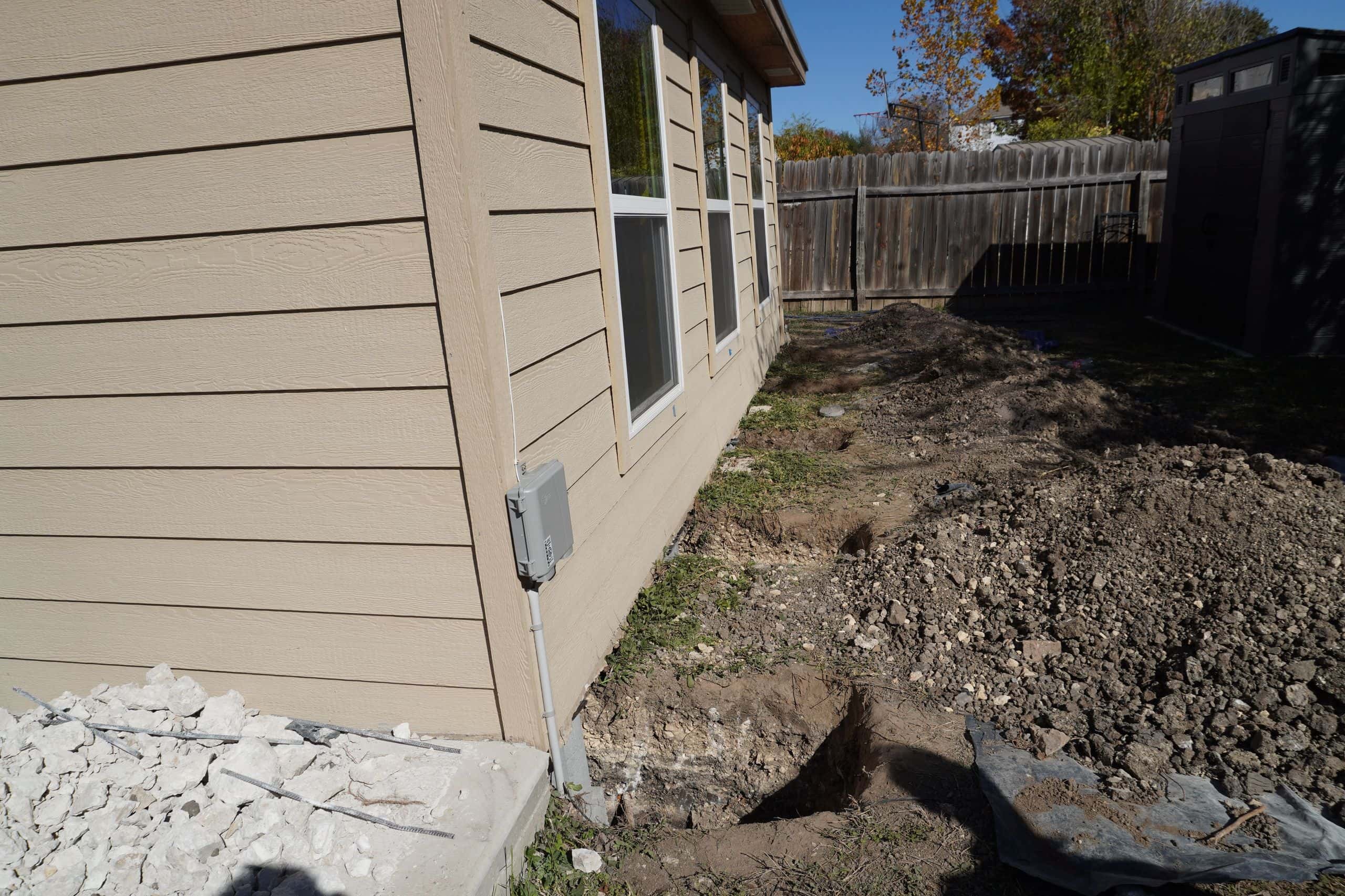
In much of Texas, expansive clay soils shrink during dry spells and swell after heavy rain.
That soil movement can lift or drop parts of a slab or pier-and-beam system just enough to twist the framing above.
Those are the conditions that result in sticking or stuck doors (and windows).
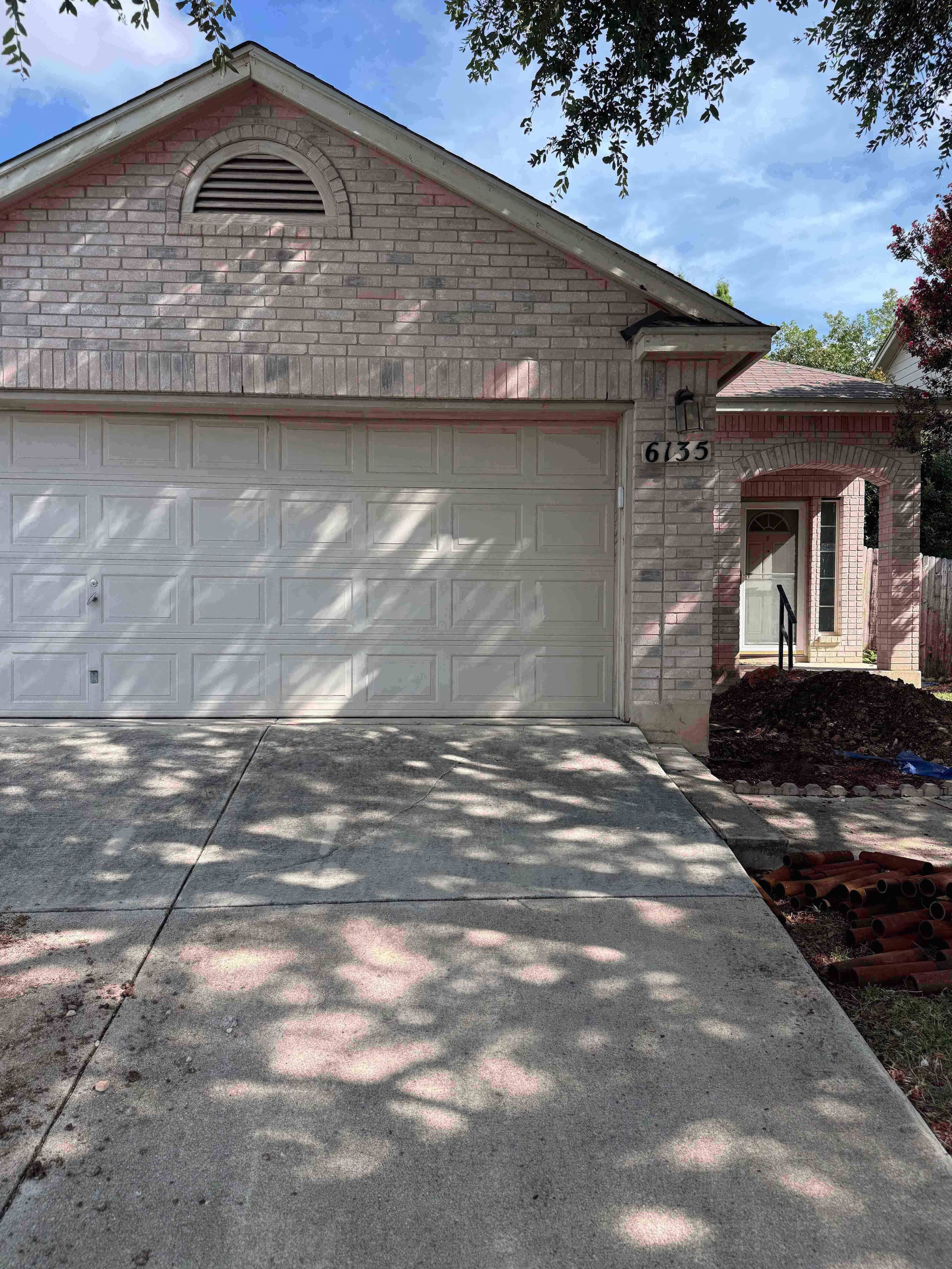
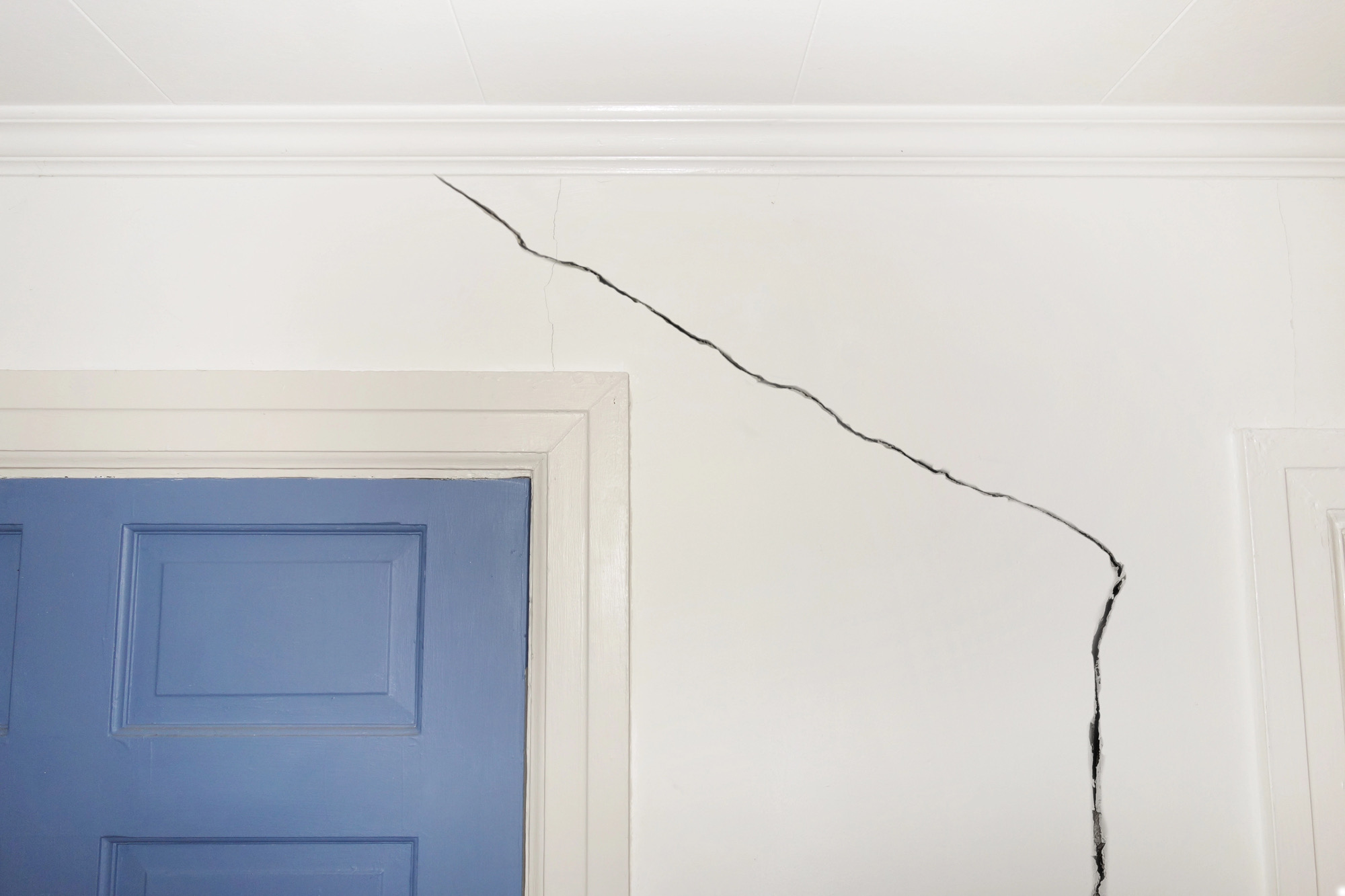
If several changes all show up together, from multiple doors out of line to fresh diagonal cracks at the corners of door and window openings, and floors that no longer feel quite level, it’s smart to treat that as a potential structural red flag.
Only an on-site inspection can confirm what your foundation is actually doing, but your doors are often among the first clues.
That distinction matters to Above All Foundation Repair because the goal of a foundation inspection should be to understand what the structure is doing before recommending what, if anything, needs to be repaired.
Red-Flag Patterns You Shouldn’t Ignore Around Sticking Doors
One sticky door by itself is usually something to watch, not something to panic over. What should make you pause is a combination of doors, cracks, and floor changes that all show up in the same parts of the house, especially after very wet or very dry periods.
The more clues you see lining up in one direction, the more reason there is to consider real movement instead of harmless quirks. Timing matters too. Long-standing hairline cracks that have not changed in years live in a different category than new cracks that appeared around the same time a door suddenly became stubborn.
Pay close attention if you see patterns like:
- Several interior doors are misbehaving: Especially along one wall or one side of the house.
- New or growing diagonal cracks: At the corners of exterior doors and windows.
- Floors that feel different underfoot: Noticeable slope, dips, or soft spots where things used to feel solid.
- Exterior changes: Fresh stair-step cracks in brick, gaps opening in siding, or porches and steps pulling away.
You can group most situations into three buckets:
- Mostly cosmetic: One door sticks now and then, no new cracks, floors feel normal.
- Worth watching: One or two doors and small cracks that don’t seem to grow over several months.
- Time for an inspection: Several doors, fresh diagonal cracks, and floors that clearly don’t feel the way they used to a year ago.
If your home looks more like that third bucket than the first, it’s better to get a professional opinion than to keep wondering what the structure is doing out of sight.
That pattern-based approach is also how Above All Foundation Repair evaluates foundation concerns: not by treating one sticking door as proof of a problem, but by looking at how the doors, cracks, floors, and other signs fit together across the home.
Where Is the Door Sticking?
Where and how a door binds can give you useful clues about what to investigate first. It does not diagnose a foundation problem by itself, but it can help you decide whether to start with the door and hardware or look for a broader pattern around the home.
| What You Notice | What to Investigate First |
|---|---|
| Door rubbing near the hinge side | Sagging, misaligned, or loose hinges |
| Latch no longer meets the strike plate | Hardware alignment, frame movement, or both |
| Swelled or warped doors mainly during humid periods | Moisture-related expansion |
| Top or bottom gap becomes noticeably uneven | The frame may be moving out of square |
| Several doors change in the same part of the house | Look for broader structural or soil-related movement patterns |
The important point is that a sticking door is a clue, not a diagnosis. What is happening around that door helps tell you how much weight to give it.
A few additional, simple checks can help you tell whether the problem is likely local to the door or part of a broader structural pattern.
- Inspect the hardware: Tighten hinge screws and check how the latch meets the strike plate. If a small adjustment fixes the problem, the cause is likely mechanical.
- Check for nearby floor slope: A carpenter’s level can help you spot an obvious change in slope, though professional elevation measurements are more useful for evaluating foundation movement.
Treat these checks as information-gathering, not a substitute for an inspection.
How to Monitor Doors, Cracks, and Floors Over Time
Homeowners can gain the best understanding of their house’s condition by observing it before sudden repairs become necessary. Keeping a movement log with notes and photos, either in a notebook or a digital folder, helps determine whether things remain stable, are gradually shifting, or are changing rapidly.
Make sure to focus on:
- Doors: Note which ones are sticking; examine the pins, hinges, and door frame for loose hardware or misalignment; and observe whether the sticking changes with humidity or seasonal fluctuations.
- Cracks: Identify where they appear, how long they’ve been present, and check if they grow or multiply. Pay attention to cracking around internal walls and foundations.
- Floors: Identify any spots that feel uneven or have a different elevation, potentially requiring a spirit level for assessment, especially over a period of six to twelve months.
Walk through your home at least once or twice a year, and make a thorough check after significant weather conditions such as a prolonged drought or heavy rainfall.
If your log reflects ongoing change over six to twelve months that goes beyond minor seasonal adjustments, it's time to transition from merely “watching” to arranging a professional inspection. This proactive approach can prevent severe damage and expensive repairs.
What to Expect From a Professional Foundation Inspection
Knowing what a good inspection looks like makes it easier to reach out without feeling like you’re stepping into a sales trap.
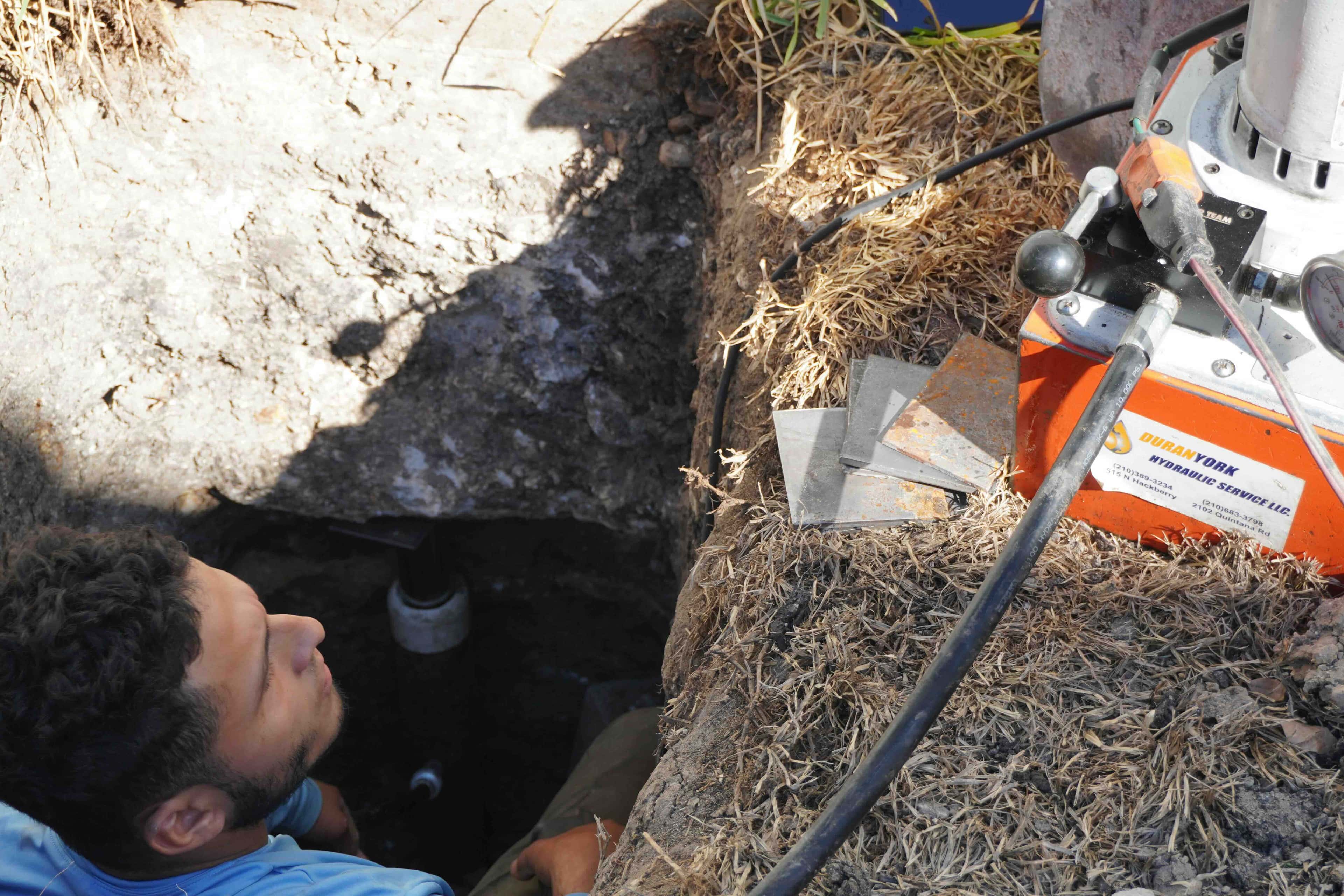
For sticking doors, a solid foundation visit should include a calm conversation about what you’ve seen, a walk-through of the doors and cracks you’ve noticed, and a broader look at the rest of the structure. An assessment may also include measurements or elevation checks to help determine whether the symptoms you’re seeing line up with structural movement.
From there, you should get a plain-English explanation of whether your house is mostly experiencing normal seasonal house movement, early movement worth monitoring, or house settling that’s far enough along to justify repairs. A thoughtful inspector should also talk through the next steps, what a recommended repair may involve, and whether monitoring may be more appropriate than immediate work.
That inspection-first approach is central to how Above All Foundation Repair works:
- Diagnose the cause.
- Explain what the findings mean.
- Match any recommendation to the foundation type, soil conditions, and actual movement taking place.
If your sticking doors have become part of a larger pattern, that gives the Above All team a useful starting point, but not a predetermined answer. The inspection is what connects those symptoms to what is actually happening beneath the home.
When the Doors in Your House Keep Sticking, Above All Helps You Find Out Why
Living with doors that drag, won’t latch, or keep getting worse on one side of the house is frustrating, but it’s also your structure giving you information. Once you understand the difference between a single fussy door, a humidity-driven quirk, and that “several doors plus cracks and slope” pattern, you can move from guessing to making informed decisions.
That is where Above All Foundation Repair’s inspection-first approach matters. With more than 40 years of foundation repair industry experience, the team looks at the full picture (doors, cracks, floors, foundation type, soil conditions, and movement patterns) before recommending what comes next.
If your doors keep sticking and the pattern is becoming harder to dismiss, request a free foundation estimate and let Above All Foundation Repair help you determine whether you’re looking at something to monitor, a local issue, or foundation movement that needs a repair plan.